Healthy Lifestyle for Gen Z, Screen Time Effects; Gen Z is the generation that includes people born between the 1990s and 2010s. The always-online, always-connected Gen Z is reaching new heights today, but also facing serious health challenges. Increasingly (…)
Healthy Lifestyle for Gen Z, Screen Time Effects; Gen Z is the generation that includes people born between the 1990s and 2010s. The always-online, always-connected Gen Z today is reaching new heights, but also facing a number of serious health challenges. From increasing obesity, lack of sleep and drug addiction to mental health issues like stress, anxiety and depression, today’s youth are facing challenges that affect both their bodies and minds. Let’s understand how these challenges are affecting young people’s lives and why staying healthy is so important.
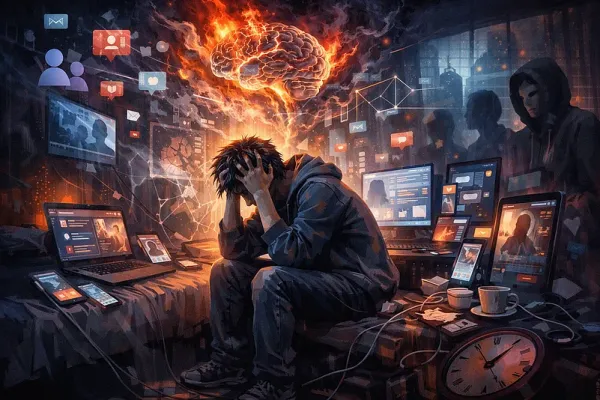
Gen Z today faces more mental health issues like stress, anxiety and depression than ever before. Due to the increasing competition and high expectations, the youth are always under pressure to perform well. The youth spend hours looking at the seemingly perfect lives of others and often start comparing themselves with them. This can lead to low self-confidence, increased anxiety and feelings of depression. Fear of missing out (FOMO) and the pressure to live up to people’s expectations also add to the stress.


Mental health disorders are divided into different categories based on their symptoms and thought patterns. Anxiety disorders involve constant fear, worry, or panic. Mood disorders affect long-term emotions, such as depression or bipolar disorder. A person may lose touch with reality in psychotic disorders, such as schizophrenia. Personality disorders are long-term patterns of unhealthy thinking and behavior that affect daily life. Eating disorders are serious problems to body image and eating. Obsessive-compulsive disorder (OCD) involves recurrent unwanted thoughts and repetitive actions. Trauma and Stress- Disorders develop after a traumatic or traumatic event, such as PTSD.

Gen Z faces real challenges today, but the good news is that there are simple ways to improve mental well-being. That is why it is so important to talk about mental health openly because it is as important as physical health, and schools, colleges and workplaces should create an environment where everyone can share their thoughts without fear. It is also important to seek help when needed as timely help through therapy and online counseling can prevent major problems. It is also important to balance digital and real life, as too much screen time can increase stress, so it is beneficial to spend some time offline and engage in positive activities. Small daily habits like exercise, good sleep, meditation, writing and pursuing hobbies also help to keep the mind calm and happy. It is also important to be a support to others—to listen to friends, to offer good news and support without judgment, and to encourage professional help if someone is seriously struggling. All these small changes can add up to a big step towards a healthier and happier life for Gen Z.

Ultimately, Generation Z faces many physical and mental challenges today, but these challenges are not insurmountable. If we make small positive changes in our daily life, we can significantly improve our health. Talking openly, getting help, living a balanced life and taking care of yourself all lead to a healthy and happy future.
….Criticism & Preetydas