With the 2026 World Cup just around the corner, excitement is reaching fever pitch as 48 teams from across the globe prepare to compete in the United States, Mexico, and Canada. Managers are finalising their selections ahead of the opening group fixtures, but several national sides still face crucial decisions that could define their campaigns.
Some of the tournament favourites boast remarkable depth in key positions, making it a real challenge to determine who should start and who might be better utilised from the bench. These choices are creating intense debates among managers, pundits, and fans alike.
Supporters around the world are also deeply invested, hoping their national teams can make it all the way to the grand finale in New Jersey on July 19.
So, what are the biggest selection dilemmas as the tournament kicks off on June 11? Here’s a closer look at six of the most intriguing discussions taking place ahead of the world’s biggest football showpiece.
England: Bellingham vs Rogers
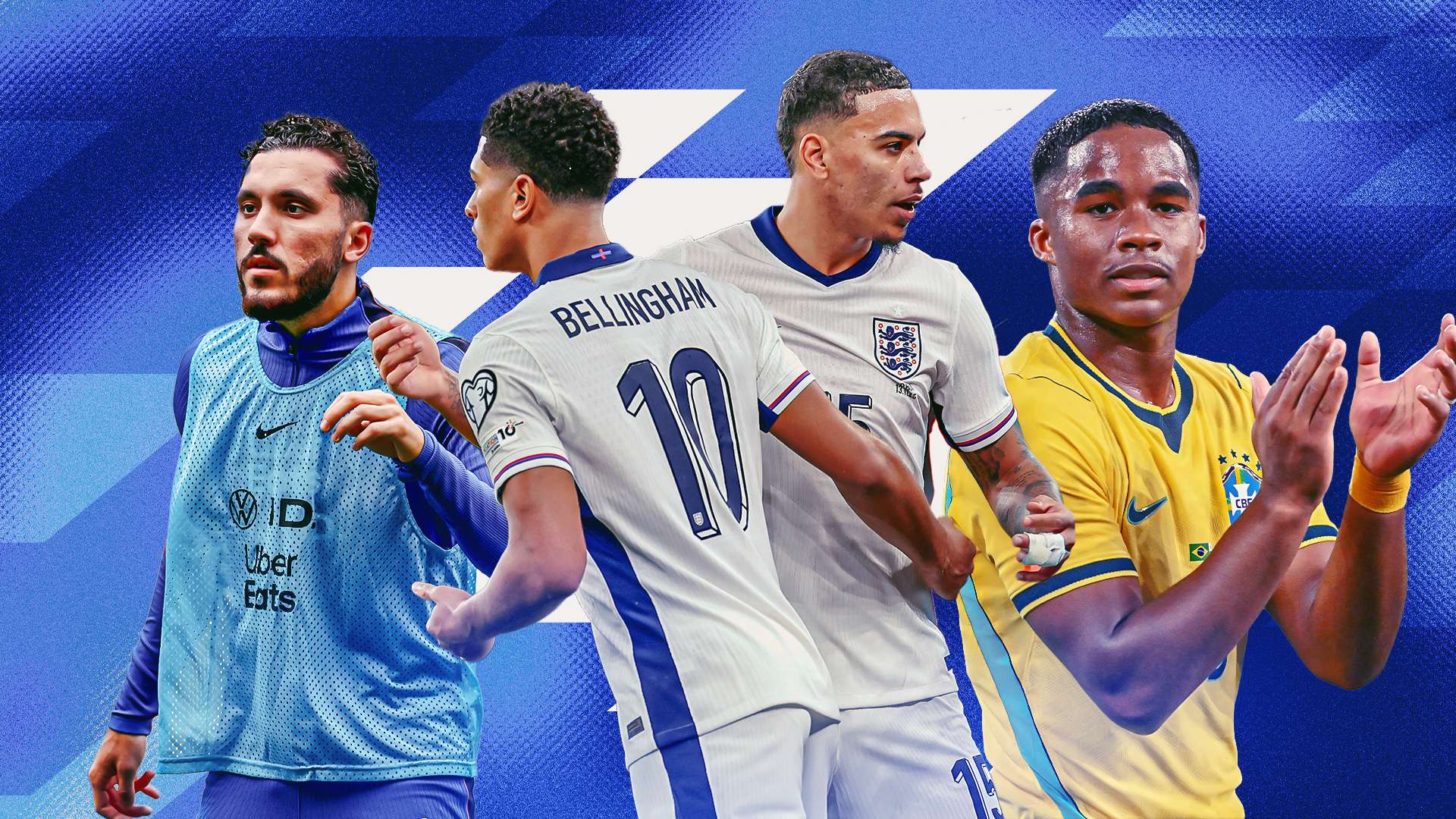
Thomas Tuchel faces several important calls before England take on Croatia in their Group L opener. The most fascinating of these is the battle between Jude Bellingham and Morgan Rogers for the advanced midfield role behind Harry Kane.
Bellingham remains one of England’s most recognisable stars alongside Kane, but after a mixed season at Real Madrid and speculation about his rapport with Tuchel, the 22-year-old could find himself starting the campaign on the bench.
Tuchel may instead turn to Rogers, pairing him with Declan Rice and Elliot Anderson in midfield. The Aston Villa playmaker enjoyed an outstanding season, scoring 14 goals—many of them from distance—and adding 11 assists as Villa lifted the Europa League trophy.
Rogers impressed during qualifiers when Bellingham was sidelined with a shoulder injury, and since both players returned to full fitness, they’ve each started one of England’s last two games. Bellingham’s display against New Zealand caught the eye as Tuchel rotated his squad to build match fitness, and the upcoming friendly against Costa Rica is expected to give further insight into the manager’s preference.
Spain: Who will be the No.1?
Spain’s goalkeeping debate appears settled in the eyes of head coach Luis de la Fuente. While Premier League fans may wonder why Arsenal’s David Raya isn’t the automatic starter, Unai Simon has long been Spain’s first-choice goalkeeper since Euro 2020 and is expected to retain his place in North America.
Raya, despite claiming three consecutive Premier League Golden Gloves and keeping 28 clean sheets in 51 appearances last season, has featured just once for Spain since November 2024—a friendly against Egypt. Simon’s consistency and experience make him the clear favourite to start against Cape Verde.
De la Fuente defended his choice in March, stating: “It would be unfair if we didn’t value Unai Simon’s quality, class, career, and professional experience. When a goalkeeper is at this level, you have to respect his standing and his career.”
Meanwhile, Barcelona supporters had hoped Joan Garcia might get a chance after his impressive first season at Camp Nou. However, his uncertain performance in the recent draw with Iraq appears to have ended that possibility.
Brazil: The No.9 dilemma
Few positions in world football carry as much pressure as Brazil’s starting striker at a World Cup. With the Selecao’s opener against Morocco fast approaching, Carlo Ancelotti still faces questions over who will lead the line, particularly after omitting Chelsea’s Joao Pedro from the final squad.
Matheus Cunha, who has been handed the No.9 shirt and started the friendly win over Panama, is currently the frontrunner. However, the Manchester United forward has only one goal in 13 international appearances, and his adaptability to play wide or as a No.10 raises doubts about his suitability as a traditional centre-forward.
Igor Thiago, after a breakout season with Brentford where he scored 22 Premier League goals—second only to Erling Haaland—has also entered the frame. Though some question his all-round game, his finishing ability is undeniable, with two goals in his first four international outings.
Another contender is 19-year-old Endrick, once hailed as the ‘new Pele’. His limited opportunities at Real Madrid saw him fall out of favour, but a strong loan spell at Lyon and injuries to other forwards have earned him a recall. Endrick impressed in April’s win over Croatia by winning a penalty and providing an assist, before scoring his first goal in nearly two years against Egypt. Whether that’s enough to secure a starting spot remains to be seen.
Argentina: Alvarez or Lautaro – or both?
Defending champions Argentina arrive with a familiar core led by Lionel Messi, but the attack looks slightly different after Angel Di Maria’s retirement. During the previous World Cup, Julian Alvarez was the preferred striker between Messi and Di Maria, but Lautaro Martinez’s recent form has reignited competition for that central role.
Lautaro topped the scoring charts at Copa America 2024 despite starting just twice, netting 15 goals in his last 20 internationals while maintaining strong form for Inter. Alvarez, in contrast, has managed seven goals in his last 20 appearances for Argentina, and though he shone in the Champions League for Atletico Madrid, his domestic scoring form dipped after October.
Coach Lionel Scaloni seems eager to fit both into his lineup, potentially fielding Alvarez on the left, Lautaro through the middle, and Messi on the right. This formation was occasionally used during qualifying but hasn’t been tested since their 1-0 win over Peru in November 2024. The tactical concern remains whether this attacking trio could leave Argentina exposed defensively, which might reduce opportunities for Serie A standout Nico Paz.
France: Cherki’s place in Deschamps’ plan
Rayan Cherki’s confidence is undeniable. After France’s unexpected loss to Ivory Coast in a pre-World Cup friendly, the Manchester City playmaker declared, “We are not going to the World Cup as favourites, but to crush everyone.” While his words drew headlines, they also forced Didier Deschamps to clarify that his team remains grounded.
Cherki’s flair and creativity make him one of France’s most exciting prospects, but fitting him into an already stacked attack is proving tricky. Reports suggest that Deschamps plans to start Kylian Mbappe and Ousmane Dembele up front, supported by Michael Olise and Desire Doue on the wings. That leaves no room for Cherki, even in midfield, where Deschamps prioritises balance and defensive discipline.
While Cherki’s recent performances have impressed, it appears he will begin the tournament as an impact substitute, a decision that may not sit well with fans back in France.
Germany: Nagelsmann’s striking conundrum
Germany’s ongoing struggle to find a reliable No.9 remains a concern as Julian Nagelsmann aims to avoid a third consecutive group-stage exit. Arsenal’s Kai Havertz is currently leading the race, having scored and assisted in the friendly win against the United States and also netted versus Ghana in March.
Nick Woltemade, who scored four goals in six qualifiers, was once the favourite to start but saw his form dip after a positional change at Newcastle, which could relegate him to a substitute role.
The strongest challenge comes from Deniz Undav, who enjoyed a stellar season for Stuttgart with 25 goals and 14 assists in all competitions. His brace against Finland in May lifted his international tally to six goals in nine appearances, making him the most in-form striker of the trio. Whether that’s enough to unseat Havertz, whose experience in major tournaments is invaluable, remains to be seen.