“What puzzled me most was that the neighbor who called the police still greets me cheerfully every morning,” Tuan, 29, of northern Bac Giang province says.
A few weeks later, the police returned after he used a washing machine and made a phone call in the evening. Again, some neighbor had complained about the noise.
“I wondered why they did not simply come over and say something if they were bothered,” he says. “In my hometown, that is what people usually do.”
He moved to Japan five years ago under a technical intern training program. He lives in a residential complex with around 40 apartments in two buildings. By 9 p.m., many households have already gone quiet. Due to the thin walls, sounds from washing machines, vacuum cleaners, and heavy footsteps can easily be heard in neighbors’ houses.
Unlike many residential areas in Vietnam, where a certain level of everyday noise is generally accepted, maintaining quiet is a rule that many Japanese scrupulously uphold.
But instead of speaking directly to neighbors, many choose to contact building management or call the police. “Later, I realized it was their way of avoiding direct confrontation and unnecessary conflict,” Tuan says.
|
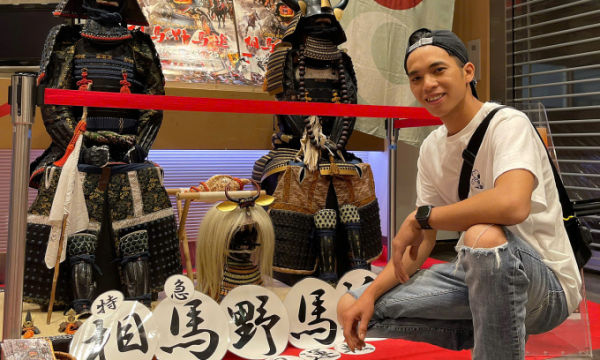
Tran Van Tien in Kasumigaura City, Ibaraki Prefecture, Japan, in 2025. Photo courtesy of Tien |
Cultural differences also affect everyday interactions for Vietnamese in Japan.
Tran Van Tien, 30, of northern Hung Yen Province, moved to Kasumigaura City in Ibaraki Prefecture in 2022, and took gifts to introduce himself to the two households living next door. They accepted the gifts, but over the next three years, they would only greet each other briefly in shared spaces.
“I thought we would interact more often after the gifts, but there were just nods of acknowledgment afterwards,” Tien says.
In Vietnam, sharing homemade food is often viewed as a gesture of goodwill, but in Japan, people are cautious about food safety or feel obligated to reciprocate with a gift of similar value.
Differences in neighborly relations are a common experience among immigrants in Japan. A 2025 survey by Tokyo-based real estate company AlbaLink found that 31.6% of foreign tenants had experienced problems with neighbors. Noise complaints were the most common issue, cited by 71.4% of respondents, followed by failure to follow garbage disposal rules at 33%.
Another 2025 survey by the country’s Housing Research Institute FLIE found that 62% of Japanese had experienced disputes with neighbors and typically reported them to authorities rather than addressing them directly.
In Vietnamese online communities in Japan, posts about dealing with neighbors, sorting waste, and handling noise complaints regularly attract hundreds or thousands of interactions.
Jiho Yoshimizu, representative of the Japan-Vietnam support organization Tomoiki, says through her work helping Vietnamese expats integrate into Japanese society, she has found many are surprised by detailed rules governing waste separation, garbage collection schedules, and noise restrictions in residential areas.
Adapting to the way neighbors interact often proves more challenging than learning the regulations, she admits.
“In Vietnam, chatting, visiting one another, and helping neighbors happen naturally. In Japan, people value privacy and maintain a distance from neighbors. Avoiding inconvenience to others is considered a sign of respect. Using a third party to communicate complaints helps avoid direct conflict.
“Being warned through a third party, such as the police, rather than receiving direct feedback can feel stressful at first.
“But the biggest challenge for foreigners is learning to understand the unspoken social rules.”
After five years in Japan, Tuan says he has become comfortable with neighbors being less involved in one another’s personal lives. Topics such as income and marriage are rarely discussed. He is particularly struck by the reluctance of Japanese people to gossip.
On one occasion, when Tuan brought up another person in casual conversation, the other person stopped the discussion. “I was told that if I badmouth another person behind their back, they can do the same to me,” he says.
Tien says: “When nobody interferes in your life, you also do not need to concern yourself with other people’s affairs. After work, people simply want time to rest.”
Yoshimizu admits Japanese communities also need to communicate information more clearly and provide support to new residents. She encourages foreigners to ask questions when they are unsure about local rules and learn more about the communities where they live.