Edited by: Wesley Rahn
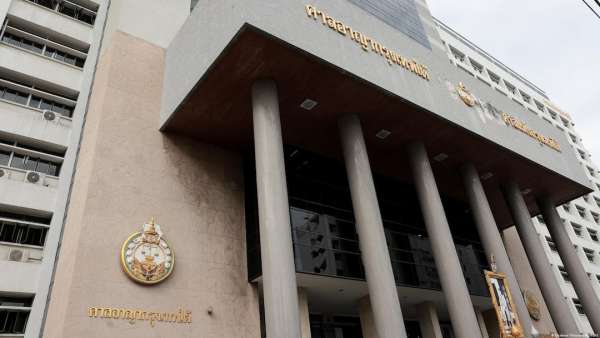
A court in Thailand sentenced two ethnic Uyghur men to death over a deadly bombing attack in Bangkok that took place over a decade ago.
The defendants, both Chinese nationals, were convicted on charges of premeditated and attempted murder for their role in planting a bomb at the popular Erawan Shrine on August 17, 2015.
The shrine is a popular spot for Chinese tourists in the heart of Bangkok. The explosion killed 20 people and injured 120.
"The defendants committed a single act that violated multiple laws. The court therefore imposed the harshest penalty available under the law, the death sentence," a member of the four-judge panel that delivered the verdict said.
They allegedly were linked by video, fingerprints and other evidence to the bombing. The two men allegedly confessed during initial questioning but pleaded not guilty when the trial began in 2016.
The two men have since denied the charges against them and will appeal the sentence within a month, one of the suspect's lawyers told the media.
"I don't accept any of this. I didn't do anything wrong," Yusufu M said after the verdict.
No group had claimed responsibility for the attack. After the bombing, police named 17 suspects, but only arrested the two men who ended up facing charges.
Thai officials said the attack was carried out by a people-smuggling gang in retaliation for a crackdown the gang's alleged trafficking of Uyghurs into Thailand.
In the month that preceded the bombing, Thailand's then ruling-junta deported over 100 Uyghurs back to China.
rights groups say the Muslim minority Uyghurs from China's northwest Xinjiang region face cultural and religious repression at the hands of Beijing. Chinese authorities deny cracking down on Uyghurs.
However, mass camps for Uyghurs have been built in Xinjiang under the guise of "vocational education and training centers" used to combat "extremism and terrorism."
The trial opened in 2016 and spanned over ten years, with delays due to problems securing translators, and later, the COVID-19 pandemic.
(Disclaimer: This report first appeared on Deutsche Welle, and has been republished on ABP Live as part of a special arrangement. Apart from the headline, no changes have been made in the report by ABP Live. for DW)