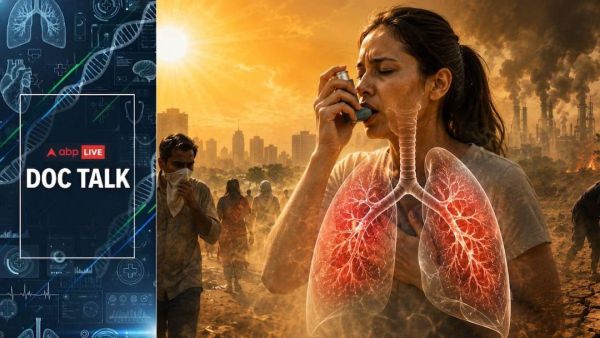
The effects of the Super El Niño will result in long periods of heat waves and an unprecedented rise in temperatures in many parts of India. Though dehydration, heat stroke, and heart ailments are generally associated with hot weather, their effects on respiratory problems are often ignored. As temperatures rise, pulmonologists have raised concerns about the effects of heat on lung function, especially among vulnerable patients.
Heat waves result in pollution of the atmosphere due to increased ground-level ozone levels. Inhalation of such air pollutants irritates the air passages, resulting in difficulty in breathing. People already suffering from respiratory problems like asthma, COPD, interstitial lung disease, and allergies become highly vulnerable in this condition.
Similarly, excessive heat is a contributing factor to dehydration. Dehydration causes the thickening of mucous secretions that line the respiratory tract. It becomes difficult for the lungs to expel irritants, allergens, and harmful substances from the lungs, thereby causing respiratory infections. Some of the symptoms experienced include difficulty breathing, wheezing, coughing, and fatigue.
Additionally, there is an increased likelihood of dust storms, wildfires, and high concentrations of particulate matter due to the occurrence of extreme heat and dry climate conditions. High concentrations of particulates in the air cause irritation to the respiratory tract, making it more difficult to breathe. Healthy people may also develop breathing difficulties when exercising under such conditions.
Patients with respiratory diseases need special attention when dealing with extreme weather. Similarly, children, elderly patients, outdoor workers, and individuals who have respiratory conditions should be considered during such weather phenomena because they cannot regulate their body temperatures effectively.
For one to ensure proper breathing through the lungs during extreme weather, it is imperative to drink a lot of water to prevent dehydration, avoid strenuous exercises when the weather is hot during afternoons, and observe the air quality advice that comes from different sources. In addition to wearing masks while in dusty areas, sufficient indoor ventilation, and proper use of inhalers is highly recommended.
With changing climates, the number of respiratory health issues that people experience during extreme weather events has increased over time. It is necessary to learn how to protect one’s respiratory health since it is one of the impacts of the super El Niño effect. Therefore, individuals must understand how changing environmental conditions pose threats to their respiratory system.