Petrol Prices Today: Petrol and diesel prices remained unchanged across India on June 15, offering motorists a rare moment of stability even as global oil markets continue to react to developments in West Asia.
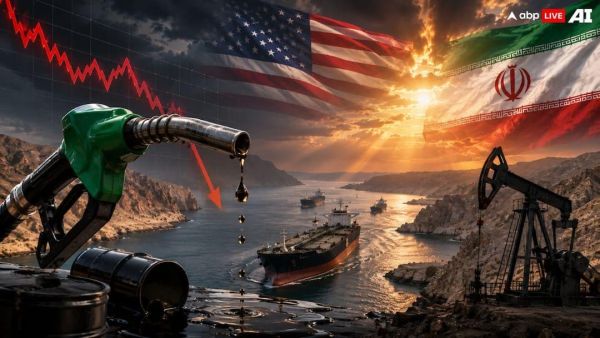
While fuel retailers have not revised pump prices since the Rs 3-per-litre increase announced in May, international crude prices are once again in focus after signs of a breakthrough between the United States and Iran triggered a sharp fall in global oil benchmarks.
For consumers, the key question remains simple: if oil prices are falling globally, could fuel become cheaper in India too?
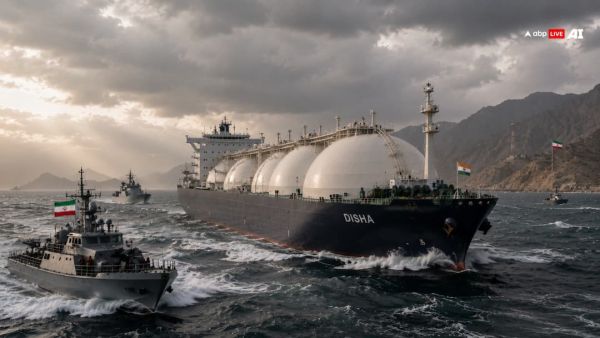
Energy markets received a boost after US President Donald Trump announced that Washington and Tehran had completed a peace agreement expected to lead to the reopening of the Strait of Hormuz.
The strategic waterway carries roughly one-fifth of the world's crude oil supplies and has remained a major source of concern for energy markets since tensions escalated in West Asia earlier this year.
Following the announcement, Brent crude fell nearly 5 per cent to around $83 per barrel, while US benchmark WTI crude dropped by more than 5 per cent to approximately $80 per barrel.
The decline marks a significant shift from recent months, when fears of supply disruptions had pushed oil prices sharply higher and increased pressure on energy-importing countries such as India.
Market participants believe the reopening of Hormuz could improve energy supply flows, reduce shipping costs and ease concerns about future disruptions.
Despite global fluctuations, domestic fuel prices have remained unchanged for nearly a month.
Petrol and diesel rates were last revised in May 2026, when oil marketing companies increased prices by Rs 3 per litre.
Since then, regular price reviews have continued, but retailers have chosen not to alter pump prices.
The decision has provided consumers with some stability at a time when international oil markets have remained highly volatile.
| City | Petrol (Rs/litre) | Diesel (Rs/litre) |
|---|---|---|
| Delhi | Rs 102.12 | Rs 95.20 |
| Mumbai | Rs 111.21 | Rs 97.83 |
| Kolkata | Rs 113.47 | Rs 99.82 |
| Chennai | Rs 107.88 | Rs 99.65 |
| Lucknow | Rs 101.86 | Rs 95.36 |
| Noida | Rs 102.12 | Rs 95.56 |
Many motorists assume that a fall in crude oil prices automatically leads to cheaper fuel at the pump.
In reality, the relationship is more complex.
Crude oil remains the biggest component in fuel pricing, but retail rates are also influenced by refining costs, transportation expenses, dealer commissions, taxes and currency movements.
India imports the majority of its crude oil requirements. As a result, fluctuations in the rupee-dollar exchange rate can significantly affect fuel costs even when global crude prices are falling.
Oil marketing companies also consider inventory costs and market conditions before deciding whether to revise retail prices.
One of the most common questions among consumers is why fuel prices vary from city to city.
The answer largely lies in taxation.
While the Centre imposes excise duty on petrol and diesel, state governments levy their own value-added tax (VAT). Since VAT rates differ across states, retail fuel prices also vary significantly.
Local transportation expenses, distribution costs and regional demand patterns can further influence pump prices.
That is why motorists in Kolkata and Mumbai often pay considerably more than consumers in Delhi or Lucknow.
As policymakers continue monitoring global energy markets, the government has also taken steps to manage domestic fuel availability.
The Centre recently prohibited industrial, commercial and institutional consumers from purchasing petrol and diesel through retail fuel stations.
Under the Motor Spirit and High Speed Diesel (Temporary Regulation of Supply through Retail Outlets) Order, 2026, bulk consumers must now source fuel through authorised bulk suppliers instead.
Officials said the move was necessary after unusually strong demand growth, particularly in diesel, led some commercial users to shift purchases to retail pumps in order to benefit from price differences.
The government believes restricting bulk purchases at retail outlets will help ensure adequate supplies for ordinary consumers.
The recent fall in oil prices has renewed speculation about whether fuel prices could eventually soften.
While there has been no official indication of a reduction, lower crude prices would reduce procurement costs for oil marketing companies and ease pressure on India's energy import bill.
A sustained decline in global oil prices could also help moderate inflation and support economic stability.
For now, however, consumers are likely to continue watching both global energy markets and developments in West Asia closely.