6 Reasons vertical gardens fail in summer and how to make yours more resilient in hot weather
ETimes June 15, 2026 06:39 PM
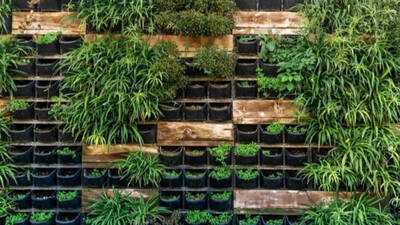 Vertical gardens allow the cultivation of plants in restricted spaces such as balconies, patios, and rooftops. Besides maximising usable garden areas, the living walls can serve both decorative purposes and cooling purposes. Yet, summer weather might significantly harm living walls and spoil the efforts of gardeners. Plants in such gardens are grown in limited amounts of soil and usually exposed to direct sunlight. It makes them very susceptible to heat. Learning about common reasons for failure will help gardeners take precautionary measures.
Soil dries out much faster than expected
One of the main problems that arises in vertical gardens during summer is fast drying of the soil. Vertical planters have less soil than conventional beds and thus dry out much quicker. The result is that plants start experiencing stress and require more care in the hot days. To protect your plants from this problem, use moisture-retentive potting media , add organic materials, and install an irrigation system.
Too much direct sunlight causes plant stress
Living walls usually require installation on the sunny side of houses, buildings, etc. Unfortunately, exposure to direct sun and hot temperatures leads to bleaching, leaf burning, and plant slowdown. When you create your living wall, choose plants that are best suited to the amount of direct sunlight received by the wall. Moreover, you can also create some kind of shade using trees and trellises.
Poor plant selection results in summer problems
Another common mistake that gardeners commit is choosing plants without considering temperature limitations. For instance, cool-season plants or moisture-loving ones might not be able to handle increased temperatures during summer months. Therefore, to create living walls that can resist heat well, specialists recommend choosing drought-tolerant and heat-resistant varieties. Succulents, native plants, herbs, and flowering plants fit well in vertical gardens exposed to heat.
Inconsistent watering leads to problems
When it comes to the structure of living walls, they have the design feature that plants at the top get drier than the lower ones due to water flowing downwards. Such unequal watering can cause dead spots within vertical gardens. To avoid this problem, monitor water distribution and adjust the process of watering accordingly. Consider installing additional watering points.
Insufficient supply of nutrients
Living walls need more fertilisation during the summertime when plant growth takes place in a rapid fashion. Also, nutrient supplies diminish quickly due to frequent watering. If your plants lack nutrients, they suffer from yellowing leaves, stunting, or poor flowering. In order to supply your plants with nutrients, apply balanced fertilisers, composted feeds, and other kinds of fertiliser suitable for plants.
Poor air circulation increases heat impact
It might seem strange, but too much density in vertical gardening leads to the absence of air circulation that is critical for plants' survival. Poor air circulation traps heat, makes plants wetter, and thus exposes them to fungal infections. Hence, when arranging your living wall, leave enough space for plants so they can breathe better.