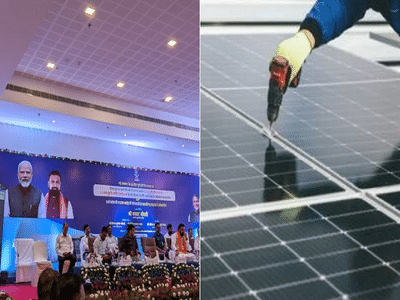
In a major push toward clean energy and affordable electricity, the Bihar government has begun implementing the PM Surya Ghar: Muft Bijli Yojana for economically weaker households across the state. The initiative aims to install rooftop solar power systems on homes belonging to Below Poverty Line (BPL) families, helping them reduce electricity expenses while promoting renewable energy adoption.
The scheme was officially launched as the state government marked 60 days in office. Officials say the program will provide free electricity benefits to thousands of low-income families and eventually cover millions of households over the next two years.
First Phase Targets 2.5 Lakh HouseholdsAccording to Bihar Deputy Chief Minister Samrat Choudhary, the first phase of the project will involve the installation of rooftop solar systems on 2.5 lakh homes belonging to Kutir Jyoti consumers.
The state government has allocated approximately ₹1,512 crore for this phase of the initiative. Once installed, the solar systems are expected to provide beneficiaries with up to 125 units of free electricity every month.
Authorities have set a target to complete solar installations in all identified households by November 20.
A Step Toward Energy IndependenceGovernment officials describe the program as part of a broader effort to improve energy access while reducing the financial burden of electricity bills on low-income families.
The initiative aligns with the national objective of increasing renewable energy generation and encouraging households to become energy self-reliant.
By generating electricity directly from rooftop solar panels, beneficiaries can reduce dependence on conventional power sources and enjoy long-term savings.
Long-Term Goal: 25 Lakh Beneficiary FamiliesWhile the first phase focuses on 2.5 lakh homes, the government's larger vision is significantly more ambitious.
Officials have announced a target of installing rooftop solar systems on approximately 25 lakh homes belonging to economically weaker families over the next two years.
If achieved, the program would become one of the largest residential solar adoption initiatives in the state.
The move is expected to:
One of the notable features of the initiative is the possibility of earning from excess electricity generation.
Officials have indicated that households producing more solar electricity than they consume may be able to supply surplus power back to the grid.
Under this arrangement:
The government has emphasized the importance of ensuring that beneficiaries receive proper compensation for any excess power generated by their systems.
Bihar's Growing Focus on Power InfrastructureDuring the launch event, state leaders highlighted Bihar's progress in expanding electricity access and improving power infrastructure over the years.
Officials noted that electricity consumption in the state has increased significantly compared to previous decades, reflecting broader access to power and rising economic activity.
The government also pointed to improvements in service delivery, including faster transformer replacement and increased investment in power infrastructure.
Benefits of Rooftop Solar SystemsFor eligible families, rooftop solar installations can offer several advantages:
Reduced Electricity BillsSolar-generated power can significantly lower monthly energy expenses.
Free Electricity BenefitsThe scheme aims to provide up to 125 units of electricity per month at no cost to beneficiaries.
Clean Energy GenerationSolar power reduces dependence on fossil fuels and contributes to environmental sustainability.
Potential Additional EarningsHouseholds may benefit from selling excess electricity generated by their systems.
Long-Term Financial ReliefSolar systems can provide years of savings after installation.
Why the Scheme MattersEnergy costs remain a major household expense for many low-income families. By combining renewable energy adoption with financial support, the PM Surya Ghar initiative seeks to improve living standards while accelerating India's transition toward sustainable energy.
For Bihar's economically weaker households, access to rooftop solar systems could provide both immediate relief from electricity expenses and long-term energy security.
Final TakeawayThe rollout of the PM Surya Ghar scheme in Bihar marks a significant step toward expanding clean energy access among low-income families. With 2.5 lakh households set to receive rooftop solar systems in the first phase and a long-term target of 25 lakh homes, the initiative has the potential to transform how millions of families meet their electricity needs.
Beyond offering up to 125 units of free electricity each month, the program could also create opportunities for beneficiaries to earn from surplus solar power, making it both an economic and environmental milestone for the state.