As thousands of students prepare for the upcoming NEET re-examination, a fresh warning has been issued against fraudulent Telegram channels claiming to provide leaked question papers in exchange for money.
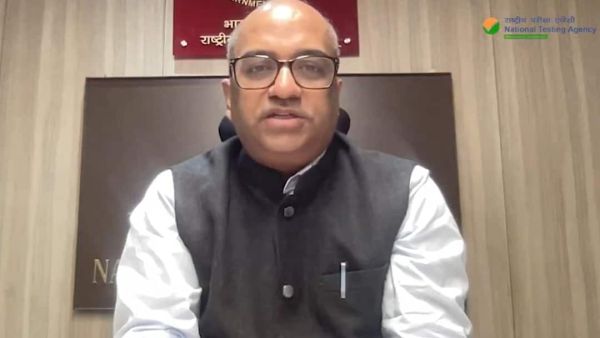
In a public message addressed to NEET candidates and their parents, IIT Madras Director V Kamakoti cautioned that scammers are running multiple rackets targeting anxious students ahead of the examination.
According to the warning, several Telegram channels have been demanding amounts ranging from Rs 14,000 to Rs 25,000, with some allegedly seeking as much as Rs 10 lakh, while falsely promising access to the NEET re-exam question paper. Officials stressed that no paper leak exists and that students who transfer money are likely to lose it without receiving any legitimate material.
The advisory further noted that personal information shared with such channels, including admit cards and WhatsApp numbers, could be misused to target other aspirants in subsequent scams.
To every NEET candidate and parent - please watch this. A few minutes that could save you serious money and stress this week.
— National Testing Agency (@NTA_Exams) June 16, 2026
Scammers on Telegram were running two rackets targeting you:
1️⃣ Channels demanding ₹14,000 to ₹25,000 - some even ₹10 lakh - claiming they'll send you… pic.twitter.com/aqpickJLAv
Another tactic identified involves videos and screenshots circulated on social media as purported proof of prior access to examination questions. The warning explained that Telegram channel administrators can edit older messages while retaining the original timestamp, creating the false impression that information was shared before the examination took place.
A detailed explanation of the manipulation technique has been shared through an online video, with authorities urging students and parents to watch and circulate the information among aspirants.
The advisory also warned that similar misinformation campaigns are likely to surface again after June 21 and urged students not to forward suspicious messages or make payments to individuals claiming to have access to examination papers.
Candidates have been advised to rely only on information published through the National Testing Agency's official website and verified social media handles.
Authorities have encouraged students to report any suspected fraud to the National Cyber Crime Helpline at 1930 or through the National Cyber Crime Reporting Portal.
Meanwhile, Prof. V. Kamakoti, Director of IIT Madras, has also released videos explaining the technical aspects of how such online manipulation and misinformation campaigns operate, aiming to help students identify and avoid scams.