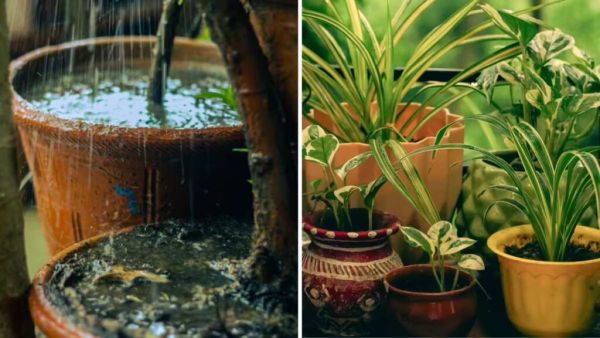
Lifestyle Desk – After the scorching heat of summer, the first rain of monsoon gives relief to everyone. The rainy season is considered very special not only for humans but also for trees and plants. During this period, plants grow faster and look more green. However, many people assume that rain water alone will fulfill all the needs of the plants, whereas the truth is that plants require some special care during the rainy season. If preparations are not made in time, problems like waterlogging in pots, rotting of roots, fungus and insect attack can harm the plants. Therefore, by taking some important steps before the onset of monsoon, you can keep your garden healthy and beautiful throughout the season. Let us know how.
The biggest problem during rainy season is accumulation of water in pots. Due to being filled with water for a long time, the roots start rotting and the plants become weak. Therefore, before monsoon, make sure that the drainage holes made at the bottom of the pots are open and excess water can drain out easily.
It is very important to prune plants before the rains start. Removing dry, yellow and diseased leaves gives the plant space for new growth. Besides, the risk of spreading fungus and infection also reduces.
Monsoon is the time of rapid growth of plants. In such a situation, adding organic manure, vermicompost or cow dung to the soil provides necessary nutrition to the plants. This makes the plants stronger and grow faster during the rainy season.
Due to increase in humidity, fungus and insects grow rapidly during rainy season. Inspect the leaves and stems of plants from time to time. If needed, use neem oil spray or natural pesticides. This will keep the plants safe and their health will be maintained.
Weeds grow very fast during the rainy season. They use the nutrients and water of the plants for themselves, which affects the growth of the main plants. Keep weeding regularly before and during the onset of monsoon.
Some plants cannot tolerate excessive rain and strong winds. It is better to keep such plants in a shed or safe place. At the same time, plants which need good sunlight and rain can be kept in open space.