New tax regime
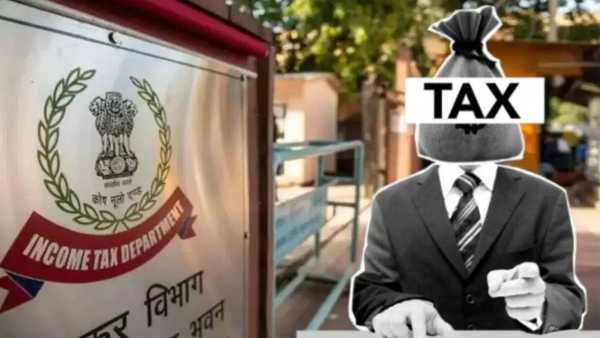
Many people believe that there is no opportunity to save tax in the new tax regime. But, it is not entirely correct. In the new tax system also, there are some exemptions, deductions and benefits given by the employer, with the help of which salaried employees can reduce their tax burden. Let us know 7 such major methods.
In the new tax system, tax exemption is available under Section 80CCD(2) on the contributions made by the employer to the National Pension System (NPS). If the employer contributes up to a total of 14% of the basic salary and dearness allowance (DA), then he is eligible for tax deduction.
This benefit is available apart from the standard deduction of Rs 75,000. For example, if an employee's basic salary and DA together is Rs 12 lakh and the employer deposits 14% i.e. Rs 1.68 lakh in NPS, then the entire amount will come under the ambit of tax exemption. However, there is no deduction in the new tax regime on NPS contributions made by the employee himself.
In the new tax regime, the employee's EPF contribution is not eligible for exemption under Section 80C. But the contribution made by the employer in EPF gives tax benefits up to the prescribed limit. However, if the total contribution by the employer to EPF, NPS and superannuation fund exceeds Rs 7.5 lakh annually, the excess amount will be taxable.
Even in the new tax system, salaried employees and pensioners get a standard deduction of Rs 75,000. There is no need to provide any bill or proof of expenditure for this.
If you have given a house on rent, then the benefit of deduction on the interest on home loan taken on it is also available in the new tax system. However, this deduction can be availed only against income from 'house property'.
Even in the new tax regime, some benefits remain tax-free, such as reimbursement of mobile and internet bills for office work, company-provided mobile phones, health and wellness programs and in some cases, meal vouchers and meal facilities. There is no tax on these facilities as per the conditions.
Expenses incurred during official travel, transfer, duty and transport allowance given to disabled employees remain tax free. Apart from this, allowance received for purchase or maintenance of uniform required during employment also comes under the ambit of exemption under prescribed conditions.
There will be no tax on gifts up to Rs 5,000 received from the employer in the financial year 2025-26. Apart from this, some gifts received through marriage, will or inheritance are also exempt from tax.
If a family member of a deceased employee is receiving family pension, then the benefit of deduction is also available in the new tax system. This deduction will be limited to one-third of the family pension or Rs 25,000 annually, whichever is less. Overall, even though many old exemptions have been abolished in the new tax regime, salaried employees can still reduce their tax liability to a great extent through proper tax planning.