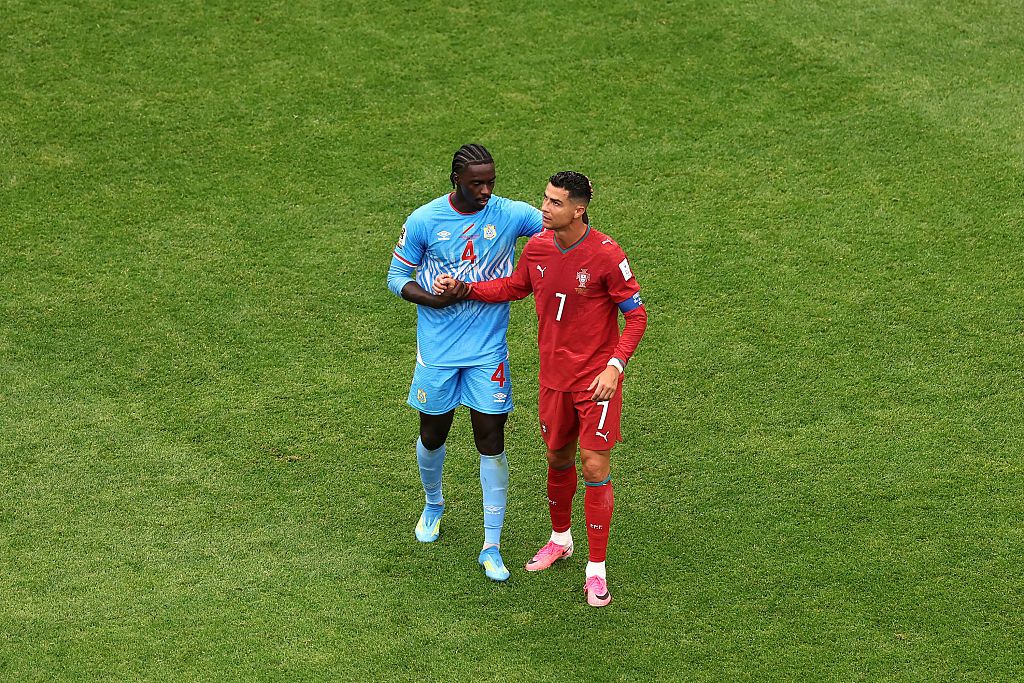
The World Cup is now in full swing, with every participating nation having completed its opening match of the tournament.
While some groups have delivered thrilling contests, others have been less inspiring — such as the three consecutive draws recorded on June 15. This raises an interesting question: what would happen if every team in a group ended up with identical points and goal difference?
Although the likelihood of such a scenario is extremely slim, FIFA does have protocols in place to handle it.
While some fans might prefer an entertaining solution like a friendly penalty shootout or a fun challenge, FIFA’s method is far more procedural and data-driven. When teams cannot be separated by total points, head-to-head results, goal difference, or total goals scored, additional tie-breakers come into play.
The first of these is fair play conduct, where teams are ranked based on their disciplinary record — yellow and red cards are tallied, and the side with the fewest bookings advances.
If teams are still level after disciplinary points are considered, FIFA then refers to the official world rankings to determine who progresses to the knockout stage.
For example, in a hypothetical Group B situation where all four teams finish with identical points, goal differences, and card counts, the FIFA world rankings would serve as the deciding factor.
That outcome would favour Switzerland, currently ranked 19th in the world, and Canada, positioned at 32nd. Qatar, who are ranked 49th, might still have a chance to advance via the third-place route, but Bosnia and Herzegovina, sitting 63rd, would likely be the unfortunate side to miss out.
This system ensures that even in the rarest of circumstances, the tournament can progress smoothly while maintaining fairness and transparency in the decision-making process.