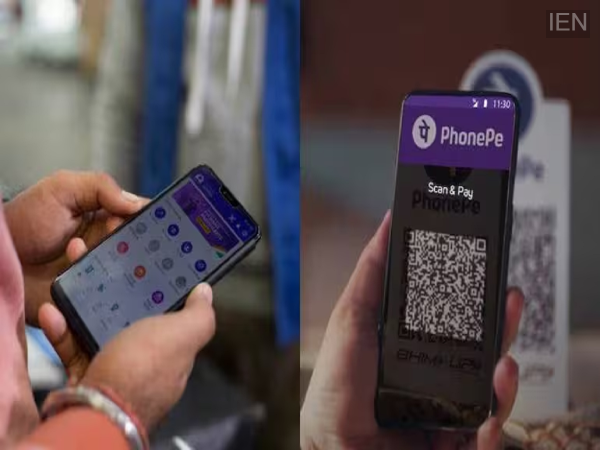
PhonePe Wallet Users Must Stay Active to Avoid New Maintenance Charges
Digital payments platform PhonePe has announced an important update to its wallet policy that could affect users who rarely use their PhonePe wallet. Under the revised rules, customers whose wallets remain inactive for an extended period may have to pay a maintenance fee to keep the wallet account operational.
The company stated that the new policy is aimed at managing dormant wallet accounts and ensuring better maintenance of inactive digital wallets. Users who rely on PhonePe for payments should review the updated guidelines carefully to avoid unexpected deductions.
According to the revised policy, a PhonePe wallet will be classified as inactive if no financial transaction is carried out through the wallet for 365 consecutive days.
Once a wallet enters the inactive category, the user may be charged an inactivity maintenance fee of ₹100 per quarter, including applicable taxes. The charge will continue to apply as long as the wallet remains inactive and contains funds eligible for deduction.
The move places greater responsibility on users to periodically utilize their PhonePe wallet if they wish to avoid additional maintenance costs.
One of the most important aspects of the new policy is that many common actions performed within the PhonePe app will not be considered wallet activity.
PhonePe has clarified that simply opening the app, logging into the account, or making payments through a linked bank account via UPI will not reset the inactivity period.
Similarly, activities such as:
UPI payments through a bank account
Mobile recharges
Utility bill payments
Credit card payments
Loan repayments
Insurance purchases
KYC submissions
Other non-wallet transactions
will not be treated as wallet usage for inactivity calculations.
As a result, users who primarily use PhonePe for UPI payments linked directly to their bank accounts may still find their wallet classified as inactive if they never use the wallet balance itself.
To maintain active status, users must perform at least one transaction directly from their PhonePe wallet balance.
This could include any eligible payment or transfer where the wallet is used as the payment source. Financial experts suggest that completing even a small wallet transaction once a year may be sufficient to prevent inactivity charges.
The company has emphasized that wallet-based transactions are the only way to reset the inactivity clock.
PhonePe has stated that customers will not be charged without prior notification.
Before deducting the inactivity maintenance fee, the company will send a notice to affected users approximately 15 days in advance. During this notification period, users can reactivate their wallet by making a qualifying transaction through the wallet balance.
If a transaction is completed within the notice window, the wallet will be marked as active again and the inactivity fee will not be charged.
This provision gives customers an opportunity to avoid deductions before they take effect.
The company has also explained the deduction process for inactive wallets.
If the wallet contains at least ₹100, the entire inactivity maintenance charge will be deducted directly from the available balance.
In cases where the wallet balance is below ₹100, PhonePe will deduct only the amount available in the wallet. The company has clarified that no negative balance will be created. Instead, the wallet balance will simply be reduced to zero.
This means users will never owe additional money beyond the funds already present in the wallet.
Industry observers note that inactivity fees are not entirely new in India's digital payments ecosystem. Several wallet providers have introduced similar policies in the past to manage dormant accounts and associated operational costs.
For example, digital payments company MobiKwik implemented wallet maintenance charges for inactive users several years ago.
The latest PhonePe policy follows a similar approach, encouraging users to actively utilize their wallet services rather than leaving balances unused for long periods.
Experts recommend that PhonePe wallet holders review their account activity and ensure they perform at least one wallet-based transaction every year. A simple payment using wallet funds can help maintain active status and eliminate the risk of quarterly maintenance charges.
As digital wallets continue to evolve, users should stay informed about policy updates and account management requirements. Regular wallet usage not only prevents inactivity fees but also ensures uninterrupted access to stored funds and wallet-based services.