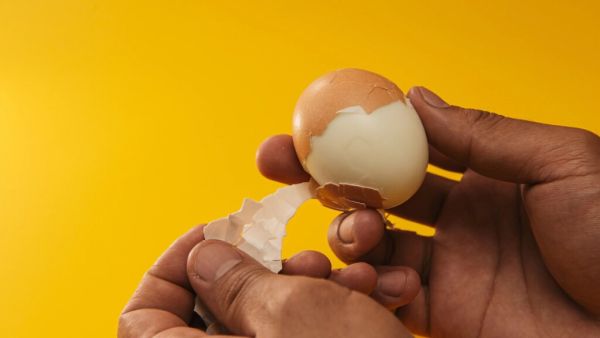
Boiled eggs are a staple in my kitchen. Whether I’m adding them to a salad, making an egg sandwich, or simply reaching for a quick protein-rich snack, there’s almost always a batch sitting in the fridge. The only part I don’t particularly enjoy is peeling them. Some eggs practically slide out of their shells, while others leave me picking away tiny fragments and accidentally tearing off chunks of the white. After one too many frustrating mornings, I decided to put some popular egg-peeling methods to the test. I tried five different techniques to see which one actually makes peeling boiled eggs easier. Here’s how it went.
This is one of the most commonly recommended tricks. Once the egg was boiled and cooled slightly, I cracked the shell all over and peeled it under a gentle stream of running water.
The water helped loosen small bits of shell and made the process smoother than usual. It also washed away tiny shell fragments that tend to stick to the egg.
It worked reasonably well, but it felt a little wasteful. Also, when the shell was particularly stubborn, the running water didn’t magically solve the problem.
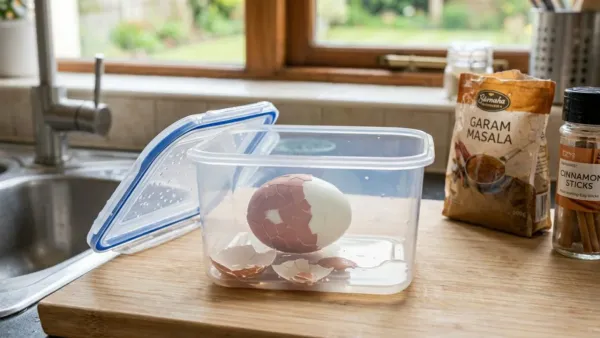
For this method, I placed a boiled egg in a small container with a little water, secured the lid, and shook it for a few seconds.
The shell developed multiple cracks almost instantly. In some cases, large sections of the shell came off with very little effort.
It felt slightly aggressive. One egg developed dents from all the shaking, and softer-boiled eggs may not survive the process intact.
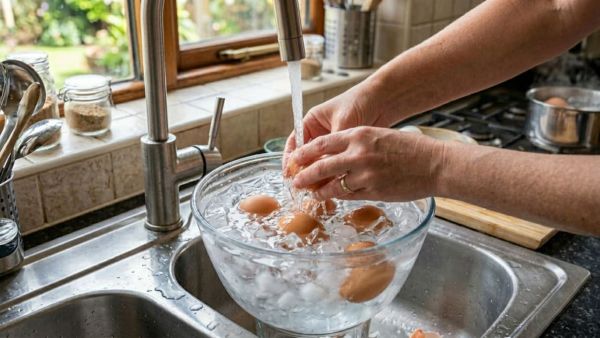
This method focuses on what happens immediately after boiling. As soon as the eggs were cooked, I transferred them to a bowl filled with ice and cold water for about 10 minutes.
The shells cracked more easily and separated from the egg white much better than usual. The eggs also cooled down quickly, making them easier to handle.
You need plenty of ice on hand. If you’re making eggs in a hurry, setting up an ice bath can feel like an extra step.
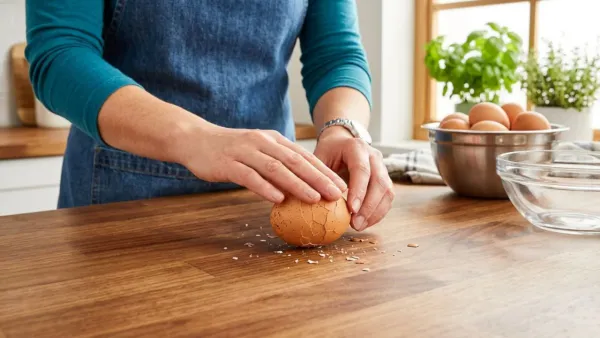
After cooling the egg, I gently rolled it on the kitchen counter while applying light pressure to crack the shell all around.
The shell loosened evenly, allowing me to peel larger sections at a time instead of dealing with tiny flakes.
It requires a little patience. Press too hard and you risk damaging the egg. Press too lightly and the shell won’t crack enough.
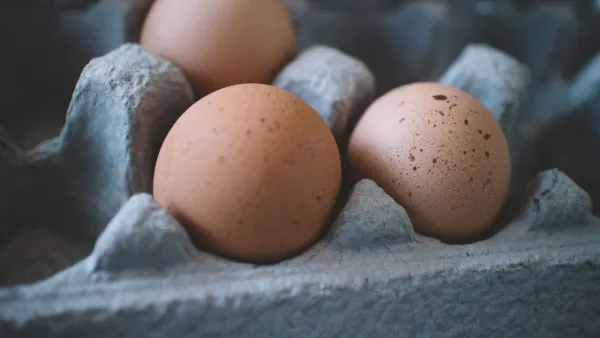
Photo: Pexels
Many home cooks swear by this trick. Rather than changing the peeling method itself, the idea is to use eggs that have been sitting in the refrigerator for a week or so instead of very fresh eggs.
To my surprise, this made a noticeable difference. The shells separated much more easily, and the egg whites remained intact.
This isn’t a last-minute solution. You need to plan ahead and have older eggs available.
After trying all five methods, the ice bath method stood out as the most effective overall. It delivered the most consistent results, worked across multiple eggs, and significantly reduced the frustrating battle between the shell and the egg white. The rolling method came in a close second, especially because it requires no special equipment.
What surprised me most was that peeling an egg isn’t just about what you do after boiling. Factors like the freshness of the eggs and how quickly you cool them can make a huge difference.
If you are tired of losing half your egg to the shell, try the ice bath trick the next time you boil a batch. It made the biggest difference in my kitchen, and I can see myself sticking to it from now on.