The clash between France and Iraq at the 2026 World Cup highlighted the impact of extreme weather protocols introduced for the tournament.
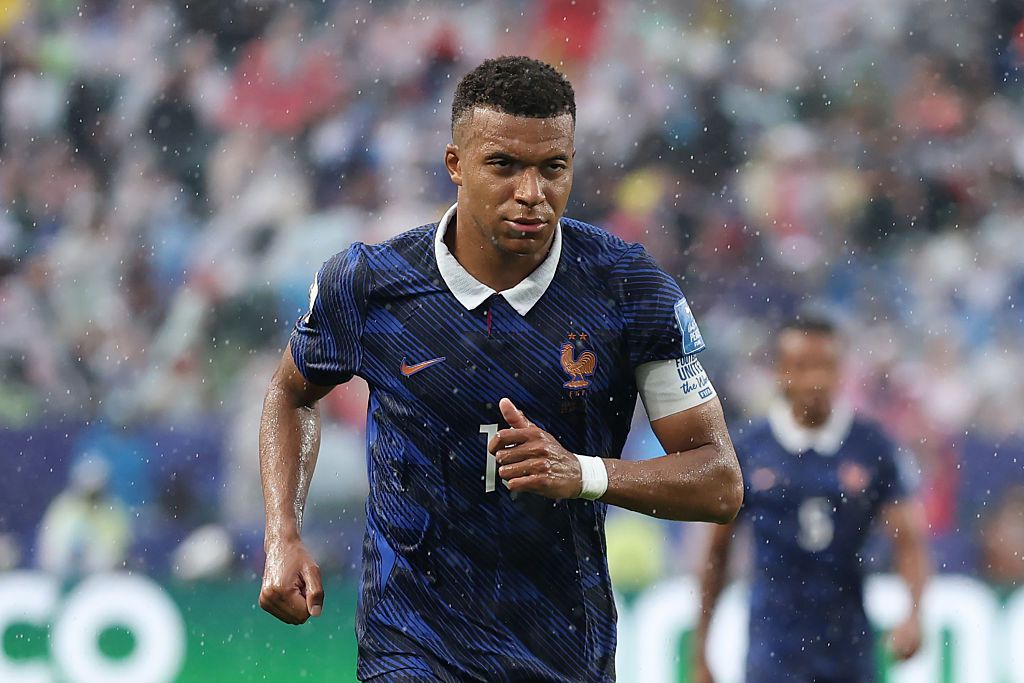
The first half ended around 10:45 pm British time (5:45 pm ET), with France leading 1-0 courtesy of a strike from Kylian Mbappe.
That goal brought Mbappe within three goals of surpassing all-time top scorer Lionel Messi, who had set the new record earlier in the evening.
However, the game was disrupted by severe weather conditions, including heavy rainfall and thunderstorms, leading to a delay. This raised questions about the procedures in place for such weather-related interruptions.
France had opened their 2026 World Cup campaign with a convincing win over Africa Cup of Nations runners-up Senegal.
In that match, Mbappe and Michael Olise combined effectively in the second half to overcome a resilient Senegalese team that had held firm for much of the contest.
Against Iraq, the duo once again linked up in the 14th minute to give France an early advantage and move closer to securing a place in the knockout stages. But soon after, the second half was delayed due to worsening weather conditions.
Tournament organisers and local authorities in Philadelphia had already issued early warnings about potential extreme weather before the game.
Fans based outside the city were advised to remain indoors, as torrential rain and storm warnings persisted throughout the evening.
Heavy rainfall began roughly three hours before kick-off, forcing the organisers to delay the opening of the stadium gates.
Later, lightning strikes in the area caused a two-hour delay before the second half could begin, triggering strict safety measures as outlined by World Cup weather regulations.
According to these rules, if lightning is detected within eight miles of the stadium, play must be suspended for at least 30 minutes — divided into a 15-minute waiting period after the last strike and another 15 minutes for the players to warm up again. The countdown restarts if further strikes occur.
During this period, players, officials, and spectators are required to move to secure indoor areas or designated shelters until conditions are deemed safe.
As a result, the France vs Iraq encounter did not resume until 1 am UK time.
Once play restarted, France extended their lead through another Mbappe goal, before Ballon d’Or winner Ousmane Dembele added a third to seal a 3-0 victory, sending Didier Deschamps’ men into the last 32 of the World Cup.
Because of the lengthy delay, there was no hydration break in the second half, and only two minutes of additional time were added at the end.
“It was a very long evening,” Mbappe said after the game. “We spent a lot of time waiting. It’s emotionally and mentally exhausting because we had to remain completely focused and ready in the dressing room.”
He added, “Staying in the dressing room for an hour and a half – nearly two hours – while keeping that level of concentration is tough. It takes a lot from you. The players and staff gave everything.”
When asked how the team dealt with the delay, France coach Didier Deschamps joked, “We played cards.”
He went on to explain, “No, honestly, we were just waiting. The restart times kept getting pushed back. I actually enjoyed spending time with my players; we tried to keep things light-hearted.”
Deschamps added, “Safety has to come first. You can’t fight the rain or lightning. It doesn’t bother me — these are exceptional situations, and I hope they don’t happen again. The key thing was to take no risks.”