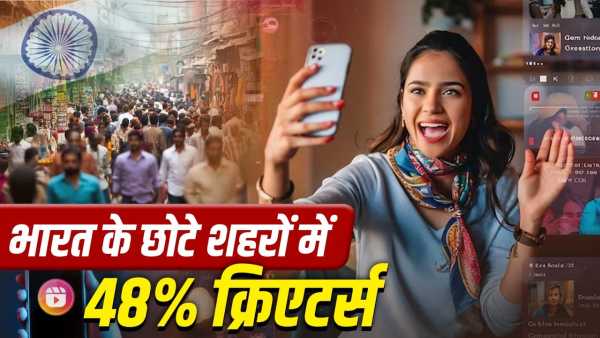
Are the reels and short videos playing on your phone just a source of entertainment? In small cities and towns of India, the answer is now “no”. Here reels and short videos have created a new digital economy. The data of the report shows that Tier-2 and Tier-3 cities have now become big engines of India's creator economy. The YouTube creator ecosystem alone is contributing more than Rs 16,000 crore to Indian GDP and supporting more than 9.3 lakh full-time jobs. Cheap 5G phones, low data costs and increasing demand for content in local languages have directly transformed the youth of small towns into the digital industry. This is the reason why brands are now increasingly moving away from metro cities towards small towns, tier-2 and tier-3 cities of India.
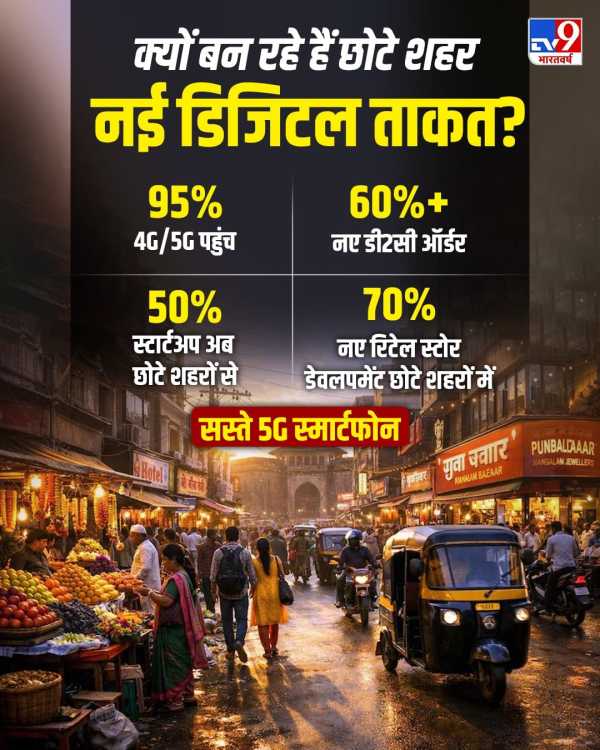
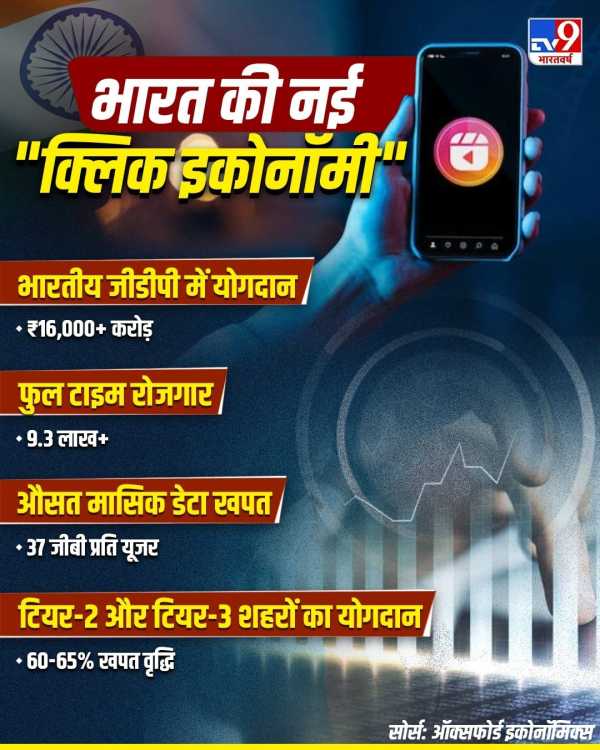
Mobile internet access and cheap data have completely changed content creation in India. The average data consumption in India is 37GB per month on smartphones, which is among the largest users in the world. In the last three years, an annual growth of 18 percent has been recorded in data consumption in small cities. 5G smartphones costing less than Rs 8,000 have further accelerated this change. Now a youth from a small town can reach millions of people only with the help of mobile phone and data pack. According to reports, Tier-2 and Tier-3 cities are today driving 60 to 65 percent of India's total consumption growth, making it clear that metro cities are no longer the center of the digital economy.
Cofluence's 'Decoding Influence 2026' report shows that the center of India's creator economy is rapidly shifting towards smaller cities. According to the report, today 43 to 48 percent of influencer campaigns are being run in Tier-3 and Tier-4 markets. The engagement rate in these markets is reaching 4.5 to 5.5 percent, whereas in metro cities this figure is between 3 to 4 percent. The most interesting thing is that while in metro cities one has to spend Rs 3.8 lakh to Rs 4.5 lakh on a campaign, in small cities the same work is done between Rs 35 thousand to Rs 90 thousand. This is the reason why companies are now giving more importance to micro and nano creators.
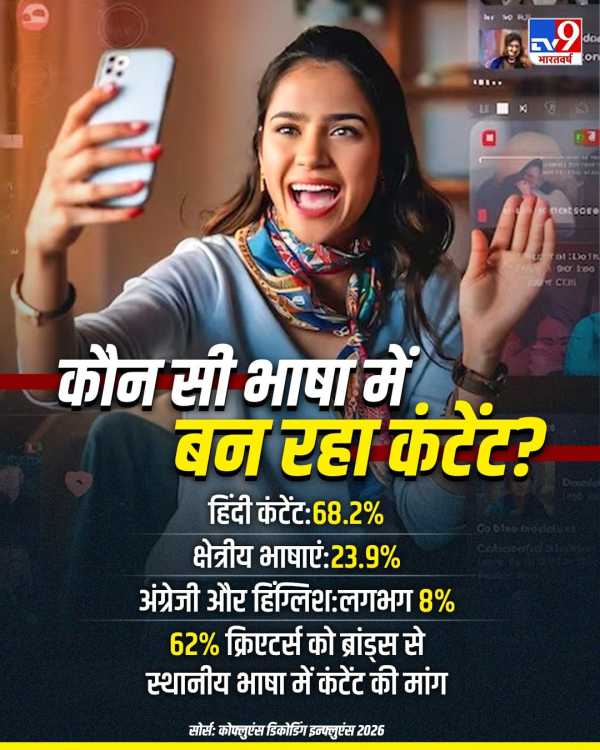
Language has become the biggest strength of the creator economy. According to the Cofluence report, 68.2 percent of creators in India use Hindi as their main language. Whereas 23.9 percent creators are creating content in regional languages. The report shows that more than 62 percent creators are now getting demands from brands to create content in local languages. According to ShareChat Bharat Insights and Accenture India Digital Media Report, almost 90 percent of creators coming from Tier-2 and Tier-3 cities create content in their mother tongue. This is the reason why now brands are giving importance not only to national reach but also to local trust.
According to an Oxford Economics report, the YouTube creator ecosystem has contributed more than Rs 16,000 crore to India's GDP. It has also supported more than 9.3 lakh full-time jobs. This employment is not limited only to video makers. Video editors, script writers, camera operators, thumbnail designers, social media managers and marketing professionals have also become part of this ecosystem. According to the report, about 29 percent of creators in Tier-2 and Tier-3 cities are now using AI tools to increase their reach. Due to this, digital micro-entrepreneurship is growing rapidly in small cities.
The business of reels and short videos is no longer limited to social media only. According to a Cofluence report, about 15.2 percent of India's more than 40 lakh active creators are now registered under GST or as other formal business units. This means that thousands of youth have now become tax paying digital entrepreneurs. Reports suggest that the creator economy also plays a big role in the increase in UPI transactions and digital payments in Tier-2 and Tier-3 cities. Direct payments from brands and digital advertising have given rise to new economic activities in small towns. This is the reason why today more than 60 percent of new D2C orders in the country are coming from these cities.
The impact of the expansion of the digital economy is not limited to content alone. According to reports, about 50 percent of the country's recognized startups are now emerging from tier-2 and tier-3 cities. At the same time, 70 percent of new retail store development is also taking place in small cities. Global Capability Centers are opening in cities like Mohali and Jaipur because the cost of commercial real estate here is 50 to 60 percent less than in big cities. This shows that reels and digital content are not just entertainment but have become the strong foundation of India's changing economy.