Beetroot is often praised as a nutritional powerhouse, packed with essential vitamins, minerals, antioxidants, and fiber. Whether added to salads, blended into juices, or cooked as part of a meal, this vibrant root vegetable can support overall health in several ways.
But what's the healthiest way to consume beetroot? Should you eat it raw, drink its juice, or steam it? According to nutrition expert Dr. Geetika Chopra, the answer depends on your health goals and individual needs.
Why Beetroot Is So Good for YouBeetroot is rich in important nutrients, including:
Fiber and plant-based protein
Folate (Vitamin B9)
Vitamin C and Vitamin A
Calcium, magnesium, iron, potassium, phosphorus, and manganese
Natural compounds that support heart health and circulation
With such an impressive nutritional profile, beetroot can be a valuable addition to a balanced diet.
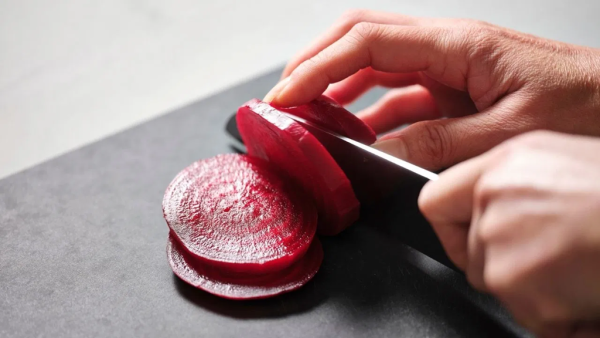
Eating Beetroot Raw: Highest Nutrient RetentionMany people enjoy beetroot in salads, and for good reason. Eating it raw helps preserve heat-sensitive nutrients that can be lost during cooking.
You can:
Slice it and eat it directly
Grate it into salads
Combine it with carrots, cucumber, or lemon for extra flavor
Since beetroot grows underground, it can carry soil, bacteria, and other contaminants. Before eating it raw:
Scrub it thoroughly
Soak it in lukewarm salt water
Rinse well with clean water
Proper cleaning is essential to reduce the risk of stomach infections.
Who Should Be Careful With Raw Beetroot?Raw beetroot may not be suitable for everyone.
People with:
Kidney disease
A history of kidney stones
Sensitive digestion or digestive disorders
should consult a healthcare professional before consuming large amounts of raw beetroot. Its naturally high oxalate content may be problematic for some individuals.
Beetroot Juice: Best for Quick Energy and Nitrate IntakeBeetroot juice has become a popular health drink, especially among fitness enthusiasts.
One of its biggest advantages is that it provides a concentrated source of natural nitrates, which may support blood flow and exercise performance.
Benefits of Beetroot JuiceQuick hydration
Instant energy boost
Easier consumption of larger quantities
Higher nitrate intake
However, juicing removes much of the fiber found in whole beetroot. If digestive health and satiety are your priorities, eating the vegetable whole may be a better choice.
Steamed Beetroot: The Most Balanced OptionSteaming is often considered one of the healthiest cooking methods because it minimizes nutrient loss while improving food safety.
Unlike boiling, steaming:
Doesn't submerge vegetables in water
Helps retain more vitamins and minerals
Reduces exposure to harmful bacteria and contaminants
Preserves flavor and texture
Experts often recommend steaming root vegetables because it offers a good balance between nutrition, safety, and digestibility.
Which Method Is Best?Each method has its own advantages:
Raw Beetroot
Highest nutrient retention
Rich in fiber
Ideal for salads
Beetroot Juice
Great for hydration and quick energy
Higher nitrate concentration
Easy to consume in larger amounts
Steamed Beetroot
Safer and easier to digest
Retains most nutrients
Reduces risk of contamination
If you're looking for the most practical and balanced option, steamed beetroot may be the winner. It retains much of its nutritional value while being easier on the digestive system and safer to consume. However, raw beetroot and beetroot juice also offer unique benefits, making the best choice dependent on your personal health goals and dietary needs.