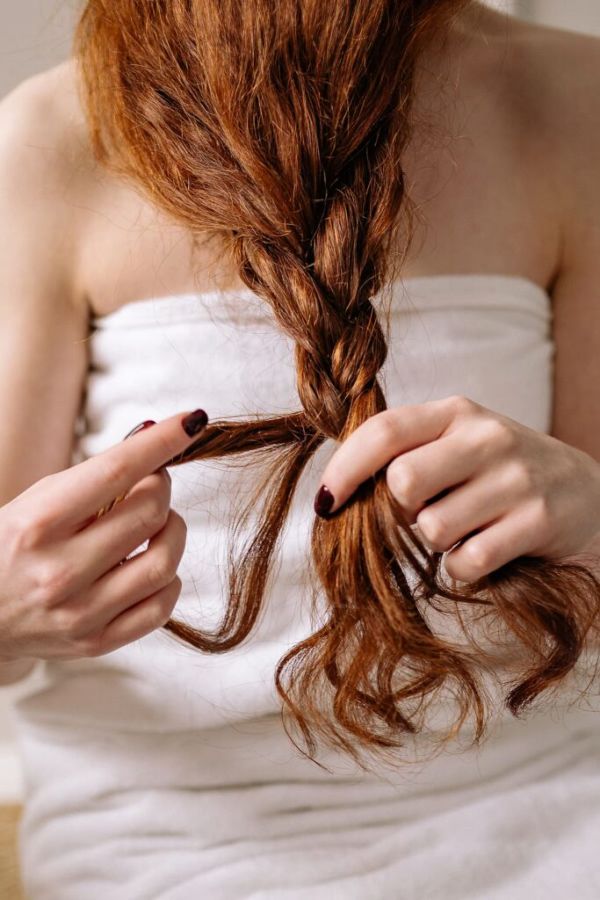
Split ends are one of the most common hair concerns, making hair look dry, frizzy, and unhealthy. While the only permanent way to remove split ends is by trimming them, adopting the right hair care routine can help prevent further damage and keep your hair looking smooth and healthy.
Here are four simple ways to take care of split ends.
Regular trims are the most effective way to get rid of split ends before they travel further up the hair shaft. Hair experts recommend trimming your hair every 6 to 8 weeks, depending on your hair type and the amount of damage.
Even a small trim can improve your hair’s overall appearance and reduce breakage.
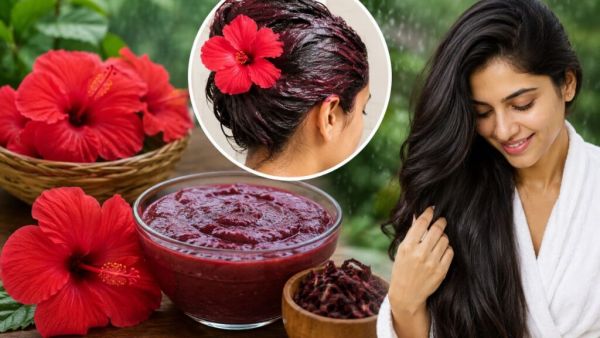
Dry hair is more likely to develop split ends. Using a deep-conditioning treatment or nourishing hair mask once or twice a week helps restore moisture, improve softness, and strengthen hair strands.
Look for products containing ingredients like argan oil, shea butter, keratin, coconut oil, or natural proteins for added hydration.
Frequent use of straighteners, curling irons, blow dryers, and chemical treatments can weaken the hair cuticle, leading to split ends.
Whenever possible:
Giving your hair regular breaks from heat can significantly reduce damage.
Rough towel drying, aggressive brushing, and tight hairstyles can increase hair breakage.
To protect your hair:
These small habits can help keep your hair healthier over time.
Maintaining a balanced diet rich in protein, iron, biotin, zinc, and omega-3 fatty acids supports stronger hair growth. Drinking enough water and protecting your hair from excessive sun exposure can also improve overall hair health.
Although split ends cannot be permanently repaired, regular trims combined with proper hydration, gentle handling, and reduced heat styling can minimize damage and keep your hair looking smooth and healthy. Consistent hair care is the best way to prevent future split ends and maintain stronger, shinier hair.
Disclaimer: This article is for informational purposes only. If you experience excessive hair loss, persistent scalp problems, or severe hair damage, consult a qualified dermatologist or healthcare professional.