Food myths are common during pregnancy, and few are as widespread as the belief that papaya and pineapple can trigger a miscarriage. While these fruits have long been viewed with caution, experts say the risks depend on factors such as ripeness, quantity consumed, and an individual's pregnancy condition.
When it comes to papaya, the main concern is not the ripe fruit but unripe or semi-ripe papaya. Green papaya contains higher levels of latex and an enzyme called papain. Some laboratory studies suggest that these substances may stimulate the uterus and potentially increase contractions.
Because of this possibility, pregnant women particularly during the first trimester are generally advised to avoid unripe papaya. This precaution is largely aimed at reducing any potential risk during the early stages of pregnancy.
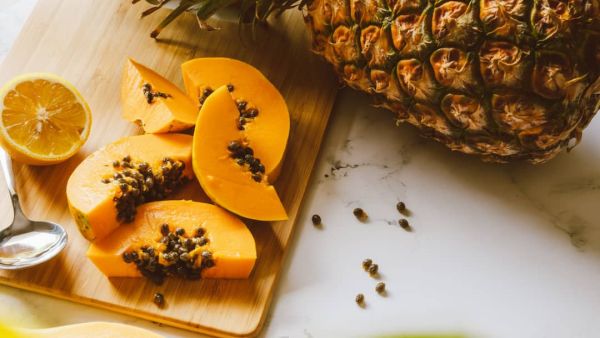
Fully ripe papaya is quite different from its unripe counterpart. According to health experts, ripe papaya contains very little latex and is packed with nutrients such as vitamin C, folate, antioxidants, and fiber.
Many experts believe that eating ripe papaya in moderation is unlikely to harm a healthy pregnancy. However, because human studies on this topic remain limited, doctors often recommend being cautious and consulting a healthcare provider before including it regularly in the diet.
Pineapple is another fruit that is often linked to miscarriage myths. The concern comes from bromelain, an enzyme naturally present in pineapple. Bromelain is believed to soften the cervix and may affect uterine tissues when consumed in very large quantities.
That said, there is no strong scientific evidence showing that eating normal amounts of pineapple can cause a miscarriage. Most experts agree that moderate consumption is generally safe for healthy pregnant women. Concerns are more likely to arise when pineapple is consumed excessively or when the pregnancy is already considered high-risk.
Papaya and pineapple should not automatically be viewed as dangerous foods during pregnancy. The real concern lies with unripe papaya and excessive consumption. Women who have a high-risk pregnancy, a history of miscarriage, unexplained bleeding, or other pregnancy-related complications should be especially careful and seek medical advice before consuming these fruits.
Ultimately, every pregnancy is different. Rather than relying solely on common beliefs, it is always best to follow the guidance of a qualified healthcare professional and focus on maintaining a balanced, nutritious diet.
[Disclaimer: The information provided in the article is intended for general informational purposes only. It is not a substitute for professional medical advice, diagnosis, or treatment. Always seek the advice of your physician or other qualified healthcare provider with any questions you may have regarding a medical condition.]