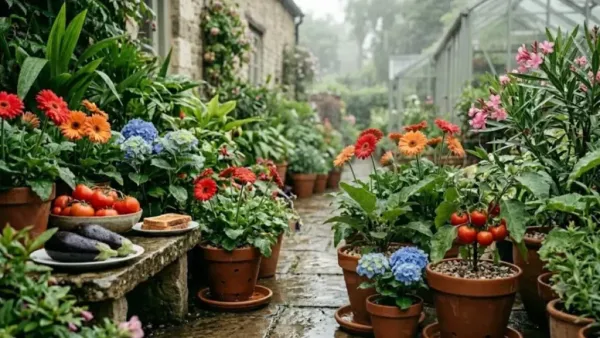
People fond of gardening often make the mistake of leaving the plants completely at the mercy of nature during the rainy season. The result is that the roots of the plants start rotting, fungal infection increases and the plants gradually start deteriorating.
do not allow water to accumulate
The biggest problem during the rainy season is filling water in pots and beds. Due to continuous accumulation of water, oxygen cannot reach the roots and the problem of root rot may occur. Therefore, keep checking the drainage holes of the pots from time to time and drain out excess water.
protect against fungal infections
Due to excess moisture, the risk of fungus and pests in plants increases. If white or black spots appear on the leaves, immediately remove the affected area. Using neem oil spray or organic fungicides can also help protect plants.
ensure availability of sunlight
There is no sunlight for several days during monsoon, which can affect the growth of plants. If possible, keep the pots in a place where they can get natural light for a few hours. It is also beneficial to keep indoor plants in open space from time to time.
Use fertilizer wisely
The nutritional needs of plants change during the rainy season. Applying excessive amounts of fertilizer during this period may harm the plants. Use organic fertilizer or vermicompost in light quantity and provide nutrition only after considering the condition of the soil.
clean plants regularly
Due to rain, dust, insects and fungus can accumulate on the leaves. Remove dry, yellow or infected leaves in time. This will channel the plants’ energy into the growth of new and healthy leaves and reduce the risk of infection spreading.
keep an eye on pests
Snails, slugs, aphids and other pests proliferate during monsoon. These can damage the leaves and new branches of plants. Make regular inspections and use natural pesticides when needed.
Give extra protection to delicate plants
Some ornamental and flowering plants cannot tolerate heavy rains. Such plants can be saved by keeping them in shade net, polythene cover or some safe place. This will prevent their leaves and flowers from getting spoiled.