Every memorable World Cup features a spirited underdog who defies expectations to make a remarkable run into the final stages of the competition.
In 2002, co-host nation South Korea filled that role, becoming the first Asian team ever to advance to the semi-finals of the World Cup.
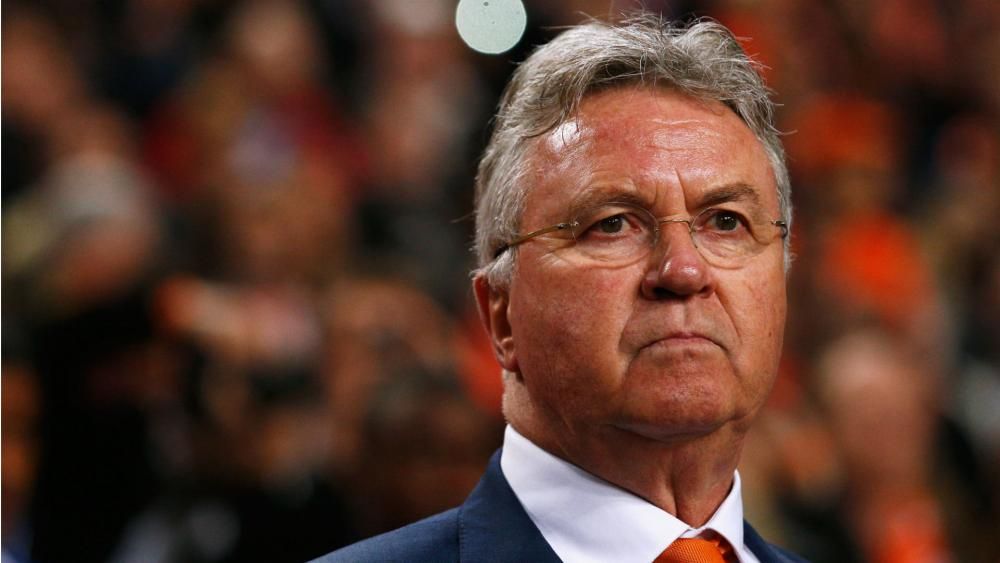
This extraordinary achievement was guided by Dutch manager Guus Hiddink, who drew upon an unusual yet deeply motivational source of inspiration before the most important match in South Korea’s footballing history.
“Before the quarter-final against Spain, there was a very special moment,” Hiddink shared with FourFourTwo. “In the lead-up to the World Cup, I had met South Korean President Kim Dae-jung. I used to give nicknames to many of my players and staff.”
“A lot of them had common surnames like Kim, Choi, Lee, or Park. I had a driver named Kim, so he became ‘Driver Kim’. Another Kim had spent time working in Germany, so I called him ‘German Kim’. That’s how it went.”
“The president’s surname was also Kim. He had faced tremendous challenges before becoming president. Back when South Korea hadn’t yet transitioned to democracy, he was part of the opposition and had survived multiple assassination attempts.”
“Because of that, he walked a bit slowly, so I thought to myself, ‘I’ll call him Slow Kim.’ When I mentioned it to him, everyone around him looked shocked, as if to say, ‘How could you say that?’”
“But he laughed. He had a great sense of humour. He never spoke English publicly, but he did when speaking with me.”
Through these interactions, Hiddink built strong connections with his South Korean colleagues and began to better understand the country’s culture and what success at the World Cup could mean for his players.
“I’d heard that South Korean Olympians who won gold medals were granted exemption from compulsory military service – since South Korea and North Korea are technically still at war,” he explained. “So I thought, ‘What if the same could apply to our players if we reached the semi-finals?’ I didn’t really expect it to happen, but it was worth considering.”
“There wasn’t a definite answer until the day before our quarter-final against Spain. During training, the interpreter came up to me and said, ‘Mister, the president wants to talk to you.’ I was handed a phone, and Slow Kim said: ‘If you beat Spain, all the boys will be exempt from military service.’”
“After training, I told the players, and they simply couldn’t believe it. They gathered together in a huddle and began to cry – one by one – genuinely moved.”
“For them, it meant everything, especially for those who aspired to play professionally in Europe. The president kept his promise.”