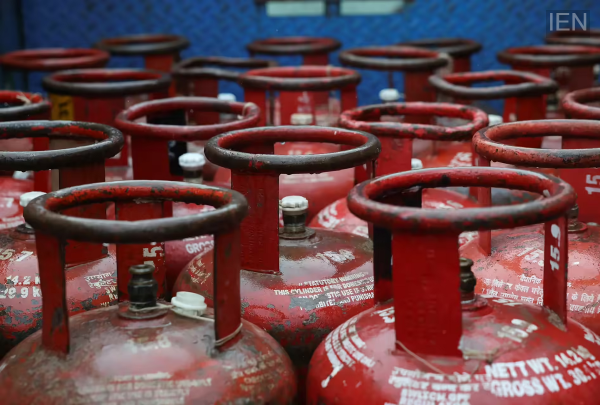
LPG Gas Safety Tips: Pouring water on the nozzle or valve to check for gas cylinder leaks can be dangerous. Always follow the correct inspection procedure to avoid major accidents.
Gas Cylinder Leakage Check: Gas cylinders are widely used today, and users often face various issues associated with them. When a leak is suspected, many people check by pouring water on the nozzle or valve, believing that the formation of bubbles indicates a gas leak. However, using this method can prove extremely dangerous.
Instead of using incorrect methods, always follow the proper procedure to check your gas cylinder and avoid serious accidents. Often, a moment of minor negligence can lead to a major disaster.
What happens when water is poured on the nozzle?
The gas cylinder nozzle contains a small rubber washer designed to prevent gas from escaping. Pouring water into the nozzle creates pressure that can cause this rubber washer to tear or crack over time, significantly increasing the risk of future gas leaks.
What to do if you smell gas:
Turn off the regulator and the gas stove burner.
Open all windows and doors.
Contact your gas agency or the LPG emergency helpline at 1906.
Do not use matches or lighters, and do not turn fans or any electrical switches on or off.
What is the correct way to check for leaks?
Instead of pouring water directly onto the cylinder, use soapy lather to check for leaks.
To do this, mix dishwashing liquid or shampoo with a little water to create a lather. Apply the foam around the nozzle using a sponge or a cloth.
Do not pour water into the nozzle under any circumstances.
If gas is escaping from any point, large bubbles will form, making it easy to detect the leak.