For decades, the metric of success in real estate has been volume. How many towers can we launch? How tall do we make them? How fast can we hand over the keys? And yes, this relentless drive has turned Dubai into one of the most spectacular urban environments on the planet.
But as we stand at the threshold of a new era, the conversation needs to change. We are no longer a city that needs to prove it can build.
The pressing question is no longer whether we can construct another skyscraper, but rather why we are choosing to build it at all. We have reached a point where repetitive, efficient design is simply not enough to sustain the future of the emirate.
To understand why this is so critical, we need to look at the bigger picture. A sustainability study from Heriot-Watt University in Scotland stated that the building sector consumes 80 % of overall energy demand in the UAE. Additionally, global construction and building operations account for approximately 38% of total energy related carbon dioxide emissions.
If developers continue to prioritise rapid expansion over thoughtful, sustainable design, we will be engineering an unlivable future.
The problem with a purely efficiency driven approach is that it prioritises the spreadsheet over the streetscape. When developments are optimised strictly for maximum yield, the result is a constant repetition of the built environment.
We see this in identical façades that reflect heat rather than manage it, and in standardised floor plans prioritising square footage over natural light. This kind of architecture treats residents as passive occupants rather than human beings. It ignores the truth that our physical surroundings shape our mental and emotional health.
When buildings are designed solely as assets to be traded, they fail in their primary function: to become places where people can genuinely thrive.
This clearly shows an urgent need for human centric architecture. Future cities will be defined by the quality of life they facilitate – not by the sheer height of their towers.
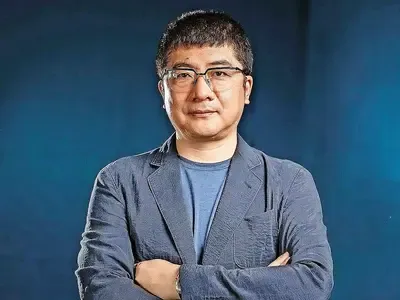
Xu Ma, Founder and Chairman of Tomorrow World Real Estate Development
Human centric design responds to physiological and psychological needs, even in the smallest of details. It requires us to consider how natural light affects our circadian rhythms, how green spaces lower cortisol levels, and how communal areas cultivate connection in an isolated digital world.
It’s about creating environments that actively contribute to the daily well-being of residents, rather than simply housing them.
Crucially, we must recognise that design directly influences livability, and livability is not merely a matter of aesthetics. True livability involves factors such as air quality, thermal comfort, acoustic insulation, and the seamless integration of sustainable technologies.
That is the difference between a building that drains energy from the grid and one that operates as a resilient ecosystem.
When we discuss better buildings, we are talking about structural empathy and developers taking true responsibility for their projects' long-term impact long after the initial sales phase is complete.
The days of pouring concrete without intent are long gone. The market is maturing, and today’s buyers expect far more than square footage – they demand environments that reflect their values and actively nurture their well-being. The first question developers must ask is no longer what to build – but why are we building this?
Xu Ma is Founder and Chairman of Tomorrow World Real Estate Development.