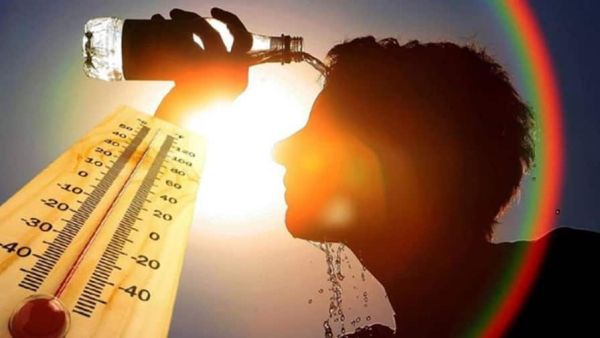
Europe is grappling with an unprecedented heatwave that has pushed temperatures to record levels, overwhelmed healthcare systems and claimed more than 1,300 lives, according to the World Health Organization (WHO). The extreme weather has disrupted daily life across several countries, with infrastructure buckling under the relentless heat and emergency services struggling to meet rising demand. The prolonged spell of scorching temperatures has affected millions of people, particularly vulnerable groups such as the elderly, infants and individuals with chronic health conditions.
Several parts of Europe have recorded historic temperatures as the continent experiences one of its most severe heatwaves in recent memory. Germany continued to bear the brunt of the extreme weather, with the German Weather Service (DWD) reporting a provisional high of 41.7°C in Brandenburg on Sunday, June 28. The country also experienced "tropical nights," during which temperatures remained above 20°C, denying residents much-needed overnight relief.
According to WHO Director-General Tedros Adhanom Ghebreyesus, Europe is warming at twice the global average, making it the fastest-heating continent. The organisation has linked more than 1,300 excess deaths across Europe to the ongoing heatwave since June 21.
The extraordinary temperatures have also taken a toll on infrastructure and everyday life. In Germany, tram tracks in Leipzig reportedly warped under the intense heat, forcing authorities to suspend services over the weekend. Reports also described roads and rail infrastructure coming under stress as temperatures continued to climb.
Meanwhile, social media has been flooded with videos purporting to show the impact of the heat. Some clips show people frying eggs and bacon on pans left in direct sunlight, while others depict chocolates melting inside shops, shopping carts deforming, footwear falling apart and bananas slipping from their peels.
In Berlin, police reportedly deployed water cannons to help residents cool off amid the sweltering conditions. However, the authenticity of several viral videos circulating online has not been independently verified.
The heatwave has placed enormous pressure on healthcare systems across Europe. In Germany, although most intensive care units are equipped with air conditioning, officials have acknowledged that the country remains insufficiently prepared for prolonged periods of extreme heat. Prior to the onset of the heatwave, the German Medical Association had urged authorities to strengthen heat-resilience measures in hospitals, care homes and clinics.
France has also witnessed a sharp rise in medical emergencies linked to the soaring temperatures. Reports indicate that emergency departments have recorded a fourfold increase in heat-related admissions, while incidents of cardiac arrest have also risen as temperatures climbed above seasonal averages.
Health authorities continue to urge residents to remain hydrated, avoid prolonged exposure to direct sunlight and take extra precautions to protect vulnerable family members as Europe confronts the growing impact of extreme heat driven by climate change.