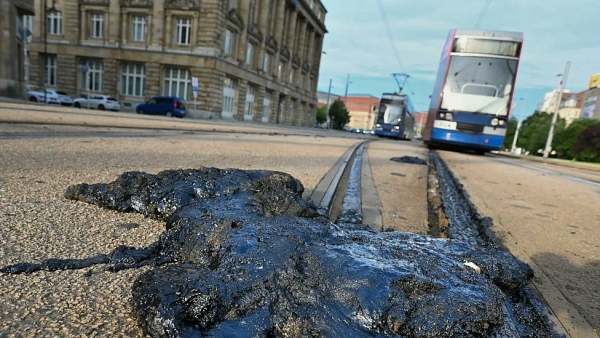
Roads are primarily built using asphalt, a petroleum-based material that becomes softer as temperatures rise. In Europe, road infrastructure has traditionally been designed for a temperate climate where average summer temperatures remain much lower than those in India. As a result, the asphalt mixtures used there are often formulated for moderate weather rather than prolonged extreme heat.
Europe has been witnessing intense heatwaves this summer, with temperatures crossing 40°C in several countries. The extreme weather has caused an unusual problem: roads have started softening, warping and even melting in places across the UK, France and Italy. This has raised a common question: if India experiences similar or even higher temperatures every year, why do Indian roads not melt as often? Read the article for further details.
Heatwave in Europe
People in Europe are facing scorching temperatures as the continent battles intense heat waves. This rapid change in climate is mostly affecting senior citizens. So far, hundreds of people have died, and many of the excess fatalities are among those aged over 65. These sudden changes have led to the melting of roads and other public infrastructure. The record-breaking heatwave is caused by the heat dome effect.
The answer lies in climate, engineering and road design.