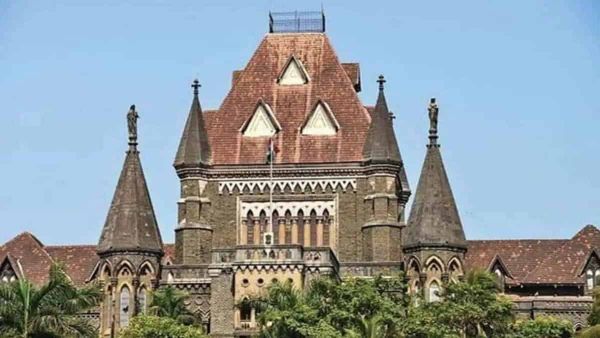
Mumbai: The Bombay High Court on Thursday, July 2, held that a person cannot be externed, or banished from a city, simply for organising protests against government decisions, and that doing so violates the fundamental right to free speech and the right to live with dignity.
Justice Madhav J Jamdar quashed an externment order issued against Saeed Ahmad Abdul Wahid Chaudhary, secretary of the Social Democratic Party of India (SDPI), holding that police had no evidence to show that his activities caused, or were likely to cause, alarm, danger or harm to the public.
The court set aside the externment order passed on December 3, 2025, by the Deputy Commissioner of Police, Zone-6, Chembur, as well as an appellate order dated March 27 this year, passed by the Divisional Commissioner, Konkan division, which had upheld the externment.

Chaudhary had approached the court challenging his externment under Section 56 of the Maharashtra Police Act, a provision that allows police to order a person to leave a city or district under certain conditions. He argued that the criminal cases cited against him arose out of protests, morchas and dharnas organised by the SDPI against certain decisions of the central government, and that most of the cases against him were for holding demonstrations without police permission, an offence that at the time carried a maximum punishment of just one month in jail.
His lawyers argued the externment order had no factual basis and was a bid to suppress political dissent, citing past rulings of the Supreme Court and the Gujarat High Court that had held externment cannot be used to punish people for protesting against the government.
The state, defending the order, said Chaudhary had gone ahead with demonstrations despite being denied police permission and had raised objectionable slogans.
The High Court explained that under the law, a person can only be externed if there is proof that their actions are causing, or are likely to cause, alarm, danger or harm to people or property, or if there are reasonable grounds to believe they are involved in offences involving force or violence.
Examining the case papers, the court found that none of the police cases against Chaudhary actually contained any such allegation. The cases only accused him of organising protests without permission, which the court said was not enough to justify externing him from the city.
“There is no material on record to show that the movements or acts of the petitioner are causing or calculated to cause alarm, danger or harm to person or property,” the court held, adding that the authorities’ claim that his activities caused danger was not backed by any evidence in the case files.
The court noted that externment is a serious step that takes away a citizen’s basic right to move freely, and said this right is closely linked to the freedom of speech and the right to live with dignity guaranteed under the Constitution. Externing someone simply because they opposed government decisions, the court said, directly affects these rights.
Citing the Supreme Court’s ruling in the Anuradha Bhasin case, the court said powers meant to maintain public order cannot be used to silence people raising legitimate grievances or exercising their democratic rights. It also referred to a Gujarat High Court ruling that had similarly held that a person cannot be externed merely for criticising the government.
Accepting these arguments, the court allowed Chaudhary’s petition and quashed both the externment order and the order that had upheld it in appeal.