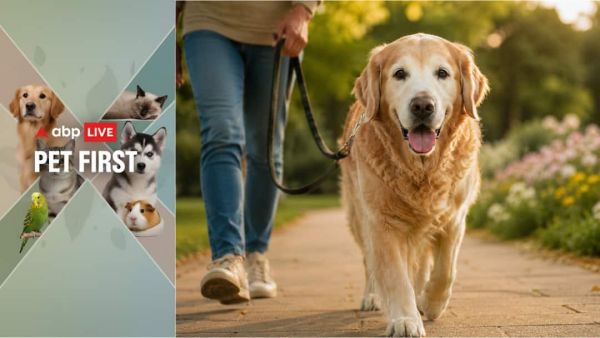
As dogs grow older, they naturally become less active and may begin to show signs of aging. One of the most common health concerns in senior dogs is arthritis, a condition that causes inflammation in the joints, leading to pain, stiffness, and reduced mobility. While arthritis cannot always be prevented, proper care and early intervention can significantly reduce the risk and help your pet enjoy a comfortable and active life for longer.
Excess body weight places additional pressure on a dog's joints, increasing the likelihood of arthritis. Feeding a balanced diet and avoiding overfeeding are essential for maintaining an ideal weight. Regular, low-impact exercise is equally important. Daily walks, gentle play sessions, and swimming can help keep joints flexible and muscles strong without putting excessive strain on aging bones. However, avoid intense activities that may increase the risk of joint injuries.
A nutritious diet plays a major role in supporting joint health. Foods rich in omega-3 fatty acids, antioxidants, and high-quality protein can help reduce inflammation and maintain healthy cartilage. If recommended by your veterinarian, joint-support supplements containing glucosamine and chondroitin may also be beneficial. Routine veterinary check-ups become increasingly important as dogs age. Early signs of arthritis such as difficulty climbing stairs, reluctance to jump, stiffness after resting, or limping can often be managed more effectively when detected early. Regular health examinations allow veterinarians to identify joint problems before they become severe.
Small changes at home can make a significant difference for senior dogs. Provide a soft, supportive orthopedic bed to reduce pressure on painful joints. Place food and water bowls in easily accessible areas and use ramps instead of stairs whenever possible to minimise strain. Keep your dog warm during colder months, as cold weather can worsen joint stiffness. Trim your pet's nails regularly to improve stability on slippery floors, and consider using non-slip mats in areas where they frequently walk. Although aging is a natural part of life, it does not have to mean constant discomfort. By maintaining a healthy weight, encouraging safe physical activity, supporting joint health through proper nutrition, and creating a pet-friendly home, owners can help reduce the risk of arthritis and improve their dog's overall quality of life. If you notice any persistent changes in your dog's movement or behaviour, consult a veterinarian promptly to ensure timely diagnosis and appropriate treatment.
Disclaimer: The information provided in this article is intended for general informational purposes only. It is not a substitute for professional veterinary advice, diagnosis, or treatment. Always consult a qualified veterinarian regarding your pet’s health, diet, or any medical concerns