The 2026 World Cup is set to be the largest tournament ever staged, yet its expanded format only partially explains what promises to be one of the most captivating Golden Boot races in the competition’s history.
The remaining four teams will each play eight matches across the United States, Canada, and Mexico this summer, giving the world’s best strikers ample opportunity to boost their goal tallies.
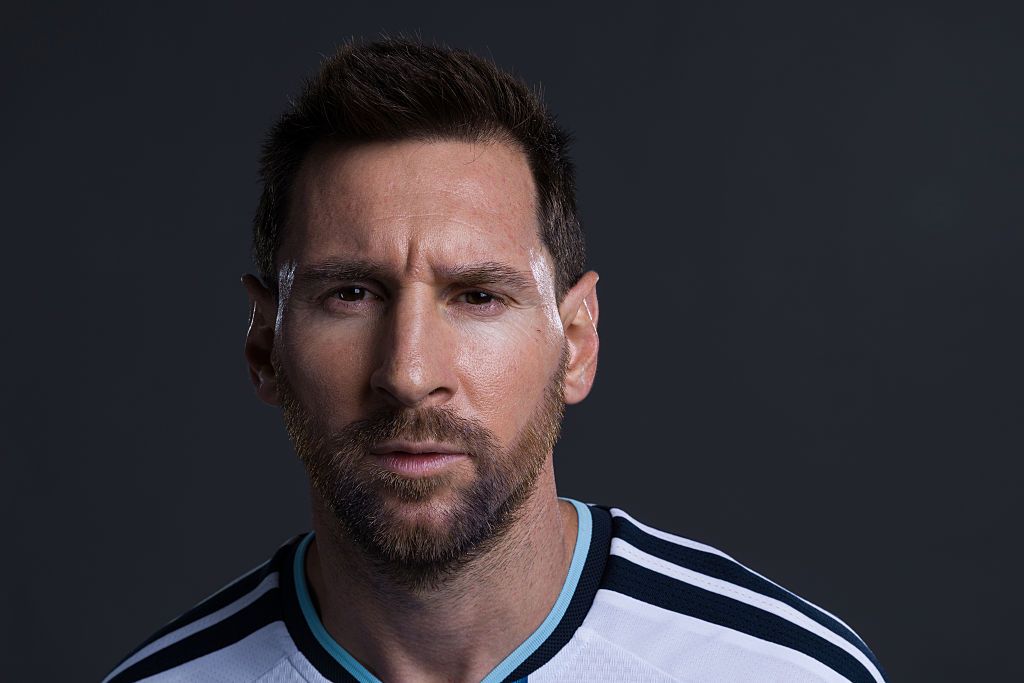
Lionel Messi and Kylian Mbappe have both surpassed Miroslav Klose’s record for the most career World Cup goals, adding further intrigue to the contest between the former Paris Saint-Germain teammates – and several others – for this year’s Golden Boot.
Messi netted six goals in Argentina’s opening three fixtures and added another in the Round of 32 clash with Cape Verde, bringing his career total to 20 World Cup goals – four more than Klose’s previous benchmark. Mbappe, meanwhile, has scored six times in four matches for France, taking his cumulative total to 18.
It seems likely that Mbappe, with his superior goals-per-game ratio and probable appearances in the 2030 World Cup, could eventually overtake the eight-time Ballon d’Or winner. However, the record for most goals in a single tournament appears beyond reach.
The record for the highest number of goals scored at a single World Cup stands at 13 – a sensational achievement by Just Fontaine for France during the 1958 tournament in Sweden, accomplished in just six matches.
Although France were eliminated by Brazil in the semi-final, Fontaine scored more than double the tally of any other player. Brazil’s Pele and West Germany’s Helmut Rahn followed with six goals each.
The Morocco-born striker was in prolific form when he joined France for his only World Cup, beginning with a stunning hat-trick in their 7-3 group stage win over Paraguay.
He added two more goals in a loss to Yugoslavia and another crucial strike against Scotland in the final group match.
Fontaine’s seventh and eighth goals came in the quarter-finals against Northern Ireland, followed by one more in the semi-final against Brazil.
He cemented his place in football history by scoring four goals in the third-place play-off, where France defeated West Germany 6-3 in Gothenburg.
While Brazil, led by the young Pele, went on to win the final, Fontaine’s four-goal display the day before helped him set a record that remains unmatched to this day.
Fontaine is not the only player to have reached double digits at a World Cup. Hungary’s ‘Mighty Magyars’ advanced to the final in Switzerland in 1954, where they were famously beaten by West Germany in the ‘Miracle of Bern.’
Sandor Kocsis, who scored both extra-time goals in the semi-final against Uruguay, finished that tournament with 11 goals – one fewer match than Fontaine played.
West Germany’s iconic striker Gerd Muller also made his mark at the 1970 World Cup in Mexico, netting 10 goals, though none came in the third-place play-off.