Canada’s World Cup journey came to a close after Morocco secured a dominant 3-0 victory in the Round of 16, with Azzedine Ounahi and Soufiane Rahimi playing decisive roles in ending Jesse Marsch’s campaign in Houston.
HOUSTON — The Canadian Men’s National Team bowed out of the 2026 World Cup following a 3-0 defeat to sixth-ranked Morocco before a vibrant crowd in Houston.
While disappointment ran deep across the Canadian camp, the outcome was hardly unexpected. Despite Canada’s remarkable progress under head coach Jesse Marsch over the past two years, they had yet to deliver a signature win against an elite football nation and needed one on the grandest stage.
In 2024, during Marsch’s early tenure, Canada drew with France but lost twice to Argentina at the Copa América. They also managed a goalless draw against Colombia. Yet none of those encounters carried the same weight as a World Cup knockout match against a Moroccan side that continued to grow in strength while Canada missed key figures — captain Alphonso Davies and creative midfielder Ismaël Koné.
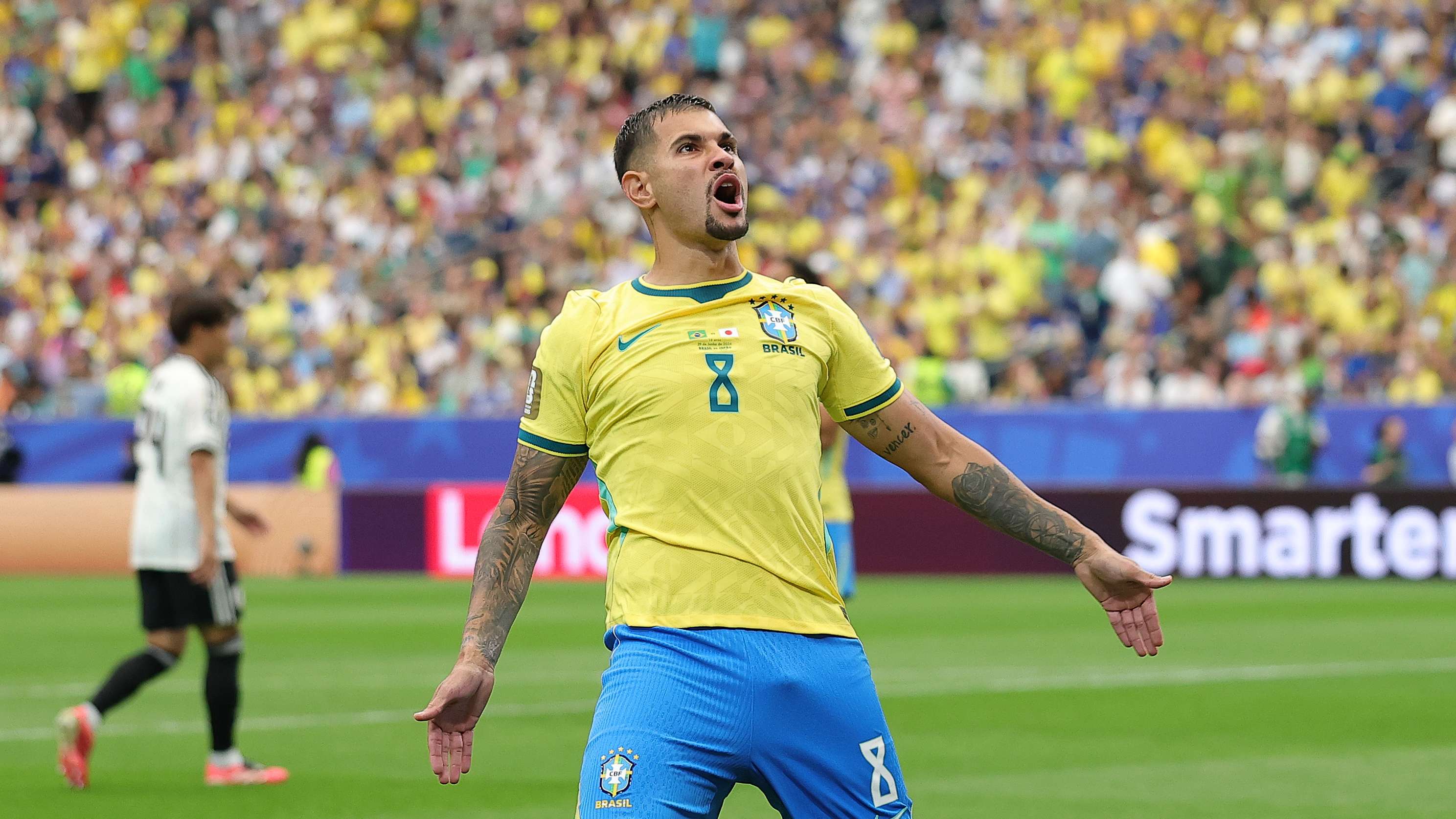
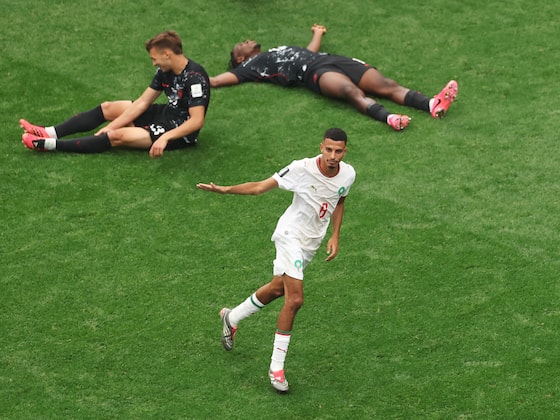
Canada controlled much of the first half and maintained attacking momentum, but a single lapse proved costly. Azzedine Ounahi capitalised from a set piece in the 49th minute to open the scoring. As Canada pressed for an equaliser, they were twice undone more by Ounahi and Soufiane Rahimi, eventually succumbing 3-0 to the Atlas Lions.
The match mirrored Canada’s Copa América opener against Argentina in 2024, where they dominated the first half, entered halftime level, conceded in the 49th minute, and ultimately lost 2-0 after a late setback.
Saturday’s outing wasn’t the dream performance Canada had envisioned, but there is still much to be proud of. Few predicted they would reach the Round of 16, and many members of this young team will still be in their prime by the 2030 World Cup.
For now, their campaign concludes in Houston. Here’s a look at the winners and losers from the match as Morocco booked a quarterfinal clash with either France or Paraguay in Boston on July 9.
WINNER: Canada’s promise against global giants
Canada’s impressive start should provide optimism heading into the next World Cup cycle.
Under Marsch, this was arguably their most complete performance against a top-ranked opponent. They dominated the first half, generating 0.42 expected goals (xG) and forcing Morocco to concede four corners.
While their pressing and overlapping runs from full-backs were effective, their finishing remained an issue. Canada’s recurring problem is turning promising play into goals. Tani Oluwaseyi squandered a key early chance that Jonathan David might have converted — although David himself struggles to consistently find those positions.
This summed up Canada’s current state: capable of competing with elite teams but lacking the decisive edge in the attacking third.
LOSER: Luc De Fougerolles
Despite an otherwise strong World Cup showing, 20-year-old centre-back Luc De Fougerolles made a costly error that led to Morocco’s opening goal and earned him the seventh yellow card of the match.
The Fulham defender, who once had more international caps than club appearances, has been among the top-ranked defenders in FIFA’s new pre-match Power Rankings. Partnered with Moïse Bombito, he again displayed composure and potential. However, one moment of misjudgment set up Ounahi’s breakthrough.
Though his mistake contributed to Canada’s exit, De Fougerolles can take pride in his tournament. His performances should earn him Premier League minutes or another productive loan spell, and his future with Canada looks bright.
WINNER: The rise of Canadian football
Canada entered this World Cup with clear goals — win a match and progress beyond the group stage. They achieved that and more, reigniting national interest in the sport.
While official viewership numbers are pending, Saturday’s knockout tie likely drew over six million viewers, following group stage matches that averaged more than five million. Football has long been Canada’s most played sport, but this World Cup elevated the men’s national team’s profile to new heights.
After the Round of 32 victory over South Africa, Marsch hailed his players as “Canadian heroes”. Though an emotional label, it fits the moment. A month ago, Canadian football stood in a completely different place — domestically and internationally — and this campaign has changed that perception, even if the team fell short of the quarterfinals.
LOSER: Jesse Marsch
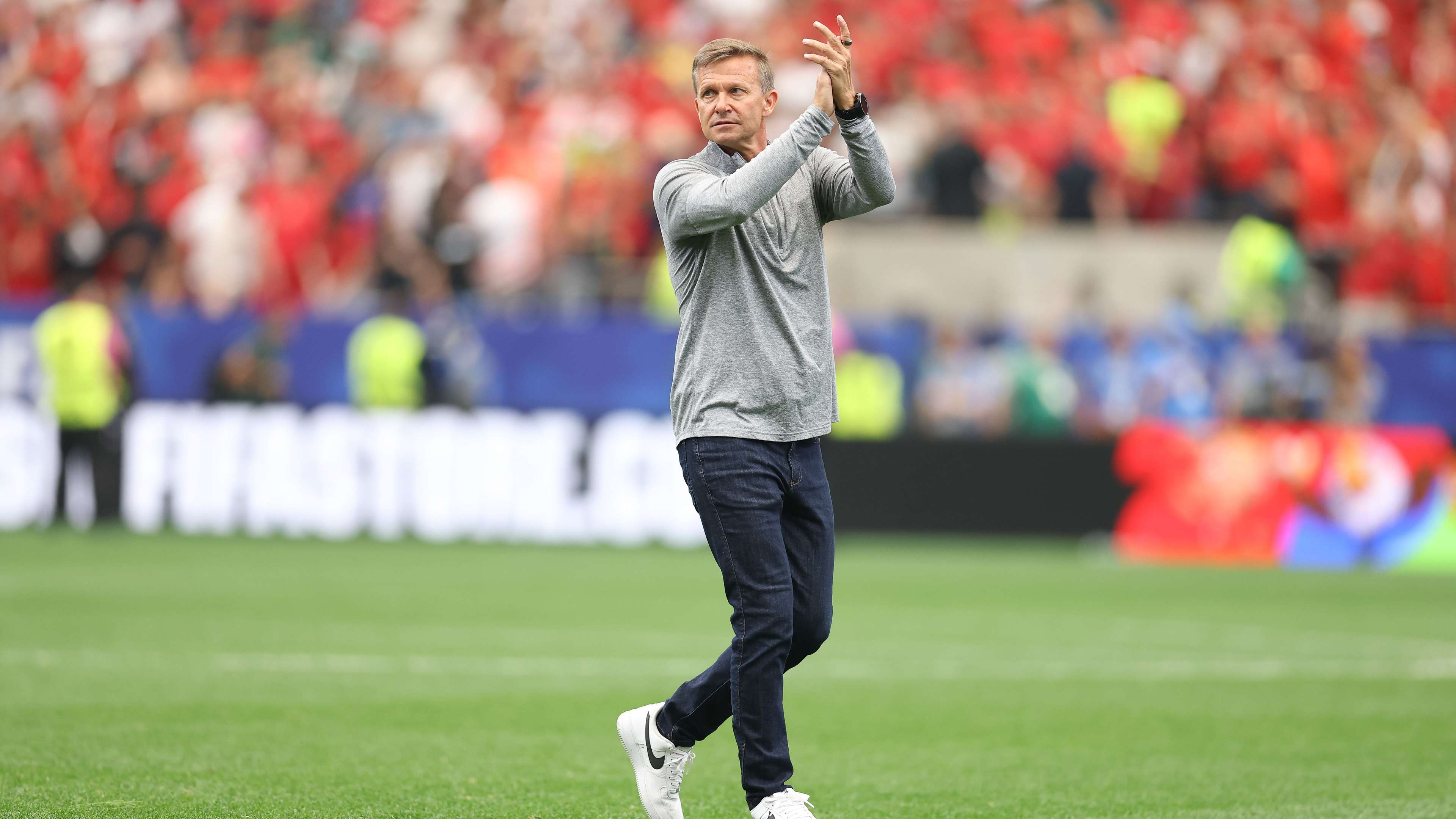
Jesse Marsch’s leadership has been instrumental in Canada’s resurgence. Taking the team from 122nd in the FIFA rankings a decade ago to the knockout stages of a World Cup is a remarkable achievement. He can rightly take pride in his work.
However, his handling of substitutions has drawn criticism throughout the tournament, particularly in the second half against Morocco. Apart from Alphonso Davies’ fitness concerns, Marsch was hesitant to use 24-year-old Promise David, a striker who has shown consistent scoring potential. Despite netting against Switzerland, David did not come on until the 79th minute against Morocco.
After finishing 31st out of 32 teams in 2022, Canada needed Marsch’s motivational touch to rebuild belief. Yet, as the project evolves toward 2030, an additional experienced assistant coach could further strengthen the setup.
WINNER: Morocco’s global credentials
Morocco extended their unbeaten run in regulation time to 34 matches. Even without their best performance, they emerged comfortable winners. The scoreline was shaped by game dynamics and Canada’s late attacking desperation.
Unlike several World Cup teams reliant on individual stars, Morocco boast balance and depth. Goalkeeper Yassine Bounou made three key saves, while the team remained clinical on set pieces and defensively resolute throughout.
After enduring 120 minutes and a penalty shootout against the Netherlands in the Round of 32, followed by a physically demanding clash with Canada, Morocco will still fancy their chances against France or Paraguay in the quarterfinals. Having reached the semifinals four years ago, they appear poised for another deep run.
LOSER: FC Bayern Munich
With the World Cup nearing its final stages, Bayern Munich’s concerns are mounting. Left-back Alphonso Davies, sidelined by a hamstring strain sustained in early May, missed the Morocco match after playing just 15 minutes in the tournament.
To compound matters, new signing Ismael Saibari was forced off in the 22nd minute with a hamstring injury. Bayern will now need to carefully manage his recovery as club football resumes.
After witnessing Canada’s elimination, Bayern’s focus will also turn to Harry Kane’s upcoming match against Mexico at the high altitude and heat of Estadio Azteca.