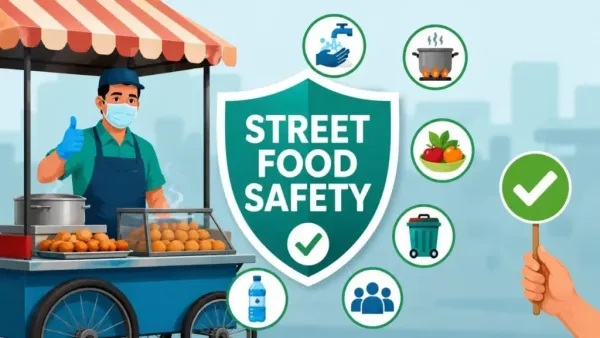
Monsoon Health Tips: Street food is an important part of Indian culture. From spicy chaat to pakodas, momos and roadside tea, all these delicious things are liked by the people throughout the year. The desire to eat hot and crunchy street food increases even more during the monsoon season.
Eating street food in the rain may seem fun, but it is harmful for health. Monsoon season is the time for rapid growth of germs, viruses and parasites. Heavy rains, humidity, waterlogging and lack of cleanliness make roadside food unsafe if proper precautions are not taken.
Excessive moisture and humidity during the rainy season creates a favorable environment for bacteria, fungus and viruses to grow rapidly. Water becomes contaminated due to overflowing drains, dirty water and lack of cleanliness. Eating loose food made from contaminated water can cause stomach and intestinal infections.
Street vendors work in open spaces, so food is not safe from dust, flies, dirty rain water and pollution. If the level of cleanliness is not good, the risk of falling ill increases.
One of the most common health problems during the rainy season is diarrhea. Eating contaminated food or drinking impure water can upset the digestive system and cause problems like diarrhea, stomach cramps, nausea and dehydration.
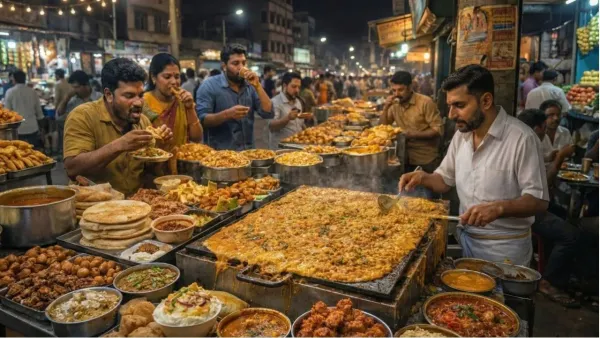
Monsoon (Photo.ai)
According to WHO, typhoid is a bacterial infection, which is spread through contaminated food and water. It becomes dangerous during the monsoon season when cleanliness of hands, utensils and water used in cooking is not maintained.
Hepatitis A is an infection of the liver, which is mainly spread through contaminated food and water. This virus can easily spread through food available on roadside due to lack of cleanliness.
Cases of food poisoning increase during the rainy season. Improperly stored food, stale ingredients, and contaminated cooking surfaces can introduce harmful bacteria into food.
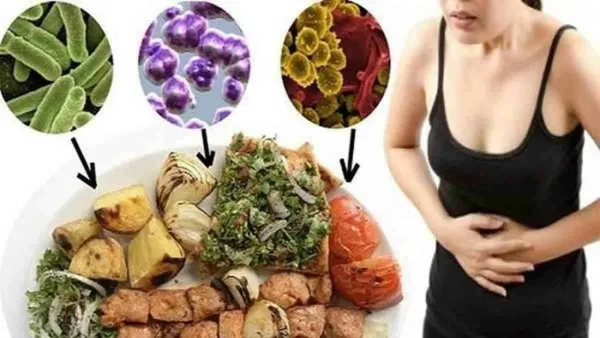
Monsoon (Photo.Social Media)
Fungal contamination can also occur in food items due to moisture during monsoon. Moisture can cause chutneys, sauces, stored food and bread to spoil quickly. If a person eats food containing mushrooms contaminated with fungus, he or she may develop infections, digestive problems, or allergies.
Raw vegetables and salads sold on roadside may become contaminated due to washing with contaminated water. Due to this the germs do not die and enter the body.
If cut fruits are left in the open air, they can become infected with dust, bacteria and flies. Unwashed or unpeeled fruits or vegetables may have germs on their surface.
Roadside vendors selling ice may offer a product made with unsafe water. Eating, drinking or coming in contact with contaminated ice can cause stomach infections and hepatitis A.

Monsoon (Photo.Social Media)
If seafood is not refrigerated properly, it spoils quickly during monsoon. Eating old seafood can cause stomach upset and serious food poisoning.