How to grow vegetables in pots even if you do not have a backyard: Simple step-by-step guide for beginners
ETimes July 05, 2026 04:39 PM
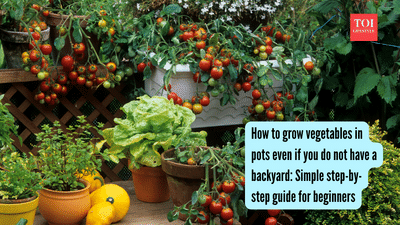 People are moving into metropolises in search of more and more employment, and while the population increases, the space is still limited. So much so, that housing is gradually moving into high-rises.
So, not everyone gets a backyard to plant their favourite organic vegetables to pluck right at hand.
But you do not need to worry, as some of the best gardens can still be made in the smallest, most unexpected spots, be it a balcony railing, a sunny front step, or even a windowsill that gets good light.
Container gardening has recently become one of the most practical and popular ways to grow your favourite veggies at home, especially for people in apartments or homes with limited outdoor space.
Some of the most easily grown veggies for smaller potted or container gardens can be coriander, tomatoes, chilli, fresh mint, and herbs that can help you get these refreshing organics right in time.
Here are some simple steps on how you can grow vegetables in pots even is you do not have a backyard
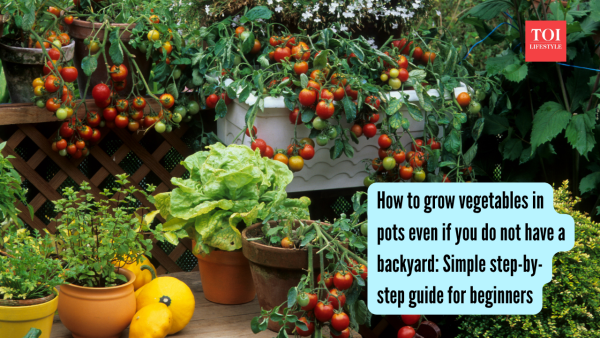
Keep proper sunlight in check
Not every vegetable needs blazing sun all day. Leafy and root crops like lettuce, cabbage, and mustard greens grow well in indirect sunlight. But if you're growing anything for its fruit, like tomatoes, peppers, or green beans, plan on 6 to 8 hours of direct sun daily, according to Oregon State University Extension horticulturist Brooke Edmunds.
Choose the right container
Almost anything with good drainage works well, like pots, bushel baskets, metal drums, fabric grow bags, wooden boxes, even a clean, rinsed-out bleach jug with the top cut off.
The container size also must suit the veggies you grow in it. Ten-inch pots suit herbs and green onions, while deep-rooted plants like tomatoes, peppers, and eggplant need at least five-gallon containers. Whatever container is chosen, drill drainage holes near the base and raise it slightly off the ground.
Use quality soil
Skip the garden soil for this one. It's too heavy for containers and tends to hold onto moisture longer than roots can handle. Instead, go for a high-quality potting mix or composted soil from a nursery. It's lighter, drains better, and is generally sterile, which lowers the risk of disease.
Sow and water the plants correctly
Start from seed or grafts, but make sure to moisten the soil first so it's damp without being soggy, and ensure no water is squeezing out of it. Container soil dries out quickly, especially in full sun, so daily watering is often necessary. Water when the top layer feels dry, and keep going until it runs out through the drainage holes.
Add fertilizers regularly
Containers don't hold nutrients the way garden beds do, so plants need feeding more often. A water-soluble, all-purpose fertilizer applied every three to four days at half strength works well, or use a dry fertilizer every three weeks if you'd rather not measure that often. Compost, aged manure, and rock phosphate are also good organic alternatives if you are avoiding synthetic options.