Energy harvesting and deployment have dominated discussions at the start of the 2026 Formula 1 season as the constraints of the new power units became evident. However, after regulatory adjustments during the fourth round in Miami and a stretch of circuits with ample braking zones—where energy recovery was less critical—the topic briefly faded from prominence.
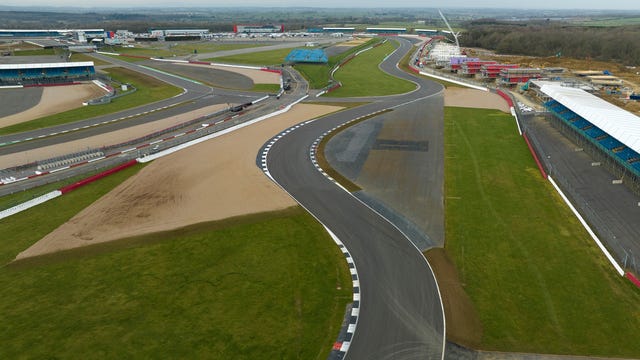
Now, the issue has resurfaced at Silverstone ahead of this weekend’s British Grand Prix. Traditionally known for its high speeds and drivers pushing their machines to the limit, the iconic circuit is expected to feel quite different this year. Once drivers clear the tight opening section, they face a long stretch from Turn 8 to Turn 15—better known as Woodcote to Stowe—where minimal braking means limited opportunities for energy regeneration.
This challenge was not unexpected. Along with Monza, Silverstone has long been recognised as one of the toughest circuits for the 2026-spec power units. As a result, drivers have been testing it extensively in simulators over recent seasons. Max Verstappen admitted he found it laughably strange the first time he tried it virtually. Speaking on Thursday before turning his first real laps in the RB22 on Friday, he shared his frank thoughts.
"I don’t want to sound overly negative," said the Red Bull driver. "Of course, I’ve been in contact with FOM and the FIA. Everyone’s doing their best. But with the way we generate power now, this track layout simply doesn’t suit the system because of the continuous high-speed running. You’ve got long straights and fast corners with barely any braking, so you can’t recharge enough. When you rely only on the internal combustion engine, you just don’t have the power. So, in many areas around the lap, you end up slowing down a lot, because the layout doesn’t fit the current engine formula. It’s really that simple.”
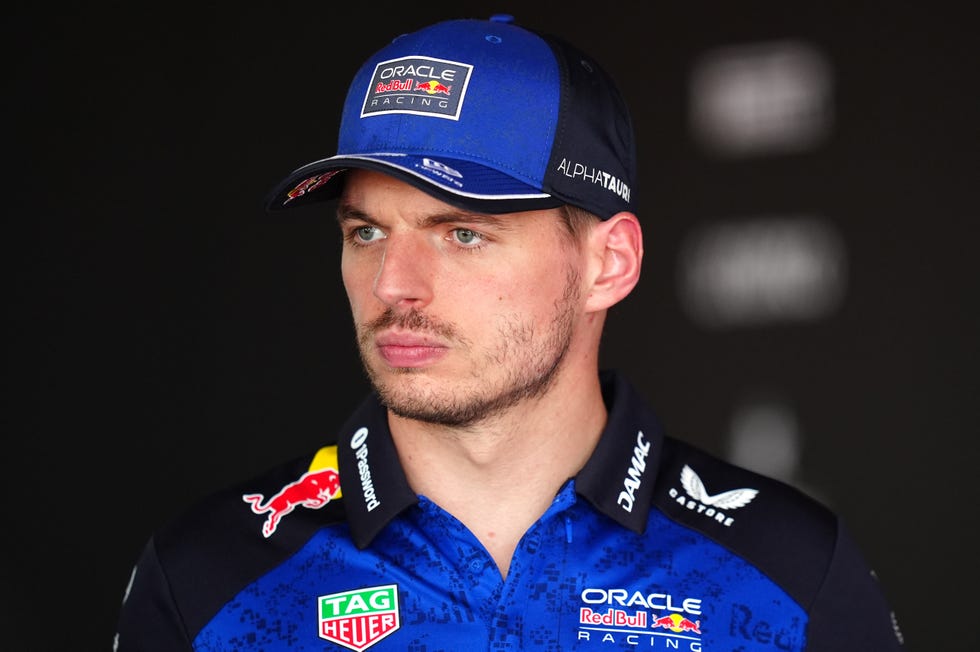
Verstappen emphasised that it’s not only the straights causing issues. The sweeping, high-speed corners—once Silverstone’s defining test—have now become liabilities. “Of course, we go to tracks with long straights like Austria last week,” he explained. “But there, at least, you have braking zones to recover some energy and use it again. Here, that’s hardly possible. So yes, some corners feel completely different from last year. It’s easier to drive a lap, but at the same time, it’s frustrating because every input counts a lot more. It’s probably not the most exciting, unfortunately.”
Drivers expressed disappointment at losing that unique challenge, particularly through the famous Maggotts and Becketts complex. “There aren’t really many high-speed corners left in F1,” said Alex Albon. “You arrive so slowly now that the speeds are much lower. You’d think Silverstone is a high-speed circuit, but if you look at corner speeds, it’s now more of a medium-speed track. Once you’re through Turn 6 and 7, with almost no braking until Turn 15, the battery drains quickly, and you struggle from there. It’s a very different sensation this weekend compared to what we normally feel here. Silverstone has always been special, but it feels less special when you lose that sense of high-speed flow.”
Albon’s feelings were echoed by several others across the F1 paddock.
Charles Leclerc, speaking to Road & Track, added, “I think most of us feel a bit sad looking at the speed traces and trying the circuit in the simulator. These used to be the tracks where bravery in qualifying made a difference—you’d attack high-speed corners with full power and play on the limit. Now, those high-speed corners feel more like medium-speed ones because of the clipping. I have an idea of what to expect, but I’m quite sure it won’t feel as special as before.”
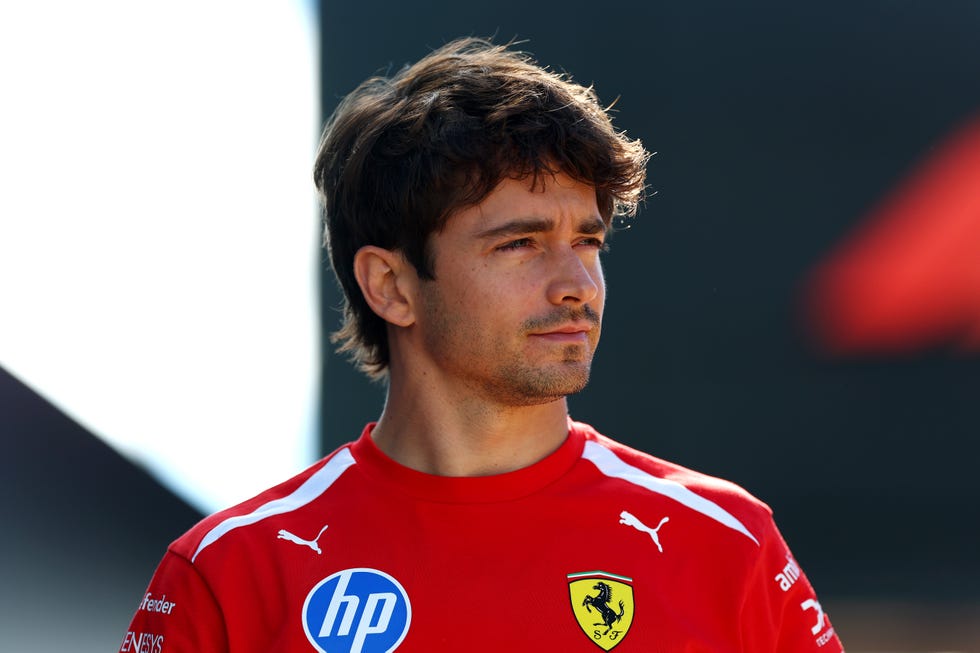
Haas driver Oliver Bearman also lamented the changes: “A lot of the tracks that had the most character in the previous generation—the fast, flowing ones—now feel unrewarding to drive. That’s tough to accept. Maggotts and Becketts used to be one of the bravest sections of the entire year, but now it’s basically one corner. You’re going so slow before it that it doesn’t even feel like a proper corner anymore. That’s hard to take.”
However, Austrian GP winner George Russell offered a more optimistic perspective. The Mercedes driver suggested that while the driving experience may have changed, fans might still enjoy the spectacle. “I think Silverstone will be fantastic!” he said with a grin. “With these regulations, we knew some tracks would be more challenging than others for the drivers. But with six hundred thousand fans here, I don’t think many will worry about energy management.”
Russell added, “On the flip side, tracks that are tougher for energy recovery—like Melbourne or China—have actually produced better racing this year than in the past. So, while qualifying laps might be slower, the races could be more exciting and unpredictable. That’s the positive way to look at it.”