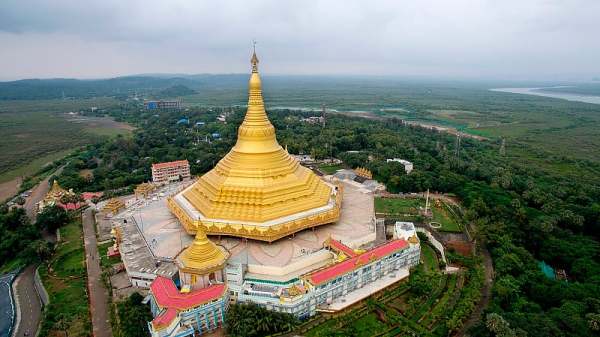
Inaugurated in 2009, the pagoda was built as a tribute to Gautama Buddha and to spread the practice of Vipassana meditation, an ancient technique of self-observation taught by Buddha over 2,500 years ago. The monument serves as a centre for meditation, learning, and peace, attracting visitors from across India and around the world. It is built on donated land on a peninsula.
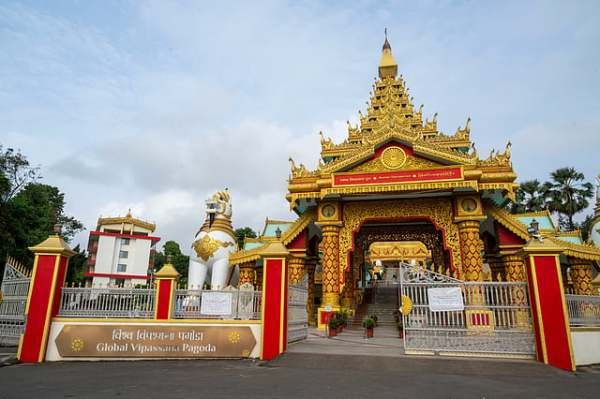
Mumbai: At first glance, its golden dome and striking architecture may remind visitors of the famous pagodas of Thailand or Myanmar. However, this magnificent structure is located much closer to home. The Global Vipassana Pagoda, situated near Gorai in Mumbai, is one of India's most remarkable spiritual and architectural landmarks. It is the world's largest meditation centre, with the capacity to seat around 8,000 Vipassana meditators.
About Global Vipassana Pagoda
Inaugurated in 2009, the pagoda was built as a tribute to Gautama Buddha and to spread the practice of Vipassana meditation, an ancient technique of self-observation taught by Buddha over 2,500 years ago. The monument serves as a centre for meditation, learning, and peace, attracting visitors from across India and around the world. It is built on donated land on a peninsula between the Gorai Creek and the Arabian Sea. The pagoda was built to serve as a monument of peace and harmony. The Global Vipassana Pagoda has been built out of gratitude to Sayagyi U Ba Khin (1899–1971), a Vipassana teacher and the first Accountant-General of Independent Burma, who was instrumental in Vipassana returning to India, the country of its origin.
Massive central dome