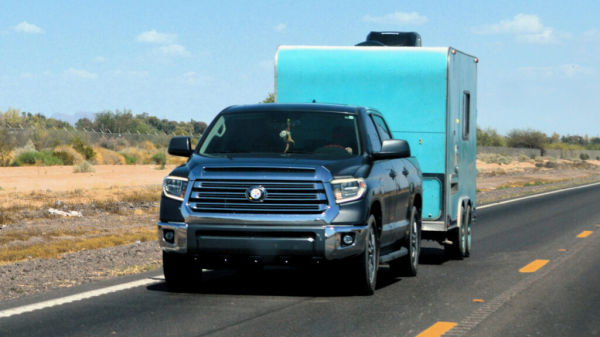
Following posted speed limits can help keep you safe on U.S. highways, especially if you’re towing a trailer. When it comes to just how fast you can legally go while towing, however, this is a standard that is not mandated or enforced by the federal government. Instead, speed limits while towing are set by states individually and vary from one state to the next.
For example, California law restricts passenger vehicles to 55 mph on highways when towing a trailer. Meanwhile, the state of Illinois sets a maximum speed of 60 mph for vehicles towing another vehicle. This applies to urban areas, even if passenger vehicles are permitted to go faster. Michigan law, on the other hand, once restricted vehicles towing trailers to 55 mph but changed the law to allow tow vehicles to travel the posted limit.
Some states don’t set towing speed limits at all, while others specifically mention towing in their traffic laws. This includes Oregon, which does address lane usage for towing vehicles in state statues. If you are unsure about what speed limit to follow while towing, the best move is to follow the speed limit unless a towing speed limit is posted. If you’re unsure of your local towing laws, you can contact your state Department of Transportation, or visit its website.
How to stay safe while towing on the highway
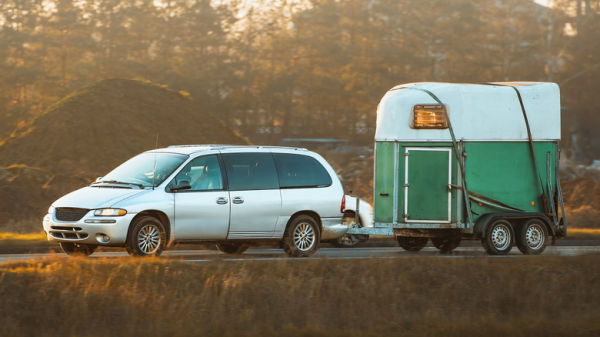
Even if your state allows you to travel at the posted speed limit while towing, it’s a good idea to take caution and watch how fast you’re going. AAA recommends driving under the speed limit when possible, preferably around 10 mph less than the posted limit. That’s because the added weight you’re pulling can change how your vehicle behaves, including how it steers and breaks. Reducing your speed could give you more time to react in case something goes wrong.
Safely towing a trailer or camper also means slowing down while driving under challenging conditions. Roadwork, potholes, and uneven pavement can all negatively impact not just the trailer, but your vehicle as well. Bad weather is another good reason to take it easy, as rain, ice, and snow can create slick conditions that reduce traction and increase the risk of sliding. Traveling at a safe speed can help you maintain better control and respond more effectively to those conditions.
Lastly it’s important to take your time around sharp corners. Leave some extra room between your vehicle and the one in front of you, making smart lane changes without being in too much of a hurry. Otherwise, your trailer could sway and make your vehicle less stable. Before you head out, know the 110-20 rule for towing and confirm that the trailer and its equipment are in good working order.