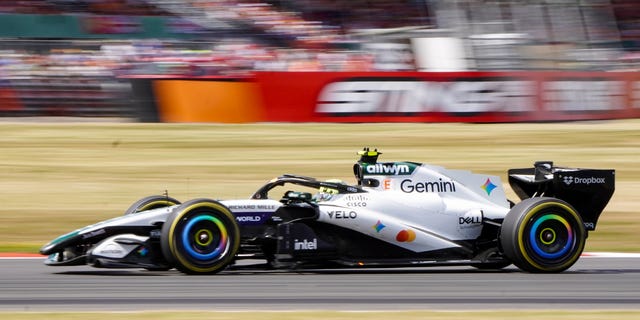
Formula 1 has always been as much about the aerodynamic development race among teams as it is about the on-track duels between drivers, and that dynamic is more evident than ever this season. Mercedes has generally managed to stay ahead of its competitors, consistently finding additional speed whenever others seem poised to catch up. Recently, however, Ferrari has taken the lead in the chase—performing strongly enough to claim two victories when Mercedes faltered—while Red Bull and McLaren have been trailing behind.
The FIA’s list of aerodynamic updates released every Friday before each race weekend clearly shows that all teams are bringing new components as frequently as possible, at a faster rate than ever before. The only exception is Aston Martin, where Adrian Newey and his team have concentrated their efforts on a single major upgrade package for the Hungarian Grand Prix. It’s an impressive feat considering that all developments must comply with aerodynamic testing restrictions that limit wind tunnel usage, while also being produced and delivered swiftly under the cost cap. This situation demands efficient resource management—something the leading teams excel at, which explains why they remain at the top.
The fascinating part is that performance gains now depend more on introducing new components rather than fine-tuning setups, unlike the earlier ground-effect era when teams could extract more speed by optimizing ride heights and other setup parameters. McLaren team principal Andrea Stella provided a detailed explanation at Silverstone about how things are shaping up for 2026 and why his team has fallen behind its main rivals in the development race.
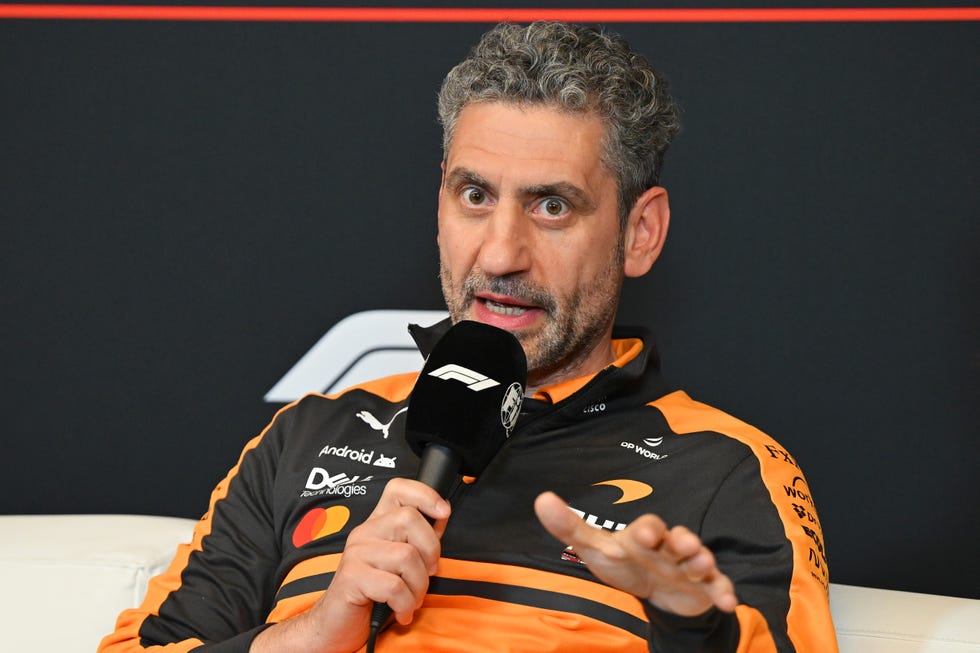
“Unlike the previous regulations, the pattern of competitiveness here is quite repeatable,” explained the Italian. “It’s quite consistent, largely independent of the track layout. At the moment, you have Ferrari and Mercedes ahead, followed by Red Bull and McLaren. So, it’s not particularly sensitive to circuit layout, corner type, or setup, which is the second consideration. Last year, if you managed to run as close to the ground as possible without porpoising or while managing stiffness, you gained downforce and could elevate the car’s performance category. This year, it’s much harder to achieve any advantage through setup because the cars are less sensitive to ride heights than before.”
In the 2026 season, performance is all about introducing as many new components as possible and maximizing downforce. In recent years, McLaren has excelled at integrating new parts effectively and unlocking extra performance, but this year the challenge has been tougher. “The main battleground is the developments themselves,” Stella said. “Every top-four team bringing upgrades has managed to gain at least two to three tenths of a second per major update. The second key area is the aerodynamic concepts that are not yet fully developed.”
At the start of this season, teams pursued different approaches and areas of focus. Over time, they’ve learned what works and what doesn’t—both from their own cars and from observing rivals—and that knowledge has fed back into their research and development programmes. Stella openly admits that McLaren didn’t get everything right with the MCL40’s initial development and is now shifting towards new concepts.
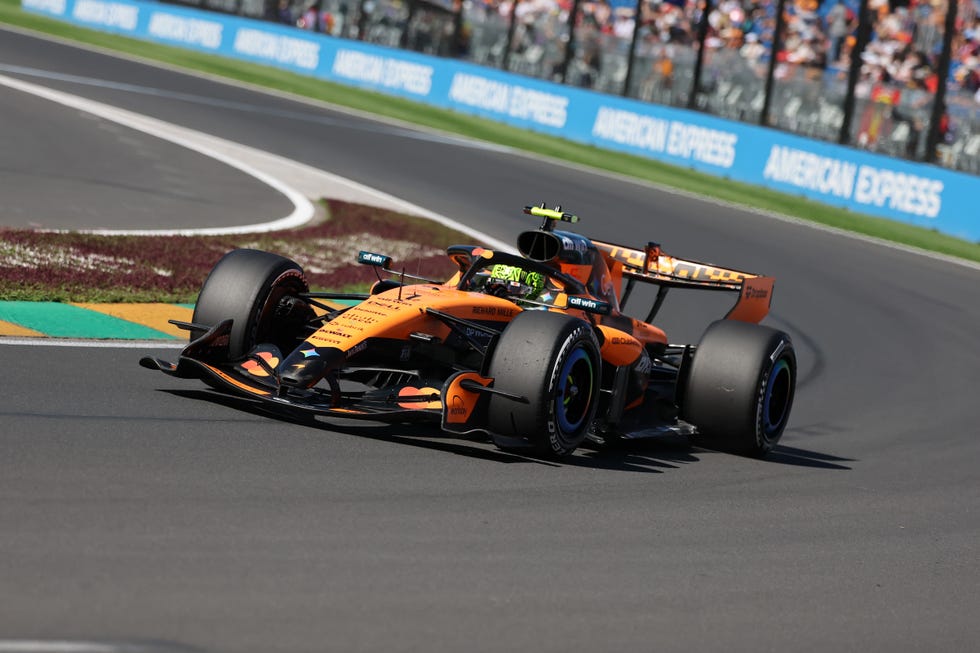
Why did the team miss the mark initially? One key factor was that, as constructors’ world champions during the 2025 research phase and into early 2026, McLaren faced the strictest FIA aerodynamic testing restrictions, with proportionally less wind tunnel time than other teams. Compounding this, McLaren was locked in a fierce title fight with Max Verstappen and Red Bull until the final race of the previous season, while Mercedes and Ferrari were not in contention and therefore could devote more attention to developing their new cars.
“Even if we didn’t bring big upgrades, we had to keep focusing technically on the MCL39,” said Stella. “We needed to make sure we maximized performance at every race because Verstappen’s challenge was becoming increasingly serious. During the MCL40’s development, we pursued some conceptual directions that, as we’ve learned more about the 2026 regulations, we are now reconsidering.”
In simpler terms: McLaren’s initial direction wasn’t ideal, other teams had stronger concepts, and after detailed analysis, the team is now taking an alternative approach expected to yield better results. “Our technical assessment of why we’re not as competitive as we’d like is that some of the paths we took in the car’s initial design need revising,” Stella continued. “After studying other cars and revisiting which concepts to pursue, we’ve realised there are areas where we must rethink our approach and then begin iterating from there.”
The results of this renewed research have been moving through McLaren’s design and manufacturing pipeline at Woking. The process takes several months, especially given the focus on cost considerations. The first updates reflecting this new direction are expected to appear at the Hungaroring, the final race before the summer break. “We now have a clear development direction,” Stella said. “But in some areas of the car, it took a couple of months to bring those ideas to life. We should see the first results of this approach in Hungary, followed by more upgrades throughout the rest of the season.”
Only time will tell if these changes help McLaren’s Papaya-coloured cars return to the front of the grid—but Mercedes and the rest of the field will certainly continue to push forward as well.