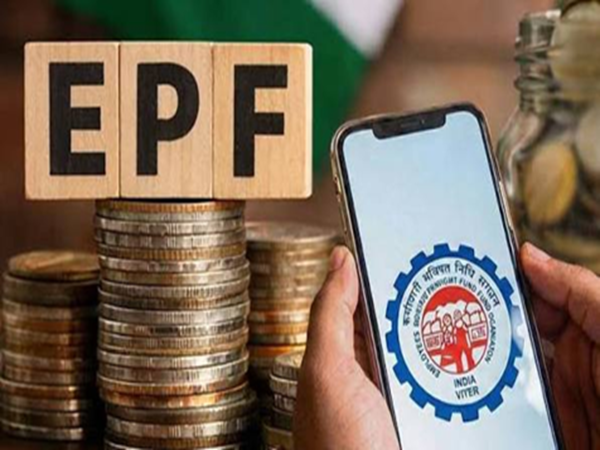
EPF Pension Eligibility Rules and Criteria: There is a common misconception among salaried individuals that if contributions are being made from their salary to the EPF (Employees' Provident Fund), they automatically become entitled to a monthly pension after retirement. However, this is not entirely true.
Although EPF and EPS are interconnected, they are distinct schemes with different rules. The monthly pension received after retirement is provided under the Employees' Pension Scheme (EPS), not the EPF. Let us understand which PF account holders are eligible for a post-retirement pension and the conditions involved.
1. How is the pension fund accumulated?
When you are employed by a company, 12% of your basic salary plus Dearness Allowance (Basic + DA) is deposited into your EPF account. Your company contributes an equal amount (12%). However, this 12% contribution from the company is split into two parts:
8.33% portion: This is deposited directly into your EPS (pension) account.
3.67% portion: This goes into your EPF account.
In essence, the entire fund for your monthly pension is built from this 8.33% portion contributed by the company.
2. The most crucial condition for receiving a pension: 10 years of service
Not every PF subscriber is eligible for a pension. According to EPS rules, an employee must complete at least 10 years of eligible service to qualify for the monthly pension.
You become eligible for a regular monthly pension after retirement only if your total employment tenure—across one or more companies—amounts to 10 years or more.
When switching jobs, ensure you transfer your old EPF and EPS accounts to your new account to maintain continuity of service. Failure to do so could lead to complications in calculating your total service period.
3. At what age does the pension begin?
Age 58: The standard age for the commencement of the pension under the EPS scheme is set at 58 years. Employees who have completed 10 years of service become eligible for the full pension upon crossing the age of 58.
Early Pension: Under specific rules, an employee may choose to claim the pension after attaining the age of 50. However, a pension availed before the age of 58 is termed a 'reduced pension,' as a certain percentage is deducted for each year of early withdrawal.
4. How much pension will you receive? It depends on two factors
The amount of your monthly post-retirement pension depends primarily on two key factors:
Pensionable Salary: The average salary drawn during the final months of your employment.
Pensionable Service: The total number of years you have contributed to the EPS.
The longer your tenure of employment, the higher your monthly pension amount will be.
Keep checking your EPS account regularly
Most employees tend to monitor only their EPF account balance while overlooking their EPS passbook or service history. To avoid any complications or claim rejections at the time of retirement, it is crucial to periodically verify your total service duration and EPS contributions. If there are any discrepancies regarding your employment tenure, rectify them while still employed to ensure the smooth processing of your pension application later.
Disclaimer: This content has been sourced and edited from Money Control. While we have made modifications for clarity and presentation, the original content belongs to its respective authors and website. We do not claim ownership of the content.