Monsoon usually means a break from the summer heat, and along with it comes the yearly wave of skincare advice telling you what to add, switch or start using. This year is a little different. Showers have arrived early in several parts of the country, humidity has stayed high, and skin is having to deal with more than just a change of season. In weather like this, what you avoid doing matters just as much as what you do. Sticky, unpredictable conditions can quickly turn skin oily, dehydrated, congested or sensitive if the wrong habits creep in.
Malini Adapureddy, Founder and CEO of Deconstruct Skincare, believes monsoon skincare isn't really about building a whole new routine. "It's about steering clear of habits that end up stressing the skin without you realising it."
She says, "Humidity changes how your skin behaves. Instead of constantly adding products or following every skincare trend, focus on understanding what your skin actually needs during this season. Often, avoiding a few common mistakes can make a bigger difference than adding another product to your routine." Here are a few skincare mistakes worth avoiding this monsoon.
 1. Don't wash your face every time it feels oily
Humidity naturally ramps up sweat and sebum production, so skin can feel sticky far quicker than it normally would. The instinct is to wash it off again and again, but over-cleansing wears down the skin's protective barrier. That often leaves skin feeling tight and irritated, and in some cases it responds by producing even more oil.
2. Don't skip moisturiser because your skin feels greasy
One of the biggest misconceptions during monsoon is that oily skin doesn't need moisturiser. But sweat isn't the same thing as hydration. Between the rain, the humidity and time spent in air-conditioned rooms, skin can still end up dehydrated even while it looks shiny. Skipping moisturiser weakens the skin barrier, and skin sometimes reacts by producing even more oil to compensate. A lightweight, non-comedogenic moisturiser can keep skin hydrated without that heavy or sticky feeling.
3. Don't judge skincare only by ingredient percentages
People today pay much closer attention to ingredients like vitamin C, niacinamide and salicylic acid than they used to. That awareness is useful, but picking a product purely because it has the highest listed percentage of an ingredient can be misleading.
"People often assume that a higher percentage automatically means a better product. In reality, how an ingredient is formulated and delivered into the skin can be just as important as the ingredient itself," says Adapureddy.
4. Don't overload your skin with multiple active ingredients
Monsoon breakouts and congestion tend to push people towards layering exfoliating acids, vitamin C, retinoids and other actives all at once, hoping to fix everything in one go.
More isn't always better. Combining too many strong ingredients can overwhelm skin that's already more reactive because of the humidity. A routine built around one or two well-chosen actives usually works better than a crowded one made up of whatever happens to be trending.
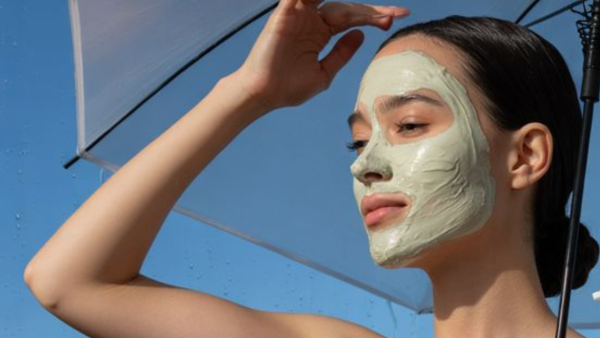 5. Don't assume cloudy skies mean sunscreen is optional
Clouds don't stop UV rays, they simply prevent the visible rays of light from getting across. Therefore, skin can burn or tan even on a cloudy day. According to research, clouds can allow up to 80% of UV rays to reach your skin. Thus, even if the monsoon clouds are grey in colour and you do not see sunshine, you can still be exposed to UVA and UVB rays, which lead to tanning, pigmentation and early signs of skin ageing.
6. Don't keep switching products every week
The moment skin starts feeling oily or congested, it's tempting to reach for something new right away. But switching products constantly makes it hard to tell what's actually working, and it can end up leaving skin more irritated than before.
"Healthy skin is built through consistency, not constant experimentation. A simple routine with well-formulated products that suit your skin is often more effective than an elaborate routine that changes every few weeks," says Adapureddy.
As intense monsoon showers continue across much of the country, skincare should be less about chasing every new trend and more about paying attention to how your skin actually responds to humidity. Lightweight formulations, a few targeted ingredients and thoughtfully designed delivery methods, combined with a simple and consistent routine, can go a long way in keeping skin balanced through the season. This monsoon, the focus shouldn't only be on what to add to your shelf. Sometimes, the healthiest skin comes from knowing what to leave out.