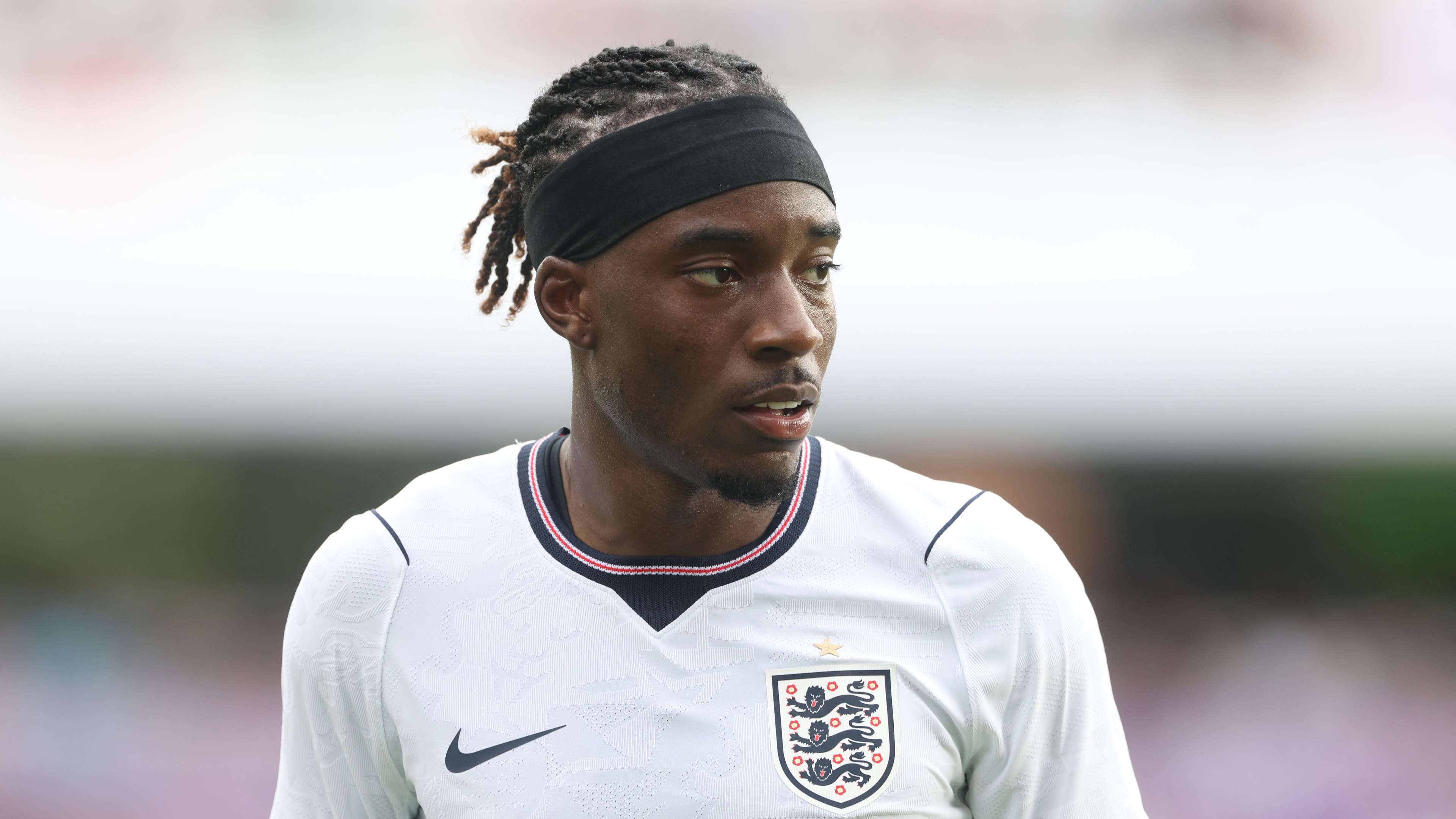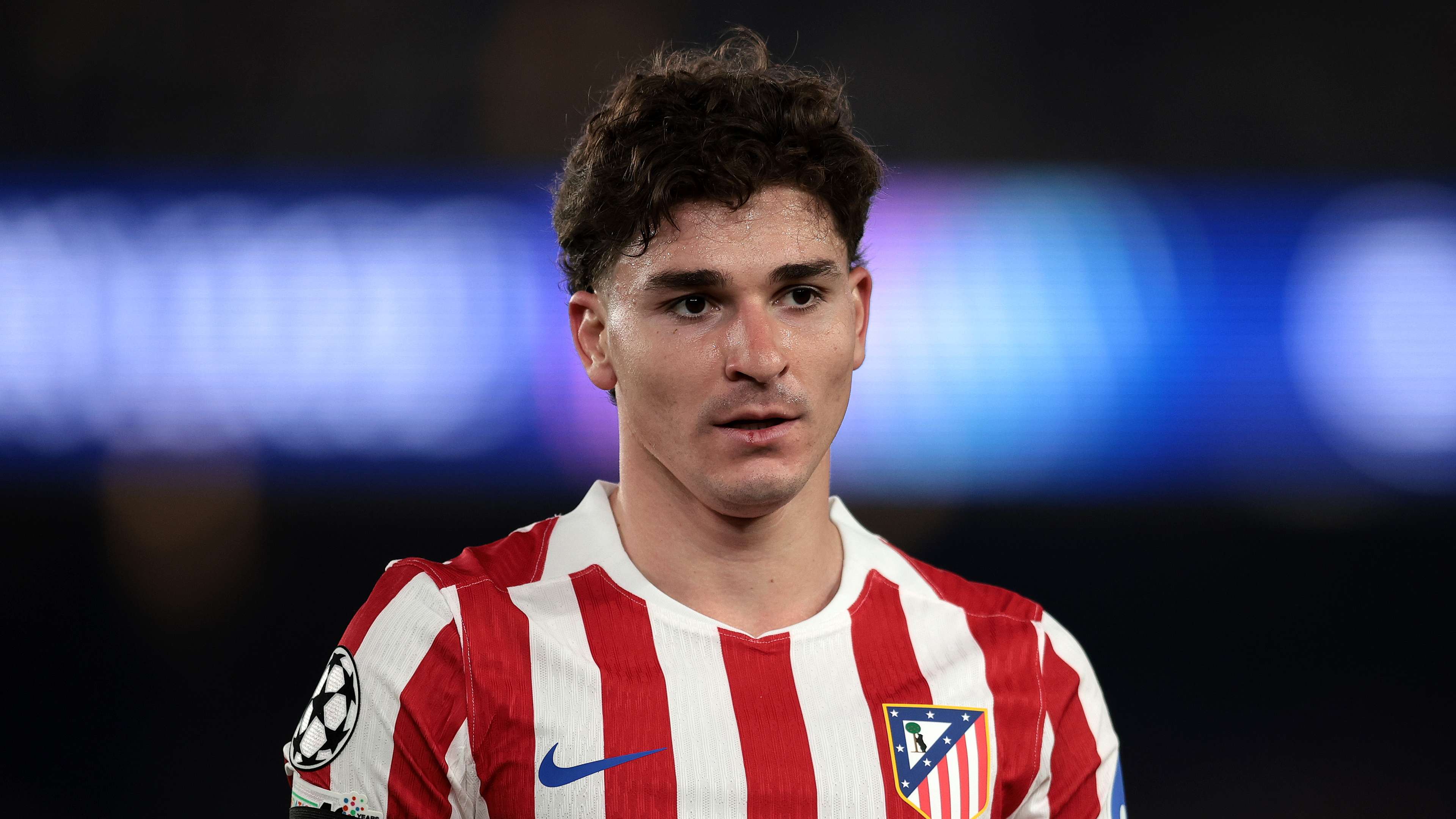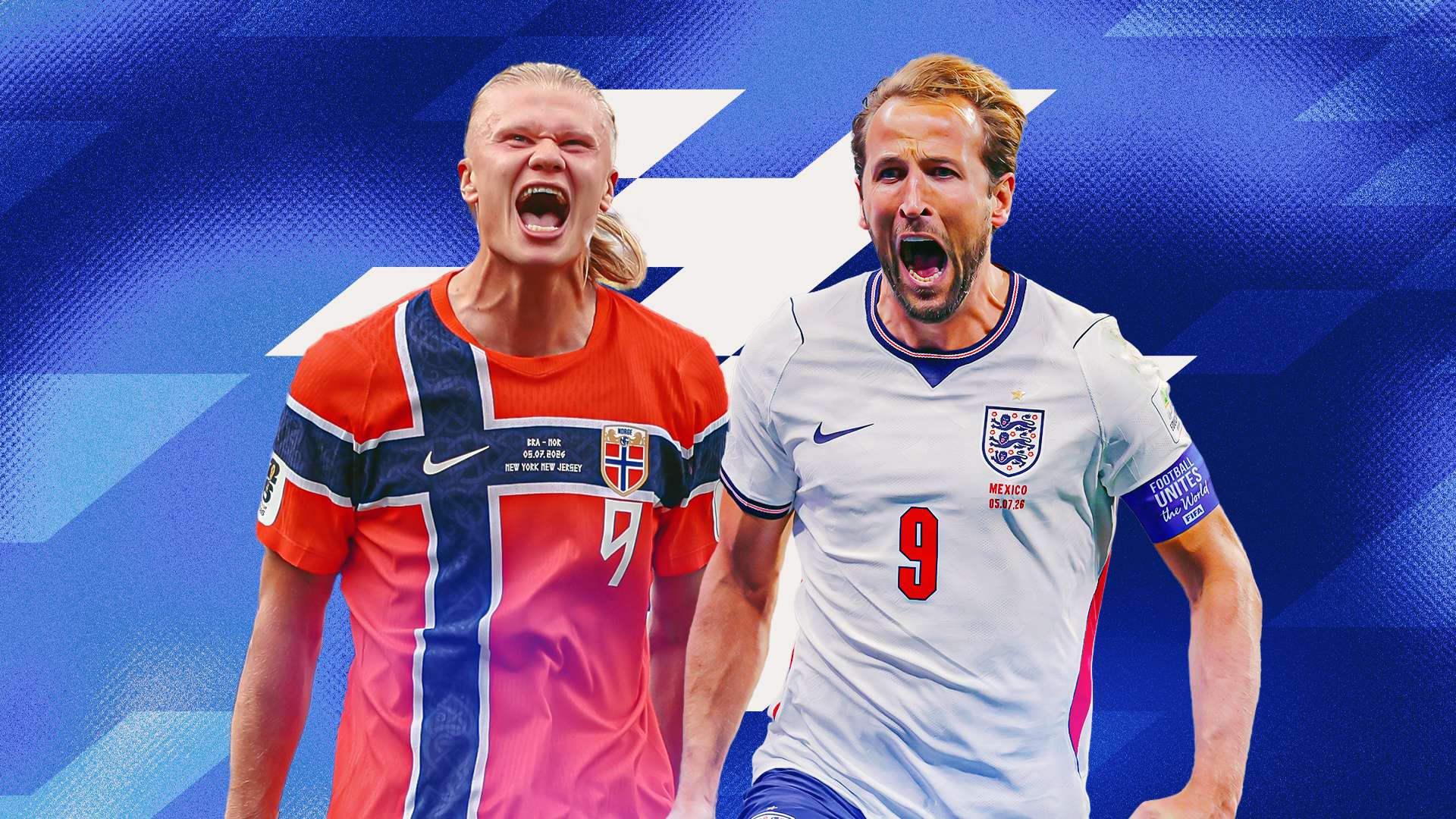
The excitement is palpable ahead of England’s World Cup quarter-final clash against Norway on Saturday evening, a fixture brimming with captivating storylines. England boast star talent across several positions, while Norway’s strength lies in their unity and their system built around one standout player. England have celebrated glory at the Azteca, while Norway famously eliminated Brazil. England have lifted the World Cup; Norway still aspire to do so.
However, the duel that captures universal attention is the one between the two centre-forwards leading their respective lines. Few would argue against Erling Haaland and Harry Kane being the finest No. 9s in world football today (and for clarity, Kylian Mbappe is not being considered a true No. 9 here). At present, the gap between these two and the rest is substantial.
Despite sharing the same position, their approaches to the game are worlds apart. Haaland thrives on minimal touches yet is ruthlessly efficient with every opportunity. He’s a born finisher inside the penalty area. Kane, on the other hand, roams deeper, excelling as a passer and playmaker—someone who could easily slot in as a No. 10 if required.
Their personalities contrast just as distinctly. Kane exudes composure and professionalism, while Haaland’s energy feels raw and unrefined. A decade separates them in age, and Haaland’s exuberance makes him arguably the more entertaining of the two. But the real question remains—who is better? It’s not an easy one to answer, but here’s an attempt to evaluate them category by category.
Finishing: Harry Kane
This category is perhaps the hardest to judge. As previously mentioned, Kane and Haaland are fundamentally different forwards. Kane’s game is multifaceted, while Haaland’s is laser-focused on goal scoring. By definition, Haaland should have the edge as a pure finisher—his job is to convert chances within the box, and he does so at an elite level.
Yet, Kane is the more complete finisher. He can score in any fashion—there’s no trademark ‘Kane goal,’ and that’s a compliment. He’s equally adept with both feet, strong in the air, and capable of striking from range. Haaland might be more instinctive, but for variety and versatility in finishing, Kane edges this one.
Heading: Erling Haaland
Haaland’s first goal for Norway against Brazil seemed inevitable long before it actually happened. As the ball moved down the left flank, Haaland loitered near the spot, appearing disengaged. But as Andreas Schjelderup drove the ball to the byline, Haaland exploded into action.
He took three short strides and soared above Gabriel—one of football’s top aerial defenders—to nod home decisively. That succinctly encapsulates Haaland’s aerial prowess. Standing six-foot-five, combining immense athleticism with impeccable timing, he dominates aerial duels. Since his arrival at Manchester City, no player in England has scored more headed goals. Kane is solid in the air, but Haaland is on another level.
Speed: Erling Haaland
Football rarely offers players the chance to reach absolute top speed, as the sport relies more on sharp bursts than sustained sprints. Kane’s pace has often been cited as his main weakness (though exaggerated by some), whereas Haaland’s acceleration is extraordinary.
In 2025, Haaland recorded the fastest sprint in the Champions League, hitting 22.9 miles per hour—faster than both Achraf Hakimi and Kylian Mbappe. That level of speed from a player of his size is remarkable, further setting him apart from his peers.
Movement: Erling Haaland
Considering his stature, Haaland’s ability to move so subtly is exceptional. He appears relaxed and almost detached for much of a game, but his timing is devastating. When he makes his run, defenders are usually too late to react.
It’s a bit harsh on Kane, who performs a different role altogether. Kane constantly seeks involvement in build-up play, while Haaland excels in exploiting space off the ball. And when you average a goal every 13 touches, your movement without the ball is nothing short of masterful.
All-round game: Harry Kane
When Roy Keane once called Erling Haaland a “League Two player,” it was likely a provocation following a subdued Manchester City performance. Though Haaland’s involvement can appear limited, he’s far more capable with the ball than that remark implied—he simply doesn’t need to dominate possession to be effective.
Kane, by contrast, is a No. 10 in a No. 9’s body. The dream tactical scenario might see him playing behind a more mobile striker. Until then, he remains a deep-lying forward who orchestrates play. Yes, it can be frustrating to see him drop too deep for England, and it was surprising to watch him defending his own box while leading 3–2 against Croatia. But his football intelligence and versatility allow him to excel in multiple roles.
Leadership: Harry Kane
This one is straightforward. Kane has captained England nearly a hundred times and previously served as vice-captain at Tottenham Hotspur under Hugo Lloris. He has credited Wayne Rooney and David Beckham as major influences, and recently, an Oxfordshire MP even proposed a motion to award him a knighthood.
Kane’s leadership extends beyond tactics—his pre-match huddles, post-match interviews, and professionalism set the tone for his team. He embodies the modern captain’s role both on and off the pitch. Haaland, on the other hand, has yet to exhibit that same leadership presence. While Pep Guardiola has included him in Manchester City’s ‘leadership group,’ he hasn’t yet reached Kane’s stature in that respect. There’s still time for him to grow into that role.