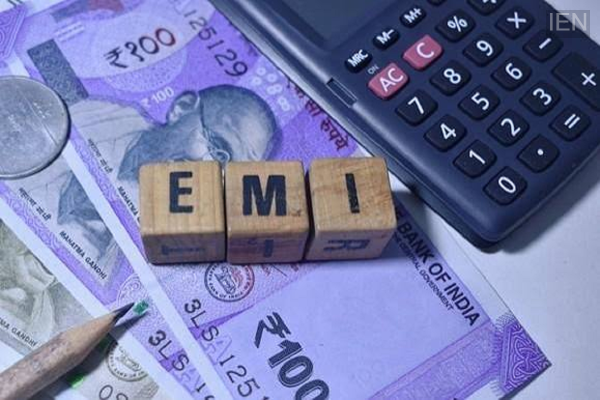
Loan EMI Bounce: Can a bank deactivate your mobile SIM card if a loan installment bounces? Find out what rights the bank has—and doesn't have—in such a situation.
Bank Loan EMI: If you have taken a loan from a bank or a Non-Banking Financial Company (NBFC) and, for some reason, failed to pay the EMI on time, can the bank have your mobile SIM blocked? Discover the truth and what you absolutely need to know.
If a person fails to pay their EMI, the bank can resort to legal measures to recover the outstanding amount, but deactivating the mobile number does not fall within its rights.
Can phone services ever be restricted?
If you fail to pay your EMI on time, the bank cannot deactivate your mobile number or SIM card, but there can certainly be other negative consequences.
First, your credit score could be damaged. This means it might become difficult to obtain a home loan, car loan, personal loan, or credit card from a bank in the future.
For late EMI payments, the bank may charge penalties, late fees, and additional interest, resulting in a higher total repayment amount.
If EMIs remain unpaid for several months, the bank may initiate legal action in accordance with regulations.
If you have taken a loan against collateral—such as a house, vehicle, or other asset—the bank can take action regarding that asset as well.
Can phone services be shut down?
This can only happen if you purchased the mobile phone itself on an EMI plan. According to RBI regulations, the bank cannot take immediate action. Restrictions on certain phone features can only be imposed after EMIs have gone unpaid for at least 90 days and the due process has been completed. However, essential services such as calls, internet access, and emergency (SOS) functions cannot be completely shut down.
What do experts advise?
Financial experts suggest that if you are facing difficulties in paying your EMI for any reason, it is better to contact the bank immediately rather than hiding the issue. Many banks also offer facilities such as loan restructuring, EMI adjustments, or additional time for repayment when needed. Engaging in a timely dialogue can help prevent the situation from worsening and avoid the need for legal disputes.