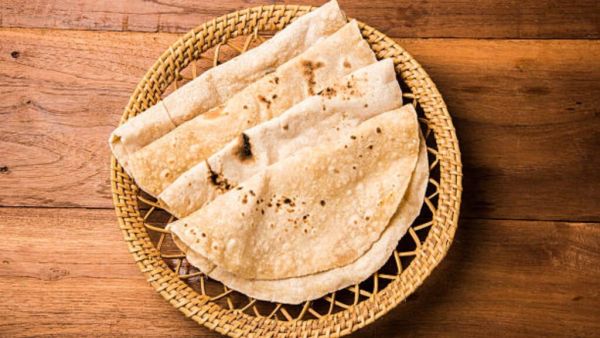
Chapati is an important part of the daily diet in Indian cuisine. Hot, soft chapatis enhance the flavor of the meal. However, chapatis get hard soon after making them, especially when kept for tiffin or travel, this problem is more noticeable. The main reasons behind this can be wrong method of kneading the dough, too hot or cold pan, over roasting the chapati and not storing it properly. Learn how chapatis can stay soft and fresh for hours by following a few simple kitchen tips.
Health Tips: Eat a handful of jaggery and chickpeas every day; The body will get ‘these’ tremendous benefits
Chapati dough should be neither too hard nor too loose. Add water as needed and knead the dough. Adding a spoonful of curd, a little milk or a little oil to it if desired helps to make the chapati softer.
After kneading the dough, keep it covered for 20 to 30 minutes. This keeps the moisture in the dough and allows the gluten to develop properly, making the chapatis easier to roll and stay softer for longer.
Start frying the chapatis only after the tawa is well heated. Roasting chapatis on too high a flame can dry them out, while roasting chapatis on low flame for too long can make them hard. Roasting chapatis on medium heat makes them soft and puffy.
Applying light ghee or butter on the chapatti after removing it from the tawa will keep the chapati moist. This keeps the chapati soft for longer. Those on a low-fat diet should use this option as needed.
After the chapatis are ready, wrap them in a clean cotton cloth and keep them in a hotcase or a container with a lid. If left in the open, the moisture in them decreases and they harden quickly.
If you follow simple tips like kneading the dough properly, roasting the poli at the right temperature and storing it properly, chapatis can stay soft, fresh and tasty for many hours.
Health Tips: Sleeping with Earbuds all night? This habit can be dangerous for the ears