Cellular vs. Wi-Fi Calling: Battery consumption increases when the phone's network signal is weak, forcing the device to work harder to search for a connection.
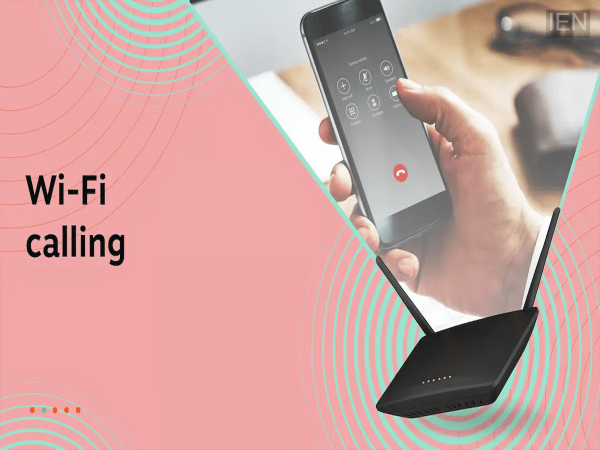
Cellular vs. Wi-Fi Calling: With advancing technology, smartphones now come with numerous sophisticated features. Most modern smartphones include a Wi-Fi calling feature that activates whenever the device connects to a Wi-Fi network. Opinions vary on which method is more battery-efficient; some believe Wi-Fi calling saves battery, while others think cellular calling consumes less. Let’s find out which one actually uses less battery.
Does cellular calling save battery?
Regarding cellular calling, if you are in an area with full network signal strength, it typically consumes less battery. However, consumption increases when the signal is weak, as the device has to work harder to search for and maintain a connection to the network.
What is Wi-Fi calling?
Wi-Fi calling is a smartphone feature that routes calls over a Wi-Fi network instead of a mobile tower. It helps users achieve better call quality in locations—such as homes, offices, or inside buildings—where mobile network signals are weak. However, this feature requires a connection to a nearby Wi-Fi network.
When should you use Wi-Fi calling?
You should use this feature when your phone has no signal or the signal is frequently dropping or weak. During Wi-Fi calling, the phone does not need to constantly attempt to connect to a mobile tower, allowing the call to proceed more smoothly.
However, if the Wi-Fi network itself is weak or frequently disconnects, battery consumption may increase because the phone constantly switches between the Wi-Fi and cellular networks.
How to save phone battery
Always use a strong Wi-Fi or mobile network connection. If the Wi-Fi signal is strong, you should keep the Wi-Fi Calling feature enabled.
It is better to turn off Wi-Fi Calling if the Wi-Fi signal is weak.
Keep your phone's software and carrier settings updated.
Avoid keeping Wi-Fi or mobile data on continuously when not in use.