With England’s latest World Cup campaign ending in disappointment, the Football Association’s attention has now turned towards the European Championship set to take place in two years. Here, we look at five key players who should form the backbone of the team heading into Euro 2028.
Whether Thomas Tuchel remains in charge or a new manager takes over, England will be determined to end their 62-year wait for a major trophy. The 2026 World Cup appeared to be the final opportunity for several veterans in the squad. Here’s a look at the players around whom the next generation should be built, especially with Euro 2028 being hosted on home soil.
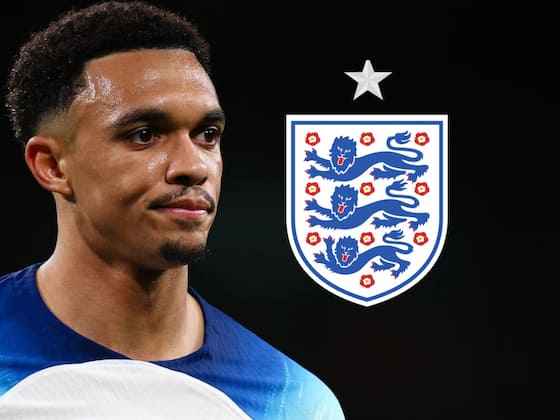
Two years ago, many were already questioning how England’s best passer of the ball, Trent Alexander-Arnold, could be omitted from the national squad. A player of his calibre would walk into most top international teams, yet successive England managers have struggled to find a role that maximises his strengths.
While his defensive shortcomings are often overstated, his creativity and pinpoint delivery make him a unique asset. One wonders how much Harry Kane and Jude Bellingham could have benefited from his perfectly measured crosses during the World Cup.
Even if Alexander-Arnold is not among the world’s elite defenders, Jürgen Klopp managed to unlock his full potential at Liverpool. If Klopp could, why couldn’t Gareth Southgate? And why shouldn’t Tuchel be able to? Deploying Reece James in midfield could provide balance, allowing him to cover the spaces Alexander-Arnold vacates when moving forward.
Whatever tactical solution the next England manager devises, leaving a player of such technical quality out of the squad seems baffling—especially for a side often criticised for lacking creativity. His absence was felt keenly in the fixture against a stubborn Ghana team. Getting Alexander-Arnold back into the side should be a top priority ahead of the Euros.
Jude Bellingham remains an obvious cornerstone for England’s future. While Morgan Rogers may be comparable in raw ability, it is Bellingham’s knack for stepping up in crucial moments that makes him England’s most valuable player—even more influential than Kane.
At 25 by the time of Euro 2028, Bellingham will still be short of his peak years. The key challenge for England’s coaching staff will be to extract the best from him. Like Wayne Rooney before him, Bellingham thrives on involvement, often dropping deep to help defensively. However, his most productive season at Real Madrid came when he was pushed higher up the pitch as a number 10.
To maximise his impact, England should reduce his defensive duties, perhaps even experimenting with him as a striker given the lack of established options. Kane will be 34 at the next tournament, and the pool of younger strikers remains thin. Elevating Bellingham’s role further upfield could unleash his full potential while allowing someone like Rogers to operate just behind him.
Then there’s Anderson, a player who has steadily risen in prominence over recent years. His performances at the 2026 World Cup proved he belongs among football’s elite. A £120 million transfer to Manchester City will see him surrounded by world-class teammates, a move that should further refine his game. Under the guidance of Rodri, Anderson is expected to evolve into an even more complete midfielder, bringing valuable experience of high-pressure matches and trophy-winning campaigns back to the national setup.
Encouragingly, this England generation finally boasts midfielders whose skill sets complement one another. The Anderson-Rice partnership looks set to anchor the team for years to come. However, the Argentina match highlighted that relying on both for every minute can lead to fatigue. Declan Rice appeared drained, while Adam Wharton missed out on selection and Kobbie Mainoo was surprisingly left unused on the bench.
Against Argentina, England desperately needed a player capable of absorbing pressure in midfield and giving their defence a breather. Mainoo, despite still developing and having endured a half-season exile under Ruben Amorim, possesses those very qualities. With two more years of growth, the 21-year-old should be ready to make a major impact for the national team.
Finally, England’s right-wing options remain a question mark. At this stage, it’s uncertain whether teenage prospects Ngumoha or Max Dowman will emerge as the real deal, but the World Cup exposed a clear shortage in that position. Bukayo Saka has struggled to hit his peak form of late, while Noni Madueke’s future in the squad looks uncertain. This could be the perfect moment to place faith in a fearless young talent.
The key will be providing these youngsters with opportunities to shine without burdening them with excessive responsibility. Both Ngumoha and Dowman will still be teenagers by the time of Euro 2028, and while they shouldn’t be expected to carry the team to glory, their fearless approach—driving directly at defenders—could inject much-needed energy into England’s attack. Should either begin performing consistently in the Premier League, they would merit serious consideration for a starting role at the Euros.