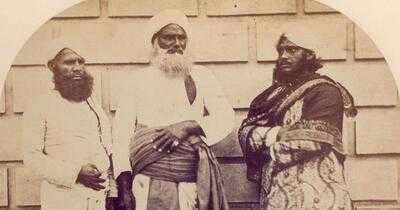
In late 1908, British diplomat Walter Ralph Durrie Beckett was facing an unusual diplomatic problem in Bangkok.
A senior Siamese minister was pressing the British Legation to do something about a growing number of crimes they believed were being committed by Pathan (Pashtun) migrants from British India. Yet, under the terms of the Bowring Treaty of 1855, Siam could not arrest British subjects and prosecute them through its own courts. Instead, jurisdiction over both civil and criminal cases involving British subjects in Siam rested with the British Consul.
The dispute sparked a stream of correspondence that sheds light not only on migration from South Asia to South East Asia, but also on the workings of Britain’s system of extraterritorial privilege in Siam.
Today, Thailand’s Pashtun community – known as Khaek Pathans or Pathan guests – numbers in the thousands and is well integrated into Thai society. But official records from the early 20th century reveal a period when colonial administrators viewed Pathan migrants as a growing security concern and debated restrictive measures to control their movement.
Early migrationAccording to Beckett, Pathans had been virtually unknown in Siam until the late 1880s. “The first-comers appeared to have filtered through from the Federated Malay States, where they had found temporary employment...
Read more