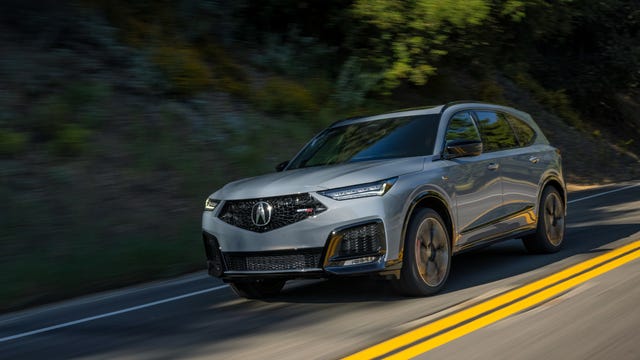
According to a recent report from Automotive News, Acura is gearing up to take on Lexus by developing a three-row SUV that will expand its luxury lineup.
Honda’s premium division, Acura, has long been known for its comfortable and feature-rich SUVs, but it has yet to enter the full-size three-row SUV category. That seems set to change, as sources familiar with Honda’s future plans indicate that a new flagship SUV could join the Acura portfolio in 2029. Internal company documents reportedly refer to the model as the Acura XL, as mentioned by Automotive News.
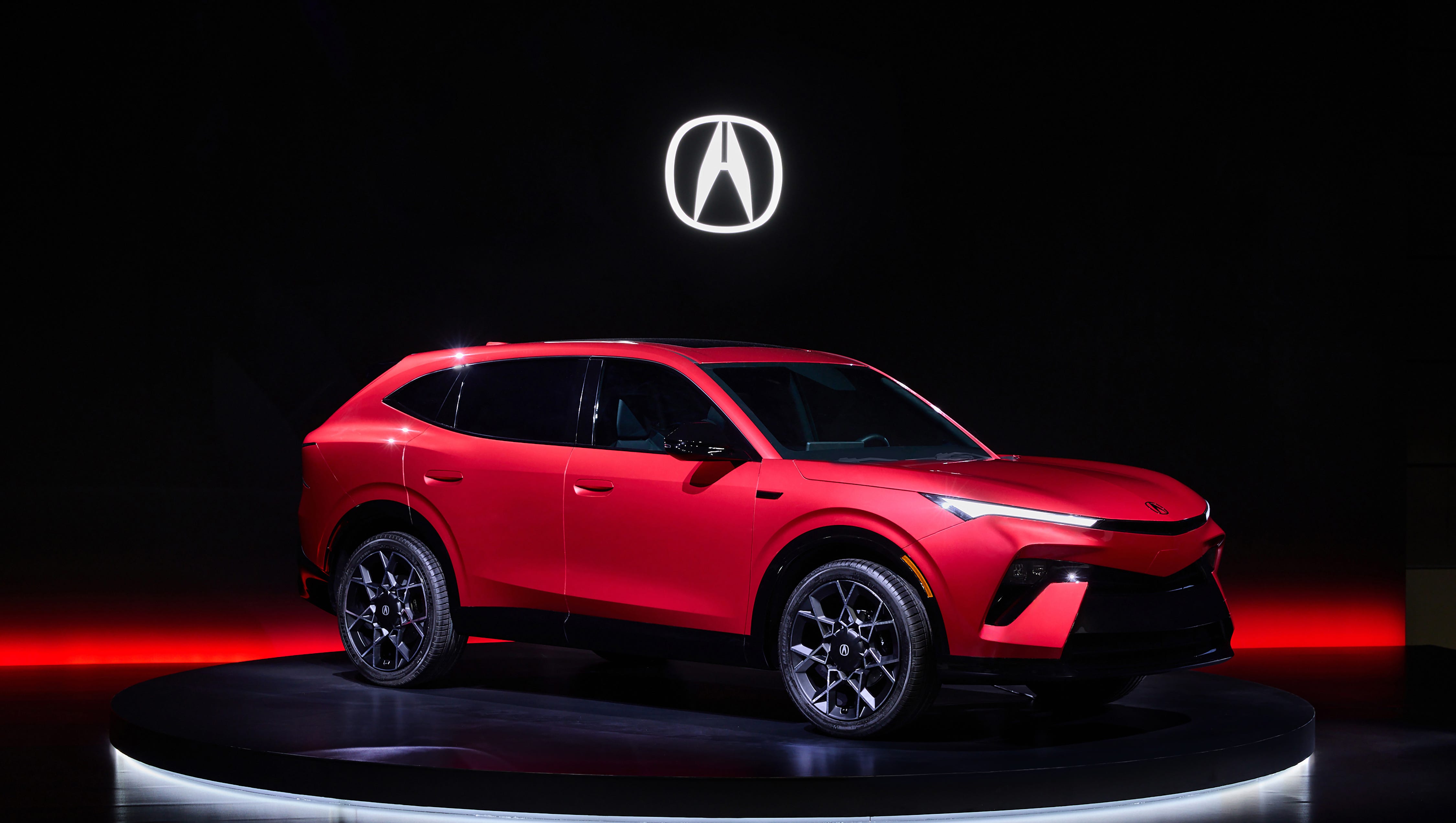
The upcoming three-row SUV is expected to feature a new large-vehicle hybrid powertrain. Production is reportedly scheduled to commence in September 2029 at Honda’s manufacturing facility in Lincoln, Alabama. The projected annual production target stands at around 40,000 units. This would position the XL in close competition with Acura’s current top-selling model, the MDX, which recorded over 41,000 units sold in 2025. Although the MDX does provide third-row seating, it lacks the expansive proportions of rivals such as the Lexus TX and Volvo XC90.
Honda’s recent strategic pivot away from fully electric vehicles has left Acura with a smaller product range, currently comprising the Integra, ADX, and MDX. With the compact RDX and all-electric ZDX crossovers being phased out, Acura appears to be in need of a fresh model to maintain its current momentum. The brand has enjoyed strong performance this year, surpassing Cadillac and Audi in sales during the first half to become the fourth-largest luxury carmaker in the United States.

Honda’s decision to introduce a luxury three-row SUV is not solely driven by internal sales goals. The large luxury crossover segment has expanded notably over the past three years, with the Lexus TX currently leading the market. Other key competitors for the Acura XL are expected to include the Mercedes-Benz GLS, BMW X7, and Audi Q9. Interestingly, Acura had once considered launching a V8-powered full-size SUV in the mid-2000s, but those plans were abandoned during the Great Recession.