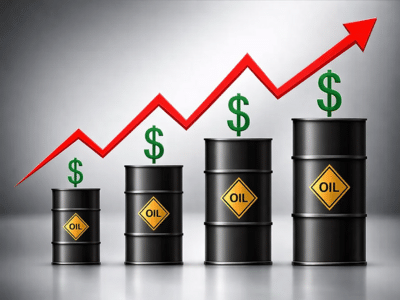
Food Oil Prices: Following the rise in petrol prices, the price of edible oil has also risen, threatening to disrupt the kitchen budget once again.
Edible oil prices rise
Food Inflation: The public was already suffering from the rise in petrol and diesel prices, but now the prices of other kitchen items are also skyrocketing. First, milk, then vegetables, and now even cooking oil has become more expensive. This includes mustard oil, peanut oil, sesame oil, crude palm oil, and cottonseed oil. This will once again disrupt the kitchen budgets of housewives.
Edible oil prices have seen a sharp rise.
Edible oil is widely used in homes, hotels, and restaurants. Demand for it increases significantly, especially during the festive season. Consequently, prices have seen a sharp increase over the past month. Last week, the rupee depreciated against the dollar, leading to a surge in imported edible oil prices.
How much has India's edible oil import bill reached?
In a letter to his members, Sanjiv Asthana, president of the Solvent Extractors Association of India (SEA), expressed concern over the rising import bill. He stated that rapid action is needed to increase oilseed production in the country, and that the oilseed revolution can no longer be postponed.
He also said that India is at a critical juncture in terms of edible oil. Last year, the country's edible oil import bill was ₹1.61 lakh crore, but this year it is expected to rise to more than ₹1.75 lakh crore.
How much did oil prices increase?
Soybean arrivals have decreased, while mustard demand has increased.
Some reports claim that soybean arrivals are rapidly declining in the markets. Last week, the arrival rate was 60,000 bags, which has now dropped to just 10 bags. Some reports also claim that mustard arrivals have decreased, but its demand in the market has increased significantly. Consequently, the price of mustard oil has now increased by 10 to 15 rupees per kg compared to soybean and palm-palmolein.