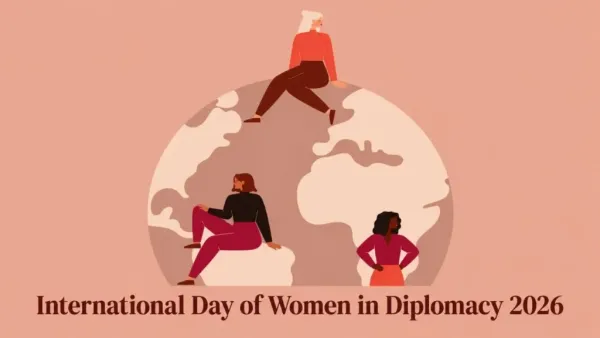
International Day of Women in Diplomacy 2026: The United Nations celebrates International Women in Diplomacy Day every year. The occasion is to celebrate the increasing participation of women in foreign ministries, embassies and international negotiations.
However, this day raises a question again and again that what should be called diplomacy and who should be recognized as a diplomatic representative?
Whenever we talk about diplomacy, a picture emerges in our mind of government representatives, formal agreements and closed-door talks. This thinking kept women away from diplomacy for years. For a long time, diplomacy was considered a male domain, but since the League of Nations, multilateral diplomacy began to expand and after the establishment of the United Nations, global forums also started opening up for representatives of non-governmental organizations and civil society.
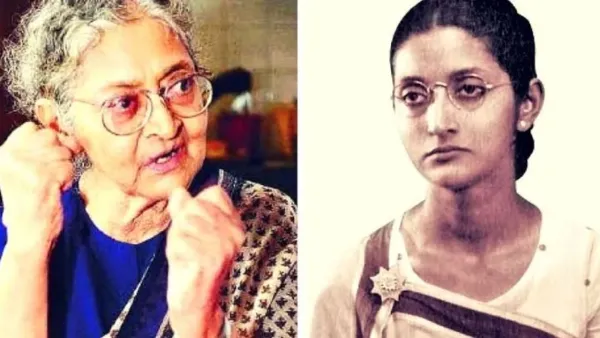
C.B. Muthamma (Photo.Social Media)
The early history of the United Nations is often presented as an entirely secular project. But this point of view is not entirely true. The Cold War (1947-1991) was not only a political conflict, but religious, moral and ideological opinions also played an important role in it. These ideologies influenced the alliances, diplomacy, development policy and soft power of many countries.
In history, the voices of religiously minded women were suppressed. historian Laurel Thatcher Ulrich There is a very famous line that “Well-behaved women rarely make history.”. Whereas historian John Scott wrote ‘sexualism’ Adhering to the notion of gender equality, it is said that gender equality is seen only in connection with secular society. Even today the debate continues regarding religion, governance and women’s participation. Be it the role of women in the Vatican or the spiritual leadership abilities of tribal women.
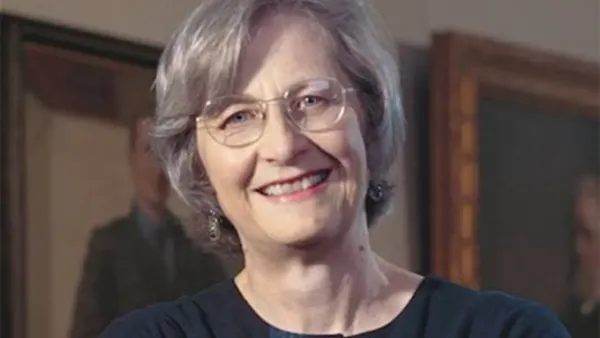
Photo.(Social Media)
There was a big change in women’s rights and social activism after World War II. The world changed rapidly after the Cold War. With the development of Europe the demand for trained people in fields such as education, health and social work increased. During this time, women began to be seen as experts on social and moral issues. Especially women associated with international Catholic organizations. He acted as a bridge between the local community and international organizations. She also served as delegate, observer, expert and chairperson of various international organizations.
To understand the role of these women, it is important to read history from a gender perspective. The only mentions of them in government and religious files have focused on the top leadership and male officials, but study of personal letters, documents, and private records shows that women made decisions, formed networks, and played an important role in influencing international policies, especially during the Cold War.
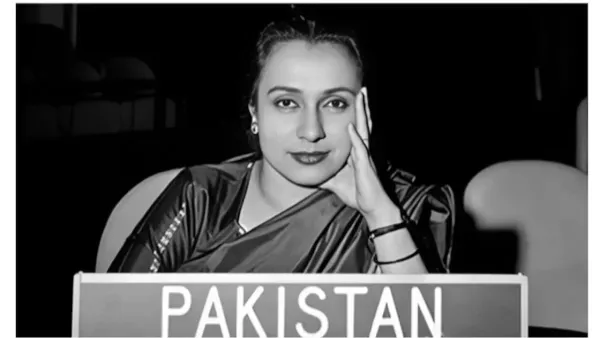
Begum Shahista (Photo.Social Media)
You will be surprised to know that common women were included as the first non-governmental representatives in the founding conference of the United Nations in San Francisco in 1945.
These include the names of prominent women such as Catharine Schaefer, Jadwiga de Roemer, Christine de Hemptin, Maria Beyers, François de Saint-Maurice, Pia Collini-Lombardi, Marga Klompe, Barbara Ward and Alba Zizzamia. These women were not mere spectators, but were playing an active role in the formation of global governance. International Women’s Diplomacy Day is not only a celebration of the achievements of women in the present, but also an opportunity to remember those women whose contributions have not been adequately acknowledged in history.