New Delhi: The chants fell silent and calm descended on Jantar Mantar on Sunday, a day after the 36-day agitation over irregularities in exams and the NEET paper leak ended with the resignation of Education Minister Dharmendra Pradhan. While CJP founder Abhijeet Dipke recovered from typhoid at home, environmentalist Sonam Wangchuk recuperated in a hospital.
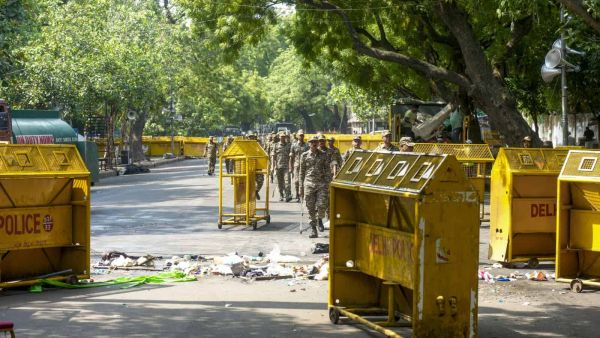
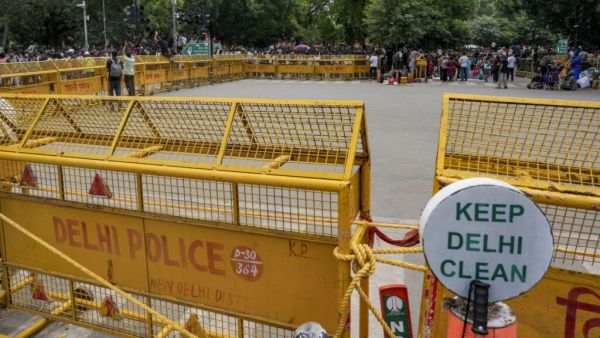
The sprawling protest site in the heart of the national capital, which had echoed with slogans, speeches and fervent activity for more than a month, wore a deserted look as the makeshift tents had disappeared, and the volunteers and supporters had dispersed, leaving behind little trace of the agitation.
The Cockroach Janta Party (CJP), which organised the protest, shared a photograph of Dipke receiving intravenous fluids and a video message in which he said he had finally slept peacefully after more than a month of relentless campaigning and uncertainty.

“It feels really good. Today, finally, I could go to sleep and wake up in the bedroom without thinking about what to do next or what will happen till evening. There is no panic,” Dipke said.
The protest, which began on June 20, intensified following police action against demonstrators on July 20 and later drew support from several student organisations and activists, including Wangchuk, who undertook a prolonged hunger strike in solidarity with the movement.
The CJP declared on Saturday evening that it was withdrawing its agitation after the government agreed to all its remaining demands, including compensation for the families of students who allegedly died by suicide following the NEET paper leak and withdrawal of FIRs against protesters.
Describing the last 36 days as “really, really difficult”, Dipke thanked supporters across the country for standing by the fledgling outfit despite scepticism over its campaign.
“I want to thank each and every supporter… the people who supported us, showed their trust in us and loved us when everybody was doubting us. Without you guys, we wouldn’t have been able to achieve this,” he said.
Dipke also apologised to supporters who had gathered at Jantar Mantar on Saturday after the protest ended, saying he could not meet them because he was suffering from typhoid and had a fever of 101 degrees.
“I have typhoid… That’s why I had to come home,” he said, thanking those who stayed at the protest site throughout the agitation.
In a conciliatory message, Dipke also thanked critics of the movement.
“The people who doubted us, criticised us or questioned us… I want to thank them as well. If you hadn’t criticised us, we wouldn’t have been able to improve,” he said.
Calling the campaign “just the beginning”, Dipke said the CJP had “a long way to go”.
Wangchuk, who joined the agitation with an indefinite fast and was later admitted to hospital after his health deteriorated, continues to recover at Medanta Hospital.
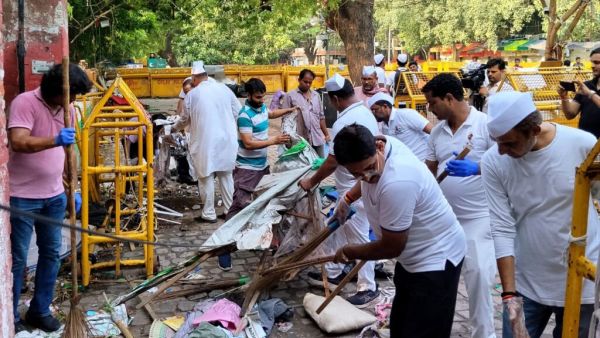
As the protest concluded, the familiar signs of a month-long agitation were being erased, with civic workers moving in to restore normalcy.
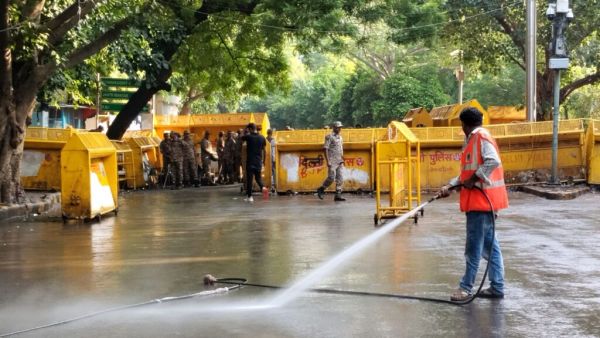
The New Delhi Municipal Council (NDMC) launched a massive round-the-clock clean-up operation at and around Jantar Mantar, deploying over 100 sanitation workers, heavy vehicles and mechanised equipment to clear nearly 60 metric tonnes of waste left behind after the protest.
Officials said around 52 metric tonnes of waste had already been removed by Sunday afternoon.
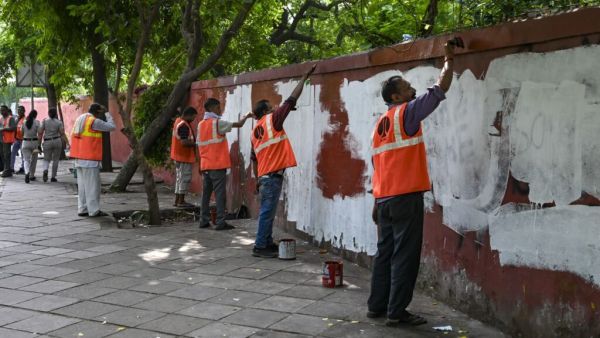
“Roads were being washed with pressure-jetting machines, while walls bearing protest slogans were repainted and damaged footpaths and curbstones repaired to restore the area after protesters dispersed,” an NDMC official said.