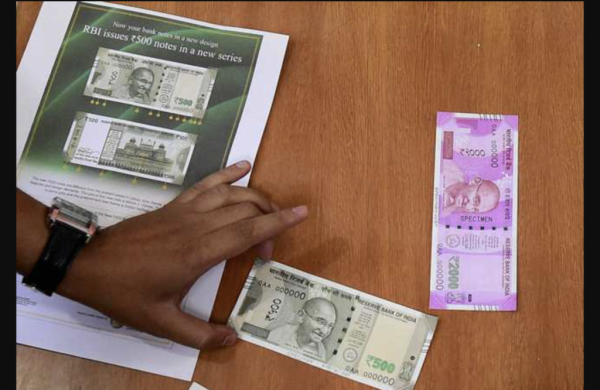
India has moved a step closer to introducing polymer (plastic) currency notes after the Central Government approved the Reserve Bank of India’s proposal to conduct field trials of ₹10 and ₹20 notes made from polymer material. The pilot project aims to evaluate how the new notes perform under India’s diverse climatic and usage conditions before any wider rollout is considered.
However, the government has clarified that there is no proposal to replace existing paper currency notesand both paper and polymer notes will continue to coexist if the trials prove successful.
Pilot To Cover Two Billion Notes
As part of the approved trial, the RBI will issue 100 crore (one billion) ₹10 notes and 100 crore (one billion) ₹20 notestaking the total number of polymer notes in the pilot to 200 crore pieces.
Together, these notes represent a total value of ₹3,000 crore and will be circulated in selected regions to study their durability, public acceptance and operational performance.
The Finance Ministry approved the proposal following a recommendation from the RBI’s Central Board.
Why Polymer Notes?
Polymer banknotes are manufactured using a durable plastic substrate instead of traditional cotton-based paper.
Compared to conventional notes, polymer currency generally lasts much longer, resists moisture and dirt, is harder to tear and offers better protection against counterfeiting through advanced security features.
Many countries, including Australia, Canada, the United Kingdom and Singapore, already use polymer banknotes because of their longer lifespan and lower replacement costs.
Paper Currency Will Continue
The government has emphasised that the field trial does not signal the end of paper currency in India.
According to the RBI, polymer notes are proposed to be issued alongside existing paper banknotesand a nationwide rollout will only be considered if the pilot delivers satisfactory results.
The trial will help assess the notes’ performance under Indian conditions before any long-term policy decision is taken.
Why ₹10 And ₹20 Notes?
The RBI has selected ₹10 and ₹20 denominations because they are among the most frequently used currency notes in daily transactions.
These low-value notes change hands rapidly and experience significant wear and tear. While they account for nearly one-fourth of all currency notes in circulation by volumethey represent only around 1.3% of the total value of currency in circulation.
Using polymer material could significantly increase their lifespan and reduce the cost of frequent replacement.
A Step Towards Modernising Currency
The pilot marks another important milestone in India’s efforts to modernise its currency management system. If the trials are successful, polymer notes could improve durability, reduce printing costs over time and strengthen security against counterfeit currency.
The RBI will evaluate the findings before deciding whether polymer notes should be introduced more widely in the future.
Summary
The Central Government has approved the RBI’s pilot project to issue 100 crore each of ₹10 and ₹20 polymer currency notes for field trials. The 200-crore-note pilot, worth ₹3,000 crore, will test the durability and effectiveness of plastic banknotes under Indian conditions. The government has clarified that there is no plan to replace paper currency, and any wider rollout will depend on the success of the trials.