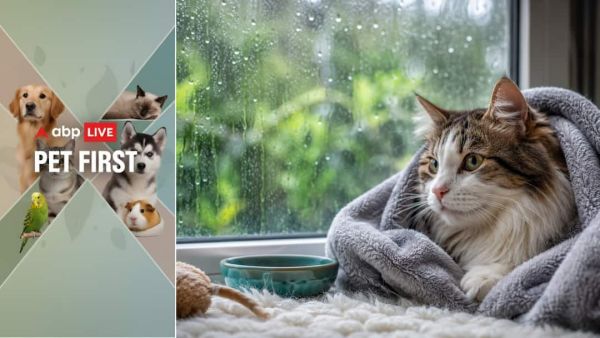
The monsoon may bring welcome relief from the heat, but it also creates the perfect conditions for fungal infections, skin irritation, and bacterial growth in pets. Cats, despite being meticulous groomers, are not immune to health problems caused by excessive humidity and damp surroundings. Moisture trapped in their fur, poorly ventilated spaces, or wet bedding can lead to skin infections, ear problems, and respiratory discomfort. As the rainy season sets in, a few simple preventive measures can go a long way in keeping your feline friend healthy, comfortable, and infection-free.
A damp environment is one of the biggest reasons fungal spores thrive. Ensure your cat's bedding, blankets, and favourite resting spots remain dry at all times. If bedding becomes wet due to humidity or accidental spills, wash and dry it thoroughly before use. Good ventilation inside your home also helps reduce moisture build-up and prevents mould growth. Clean litter boxes regularly, as damp litter can encourage bacterial growth and unpleasant odours. If possible, place your cat's bed in a warm, well-ventilated area away from damp walls or floors.
Although cats groom themselves regularly, they still need help during humid weather. Brush your cat's coat frequently to remove loose hair and improve air circulation through the fur, especially if your pet has a long coat. If your cat gets wet after exploring outdoors, gently towel-dry it immediately. Pay close attention to signs such as excessive scratching, flaky skin, hair loss, redness, unusual odours, or dark discharge from the ears. These could indicate fungal or bacterial infections that require veterinary attention. Early detection often prevents minor skin problems from becoming more serious.
A balanced, nutrient-rich diet plays an important role in maintaining healthy skin and a strong immune system. Ensure your cat receives adequate protein, essential fatty acids, vitamins, and fresh drinking water every day. Proper hydration also supports overall health during humid weather. Avoid allowing your cat to roam in muddy, stagnant, or waterlogged areas where harmful fungi and bacteria may be present. After returning indoors, wipe its paws with a clean, dry cloth to remove dirt and moisture. Schedule regular veterinary check-ups, particularly if your cat has experienced fungal infections in the past or has sensitive skin. With a clean environment, consistent grooming, and a nutritious diet, most dampness-related health issues can be prevented. A little extra care during the rainy season will help your cat stay comfortable, active, and free from fungal infections throughout the monsoon.