Nepal Violence Spreads Beyond Sunsari; Curfews, Army Deployment As Death Toll Rises
Sagarika Chakraborty July 30, 2026 10:41 PM
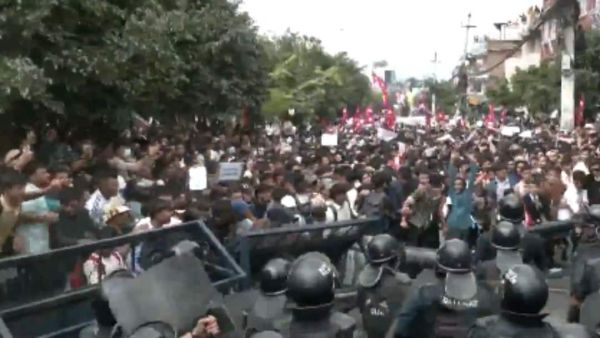
Communal violence that erupted in Nepal's Sunsari district has spread to several cities across the country, triggering curfews, heightened security and army deployment in multiple areas.
Over the past four days, incidents of violence, arson, vandalism, stone-pelting and clashes with police have been reported from different parts of Nepal, raising concerns over the law and order situation.
Authorities have imposed prohibitory orders in Birgunj in Nepal's Pasra district following the unrest. The restrictions came after one person was killed and several others were injured in the violence in Sunsari district.
Death Toll Rises To Three
Three people have died in the violence so far, while dozens have been injured in separate incidents, including gunshot wounds.
Those injured include protesters, local residents and security personnel. Public and private property has also suffered extensive damage, with dozens of vehicles and shops set on fire.
Curfews Imposed, Army Deployed
As the violence spread, the local administration imposed curfews in several towns, including Inarwa, Janakpur, Siraha, Golbazar and Lahan.
Police, the Armed Police Force and the Nepal Army were deployed in sensitive areas. The army also carried out flag marches, while helicopters were used for aerial surveillance to monitor roads and other sensitive locations.
Internet surveillance was increased in several cities, additional security personnel were deployed and residents were urged to remain indoors.
President Ramchandra Poudel Appeals For Peace
Amid the escalating violence, Nepal President Ramchandra Poudel expressed deep concern over the situation in Sunsari district and surrounding areas.
He appealed to people to preserve the social, religious and ethnic harmony, tolerance, mutual understanding, brotherhood and national unity that has existed for centuries.
How The Violence Began
According to eyewitnesses and local residents, the violence began during the Bolbam Yatra in Dewanganj after a dispute broke out between Hindu devotees and members of the local Muslim community.
Local allegations claimed that tensions had already been building over the removal of a flag hoisted on public temple land during Muharram. Despite repeated requests, the flag was allegedly not removed, leading to a confrontation between the two sides.
It is reported that on Sunday night, when the Kanwar Yatra (Bolbam) began from the same ground, the Kanwariyas were suddenly attacked.
The situation escalated into violence, with stone-pelting and clashes prompting police to use force to control the crowd.
Questions Raised Over Law And Order
As the unrest spread to other cities, questions have been raised over the functioning of the police administration.
In several locations, mobs reportedly overwhelmed the police, forcing the Nepal Army to intervene.
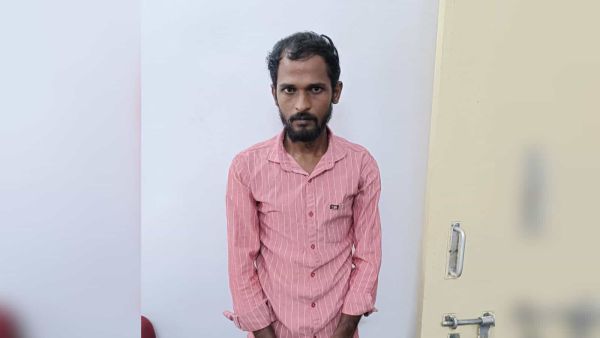
Security agencies said those responsible for the violence are being identified and action is being taken. However, the opposition and local residents alleged that the situation deteriorated because effective action was not taken during the initial stages.
Opposition Targets Government
The government led by Prime Minister Balen Shah has come under criticism from the opposition over its handling of the situation.
The opposition alleged that the government has confined itself to meetings, reviews and statements instead of addressing the situation on the ground.
The government has continued to hold high-level meetings while appealing for peace and promising strict action against those involved in the violence.
Normal Life Disrupted
Four days of unrest have severely affected daily life across the affected areas.
Markets remain shut, public transport has been disrupted and educational institutions have been closed. Thousands of people have remained confined to their homes amid fears of further violence.
Business activity has also come to a standstill, affecting the local economy, as authorities continue efforts to restore normalcy.